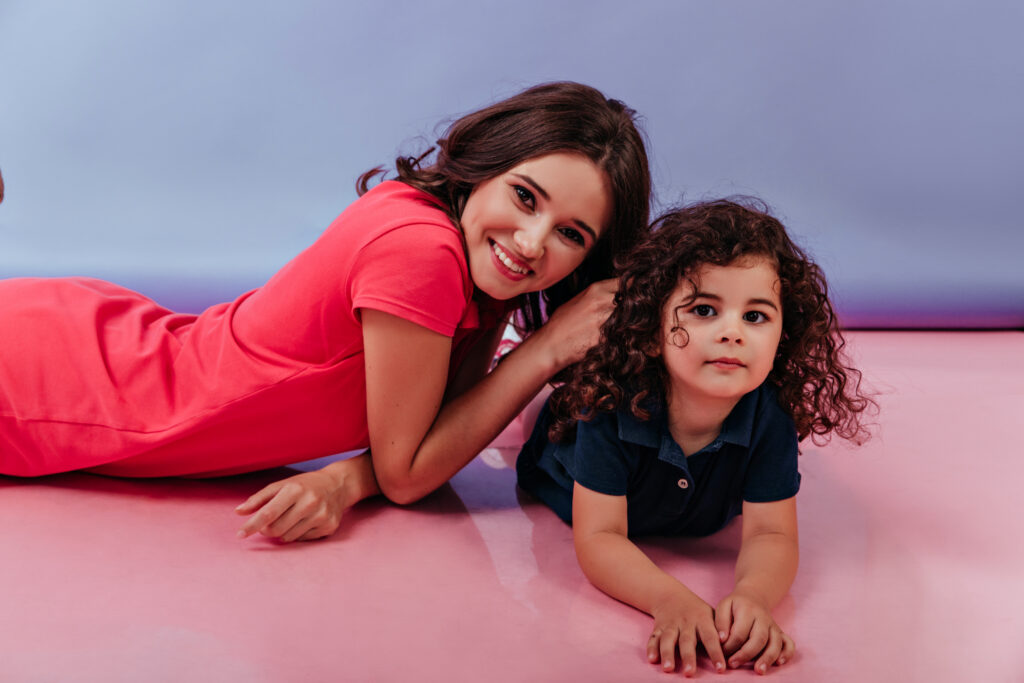

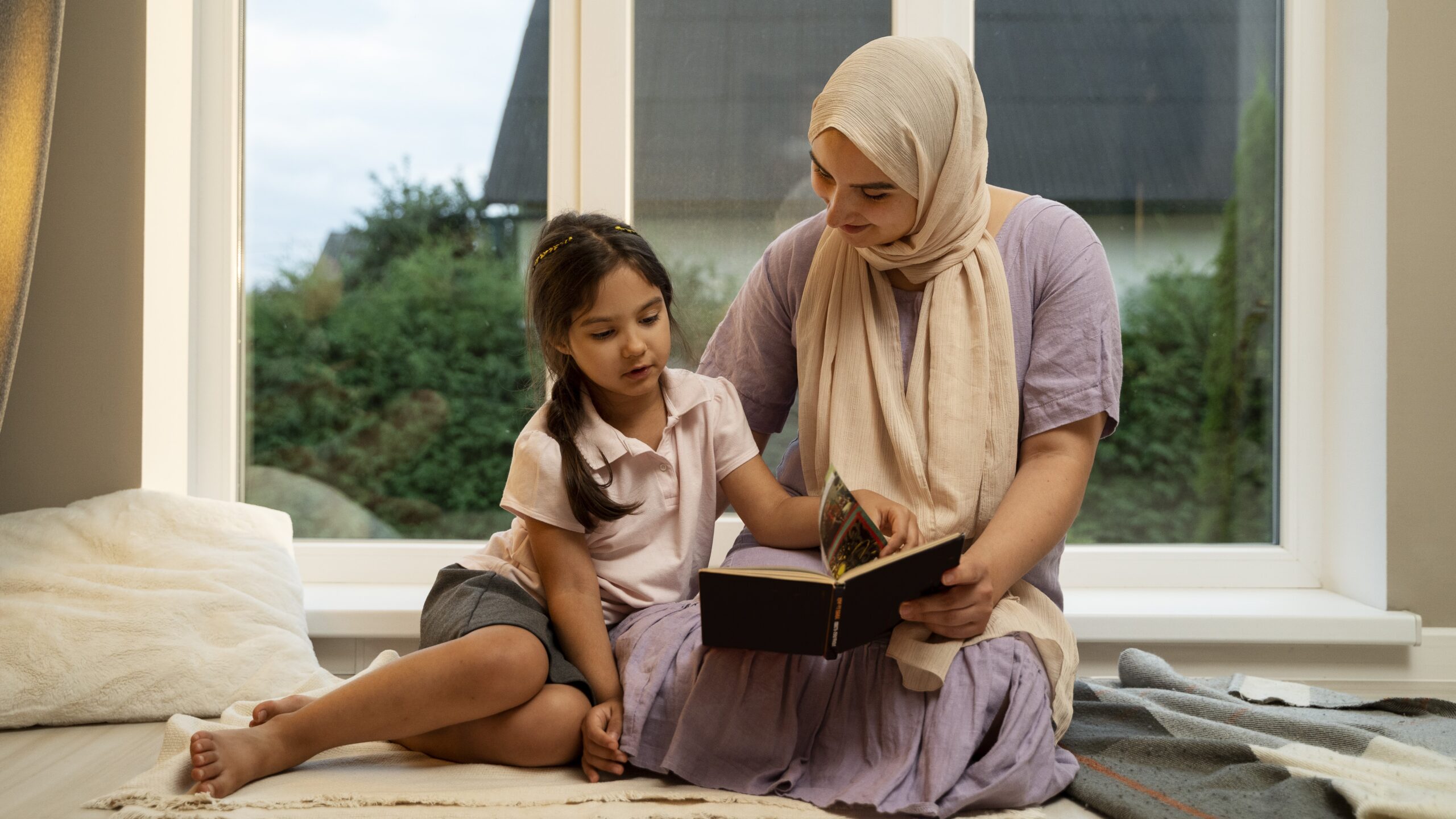
Getting children to listen can sometimes feel like an uphill battle, especially in households where respect for elders is deeply ingrained, such as in Moroccan culture. Effective communication is key to fostering cooperation without resorting to constant reminders or discipline. Child psychologists have identified six “magic phrases” that encourage children to listen while building respect, trust, and independence.
1. “Can you help me with…?”
Instead of issuing commands, inviting children to help turns tasks into shared experiences. For instance, asking your child to help set the table or organize groceries empowers them and gives them a sense of responsibility. In Morocco, where family cooperation is highly valued, this approach not only encourages listening but also strengthens family bonds.

2. “I noticed you…”
Acknowledging positive behavior motivates children to repeat it. Saying, “I noticed you put your shoes away without being asked”, highlights attentiveness and effort rather than punishment. Moroccan parents often emphasize respect and discipline; complimenting effort aligns with cultural values while promoting positive reinforcement.
3. “I need you to…”
Framing instructions as a personal need rather than a demand can encourage compliance. For example, “I need you to turn off the lights when leaving the room” communicates responsibility without confrontation. This phrase respects a child’s autonomy while still emphasizing the importance of the task.
4. “What do you think we should do?”
Inviting children to participate in problem-solving fosters cooperation and critical thinking. Asking, “What do you think we should do about your homework schedule?” gives them a voice in decisions. In Moroccan households, where dialogue is cherished, this approach builds respect and encourages listening without conflict.
5. “You have a choice…”
Offering choices empowers children and reduces resistance. For example, saying, “You can do your homework now or after a snack, which do you prefer?” allows them to feel in control while still meeting expectations. Moroccan parents who blend guidance with choice often see better cooperation and less negotiation.
Morocco Spring 2026: 7 Best Day Trips from Marrakech
Day trips from Marrakech offer the chance to explore some of Morocco's most spectacular landscapes and cultural treasures. Moreover, tourists...
Moroccan Real Estate Spring 2026: Buyer’s Guide
Real estate markets across Morocco experienced a revival in spring 2026, attracting domestic and foreign buyers. Furthermore, the sector is...
Morocco Eid al-Fitr 2026: 8 Best Festive Restaurants
Restaurants across Morocco are preparing exceptional Eid al-Fitr menus to celebrate the end of the holy month. These establishments combine...
Morocco Q1 Business 2026: 5 Post-Ramadan Strategies
The success of Moroccan companies throughout Q1 annually is determined by business strategy planning for the post-Ramadan period. Furthermore, the...
6. “Thank you for…”
Expressing gratitude reinforces desired behaviors and strengthens parent-child relationships. Simple statements like, “Thank you for helping clean your room”, validate children’s contributions. In Moroccan culture, where appreciation and politeness are emphasized, this approach nurtures mutual respect and encourages children to listen willingly.

Testimonial
“Since I started using these phrases with my children in Casablanca, I’ve noticed they respond much more positively. They feel involved and respected, and our daily routines are much smoother”, says Nour, a young mother of a hyperactive girl.
This testimonial shows that small changes in communication style can have a significant impact on how children respond to guidance, especially when culturally sensitive methods are applied.
Conclusion
Raising children who listen doesn’t require constant nagging or strict discipline. Using these six magic phrases—“Can you help me with…?”, “I noticed you…”, “I need you to…”, “What do you think we should do?”, “You have a choice…”, and “Thank you for…”—can transform parent-child interactions.
In Moroccan households, where family respect and cooperation are central, these techniques promote understanding, engagement, and harmony. Parents who integrate these phrases into daily life often experience calmer routines, better listening, and stronger family bonds.


Merci pour les conseils.
مقال متميز يقدم حلولاً عملية بعيدة عن الصراخ أو الأوامر المباشرة. إن استخدام عبارات مثل ‘هل يمكنك مساعدتي؟’ أو ‘لقد لاحظت أنك…’ يغير تماماً ديناميكية العلاقة بين الآباء والأبناء في البيت المغربي. هذه ‘الجمل السحرية’ لا تجعل الطفل يستمع فحسب، بل تبني لديه شعوراً بالمسؤولية والثقة بالنفس منذ الصغر. شكراً لمجلة ماويب على هذه النصائح التي تساهم في خلق جو من الانسجام والود داخل أسرنا.
“تحليل موفق جداً لكيفية دمج قيم الاحترام المغربية الأصيلة مع طرق التواصل الحديثة. إعطاء الطفل ‘حق الاختيار’ أو سؤاله عن ‘رأيه’ لا ينقص من هيبة الأبوين، بل يعزز الاحترام المتبادل ويقلل من حدة المقاومة لدى الأطفال. هذه المقاربة التربوية هي مفتاح تربية جيل واعي ومستقل. شهادة ‘نور’ من الدار البيضاء ملهمة وتؤكد أن التغيير البسيط في لغة الحوار يمكن أن يصنع المعجزات.
الكلمة اللطيفة أقوى من ألف أمر، فحين يشعر الطفل أنه مُحترم ومسموع، يصبح الاستماع اختيارًا لا إجبارًا؛ التربية ليست في رفع الصوت بل في خفض المسافة بين القلبين، فبجملة بسيطة مليئة باللطف يمكن أن نبني ثقة تدوم أكثر من أي عقاب… 👨👩👧✨
أدركتُ أن الكلمات البسيطة قد تغيّر طريقة استجابة الطفل، فحين نخاطبه بلطف ونشركه ونقدّر جهده، يشعر بالاحترام فيميل للاستماع دون عناد؛ فالتربية ليست أوامر، بل أسلوب حوار يبني الثقة قبل الطاعة.