

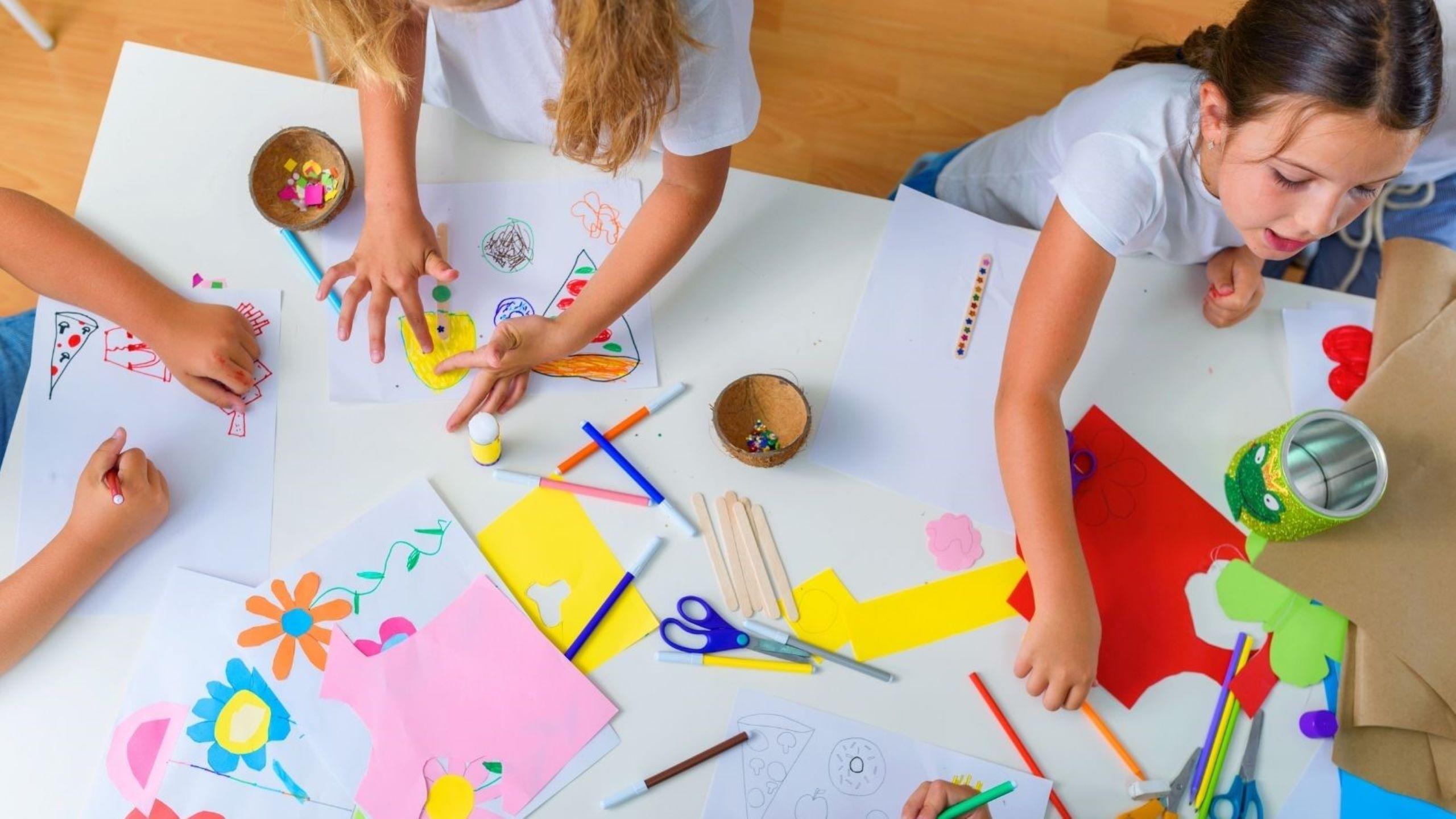
Rainy days provide perfect opportunities for Moroccan children to explore creative craft activities celebrating their rich cultural heritage. Furthermore, traditional Moroccan arts offer educational experiences while keeping children engaged indoors. Moreover, from zellige tile patterns to colorful lanterns, these fun projects combine cultural learning with hands-on creativity. Therefore, parents can transform gloomy rainy days into memorable family bonding time. Additionally, these craft activities develop fine motor skills, cultural appreciation, and artistic expression simultaneously. Indeed, using materials readily available at home makes these projects accessible for all families. Consequently, this comprehensive guide helps Moroccan parents discover engaging, educational craft activities perfect for indoor entertainment.
Moroccan Zellige Tile Paper Crafts
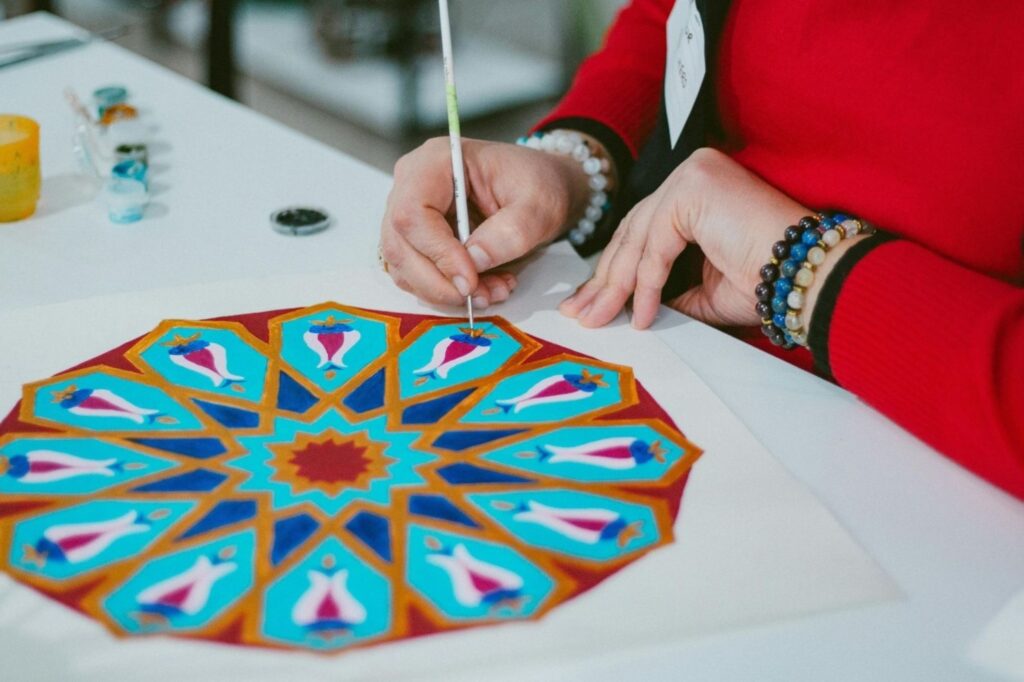
Zellige tile mosaics represent Morocco’s most iconic craft activities, easily adapted for children using paper and scissors. First, cut colored construction paper into geometric shapes—squares, diamonds, triangles, and hexagons. Additionally, children arrange these shapes creating intricate patterns inspired by Moroccan architecture.

Moreover, this creative activity teaches children about Islamic geometric art while developing spatial awareness and pattern recognition. Furthermore, younger children can trace templates while older ones design original patterns. For instance, geometric shapes arranged into patterns similar to Moroccan tiles make excellent educational projects.
Meanwhile, display finished zellige paper mosaics as wall art or use them decorating homemade cards and notebooks. Consequently, these craft activities connect children to Morocco’s architectural heritage through accessible, fun materials. Thus, rainy afternoons become opportunities for cultural learning through creative expression.
Materials Needed:
- Colored construction paper
- Scissors
- Glue stick
- Ruler and pencil
- Large cardboard base
Traditional Moroccan Lantern Making
Moroccan lamps are well-known globally with distinct patterns made from wrought iron and stained glass, and children can create simplified versions using paper. First, fold colored cardstock into cylinders or square shapes forming lantern bodies. Additionally, children draw archway-shaped windows before carefully cutting them out.
Moreover, cut rectangles of tissue paper in different colors and glue them over the windows—when light shines through, they look like pretty stained glass. Furthermore, these craft activities teach children about Moroccan architecture and light play. For example, string multiple lanterns together creating festive decorations for bedrooms.
Meanwhile, supervise younger children when using craft knives or sharp scissors for safety. Consequently, homemade Moroccan lanterns become treasured decorations transforming ordinary rooms into creative spaces. Thus, rainy days produce beautiful functional art celebrating Moroccan traditions.
Materials Needed:

- Colored cardstock paper
- Tissue paper (various colors)
- Craft knife (with supervision)
- Yarn or string
- Battery-operated tea lights

Khamsa Hand Symbol Art Projects
The Khamsa (hand symbol) holds deep meaning in Moroccan culture as protection against evil eye, making perfect creative craft activities. First, children trace their hands on paper creating personal Khamsa templates. Additionally, they fill hand outlines with smaller drawings, patterns, or zentangle designs.
Moreover, this fun project allows personalization while teaching cultural significance behind traditional symbols. Furthermore, taking a large image like a hand and filling it with smaller images represents techniques used in Moroccan art. For instance, children can add Moroccan patterns, family symbols, or favorite things inside their Khamsa designs.
Meanwhile, frame finished Khamsa art or use them creating greeting cards for family members. Consequently, these educational craft activities blend personal expression with cultural heritage beautifully. Thus, children learn about protective symbols while developing artistic skills during rainy afternoons.
Materials Needed:
- White paper or cardstock
- Colored markers or crayons
- Pencils for tracing
- Optional: glitter, stickers, paint
Real Success Stories from Moroccan Parents
Fatima Alaoui, Teacher, Rabat
“Last winter’s rainy weeks challenged me until discovering traditional Moroccan craft activities. Initially, my children complained about staying indoors constantly without their usual outdoor play. Then we started creating zellige paper mosaics and Moroccan lanterns together.
The transformation amazed me—they spent hours designing patterns and discussing Moroccan architecture naturally. Additionally, my daughter researched zellige history independently, wanting to understand designs better. These creative projects became our special rainy day tradition.
Within months, we covered our home with handmade Moroccan crafts showcasing their growing skills. Furthermore, relatives requested personalized Khamsa art as gifts during holidays. These fun craft activities taught my children cultural pride while developing patience and creativity. Indeed, rainy days became opportunities rather than obstacles for our family bonding.”
Morocco Spring 2026: 7 Best Day Trips from Marrakech
Day trips from Marrakech offer the chance to explore some of Morocco's most spectacular landscapes and cultural treasures. Moreover, tourists...
Moroccan Real Estate Spring 2026: Buyer’s Guide
Real estate markets across Morocco experienced a revival in spring 2026, attracting domestic and foreign buyers. Furthermore, the sector is...
Morocco Eid al-Fitr 2026: 8 Best Festive Restaurants
Restaurants across Morocco are preparing exceptional Eid al-Fitr menus to celebrate the end of the holy month. These establishments combine...
Morocco Q1 Business 2026: 5 Post-Ramadan Strategies
The success of Moroccan companies throughout Q1 annually is determined by business strategy planning for the post-Ramadan period. Furthermore, the...
Clay Tagine and Pottery Modeling
Modeling clay provides excellent opportunities for creating Moroccan ceramics or models of tagines. First, take air-dry clay or homemade salt dough rolling it into tagine shapes. Additionally, children can create miniature pottery inspired by Fez’s blue patterns, Safi’s yellows, or Meknes’s greens.
Moreover, these educational craft activities teach children about Morocco’s famous pottery traditions and regional variations. Furthermore, painting dried clay pieces allows creative expression while learning traditional color schemes. For example, children research different Moroccan cities discovering unique ceramic styles.
Meanwhile, finished clay tagines become decorative pieces or imaginative play props for toy kitchens. Consequently, these fun projects combine tactile experiences with cultural education effectively. Thus, rainy days produce lasting keepsakes celebrating Moroccan craftsmanship traditions.
Materials Needed:
- Air-dry clay or salt dough
- Rolling pin
- Acrylic paints
- Paintbrushes
- Sealer (optional)

Moroccan Carpet Weaving Projects
Moroccan carpets tell stories through their patterns and mixed colors, traditionally handmade by women, inspiring creative weaving craft activities for children. First, create simple cardboard looms by cutting notches along top and bottom edges. Additionally, wrap yarn vertically creating warp threads for weaving.
Moreover, children weave colorful yarn horizontally through warp threads creating miniature Moroccan-inspired rugs. Furthermore, these fun projects develop fine motor skills, patience, and pattern-making abilities. For instance, younger children use thicker yarn while older ones attempt complex patterns.
Meanwhile, finished weavings become coasters, doll blankets, or wall hangings decorating children’s rooms. Consequently, these educational craft activities connect children to Morocco’s textile heritage through hands-on experience. Thus, rainy afternoons teach traditional skills while producing functional art pieces.
Materials Needed:
- Cardboard pieces
- Colorful yarn or wool
- Scissors
- Large plastic needle
- Optional: buttons, beads for decoration

Conclusion: Transform Rainy Days into Creative Adventures
These Moroccan-inspired craft activities transform rainy days into educational, fun opportunities for children and parents. Traditional arts provide rich material for creative projects celebrating Morocco’s cultural heritage. Moreover, from zellige mosaics to pottery modeling, these activities develop skills while teaching cultural appreciation.
Parents discover that craft activities offer screen-free entertainment building family connections through shared creativity. Additionally, using simple materials makes these projects accessible without expensive supplies. Therefore, every rainy day becomes a chance for children to explore their heritage while developing artistic abilities.
Furthermore, displaying finished crafts throughout homes builds children’s confidence and cultural pride visibly. Indeed, these creative experiences create lasting memories while teaching valuable skills. Start your next rainy day by choosing one craft activity and watch your children’s creativity flourish.
Ready for creative rainy day fun? Gather simple materials from around your home and start with zellige paper mosaics or Moroccan lanterns this week!


Article très intéressant. Merci
مقال ممتاز يربط بين المرح والتراث! فكرة استخدام فن الزليج (الفسيفساء) وصناعة الفوانيس لتعليم الأطفال عن الهندسة المعمارية المغربية هي فكرة عبقرية. هذه الأنشطة لا تملأ وقت الفراغ فقط، بل تعزز الفخر بالثقافة المحلية وتنمي الوعي الفني لديهم.
أيام المطر تتحوّل إلى فرصة للإبداع والتعلّم للأطفال، حيث تصبح الحرف اليدوية جسرًا يربطهم بتراثهم المغربي ويملأ البيت لحظات دفء وفخر بالهوية. 🌧️✨
دليل عملي جداً لتحويل الأيام الممطرة إلى فرصة للإبداع العائلي بدلاً من قضاء الوقت أمام الشاشات. هذه الحرف اليدوية (مثل صناعة سجاد مصغر على نول من الورق المقوى أو تشكيل الطاجين بالصلصال) رائعة لتنمية المهارات الحركية الدقيقة والصبر والتركيز لدى الأطفال. شكراً على هذه الأفكار المبتكرة.
Qué ideas tan geniales para fomentar la creatividad en los más pequeños! En un mundo tan digital, es fundamental que nuestros hijos aprendan a usar sus manos y su imaginación. Estas actividades no solo los mantienen entretenidos, sino que también refuerzan su conexión con nuestra cultura y valores. ¡Un post muy útil para las familias en Marruecos!
Un article merveilleux et plein de créativité ! C’est essentiel d’initier nos enfants à l’artisanat marocain dès leur plus jeune âge. Ces activités manuelles sont non seulement ludiques, mais elles permettent aussi de transmettre nos traditions tout en stimulant l’imagination des plus petits. C’est une excellente façon de passer du temps de qualité en famille, loin des écrans. Merci pour ces idées inspirantes qui célèbrent notre culture
أدركتُ أن عالم الطفل في المغرب لا يُبنى فقط باللعب، بل يُنسج بخيوط من التراث والإبداع؛ فحين يمسك الطفل ورقًا ليصنع زليجًا، أو يلون فانوسًا، أو يشكّل طاجينًا صغيرًا، فإنه لا يلهو فقط… بل يلمس تاريخًا حيًا بين يديه. تلك الأنشطة البسيطة تُحوّل الأيام العادية إلى لحظات دافئة تجمع العائلة، وتُعلّم الصبر والخيال والانتماء في آنٍ واحد، وكأن الإبداع هنا ليس مجرد تسلية، بل جسرٌ صغير يربط الطفل بجذوره وهويته.