
Solar Energy: The Largest Investment Opportunity
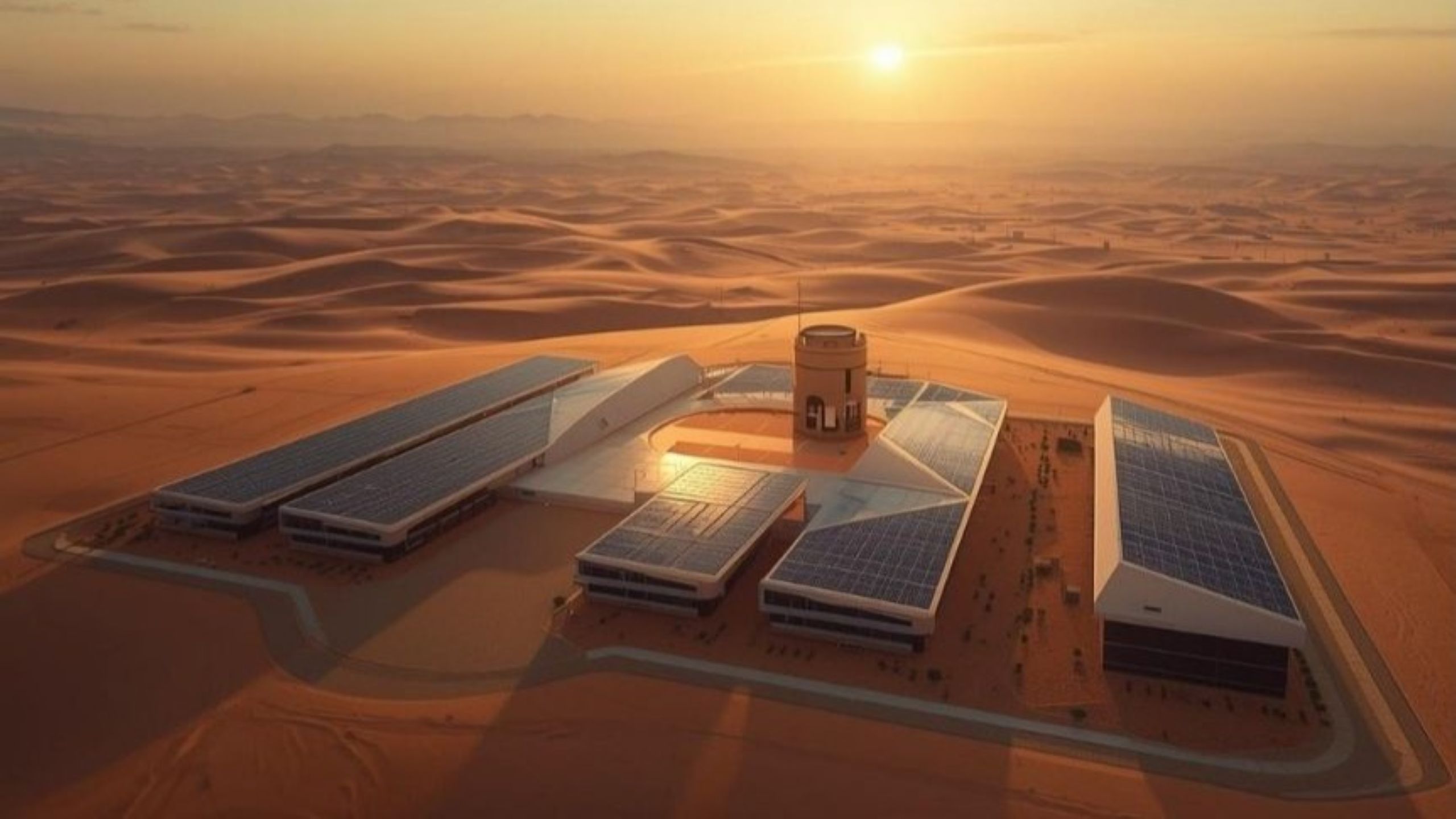
Morocco receives some of the highest solar radiation in the world. The Noor Ouarzazate Solar Complex remains one of the largest solar installations in Africa, and new projects continue to expand capacity.
The government has licensed more than 57 new projects with a combined capacity of nearly 3 gigawatts. Total investment in these projects exceeds 3.4 billion US dollars. Solar energy currently represents 17% of Morocco’s renewable energy mix.
Furthermore, production costs at sites such as Noor Atlas and Noor Midelt have fallen to between 34 and 42 centimes per kilowatt-hour. This reduction makes solar investment increasingly competitive for private developers.
Green Hydrogen: Morocco’s Strategic Export Sector
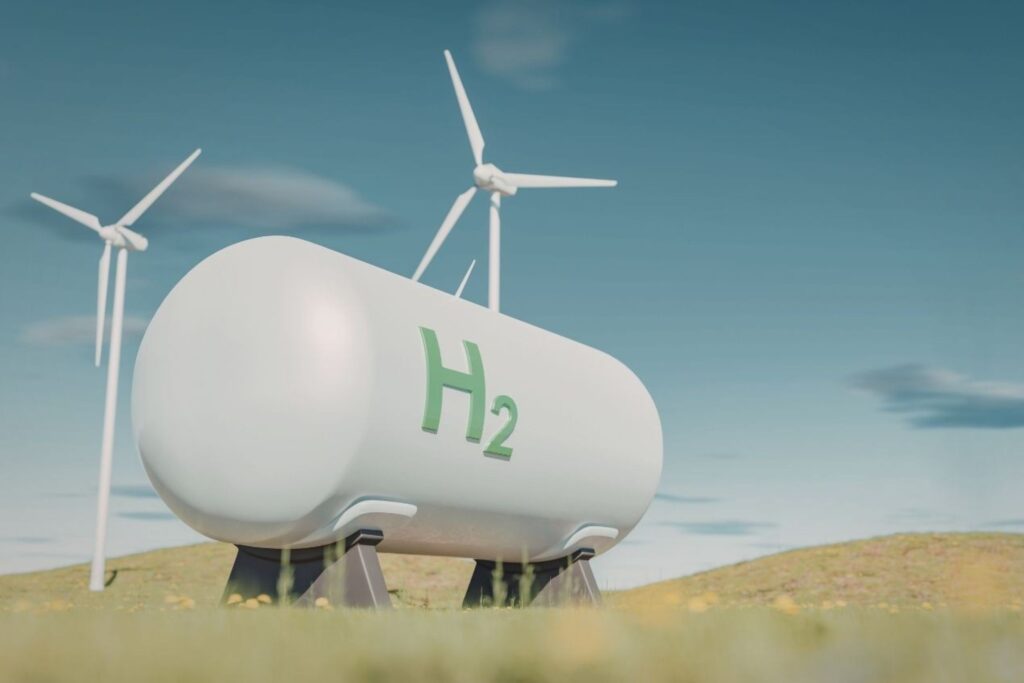
Morocco aims to become a global leader in green hydrogen production and export. The country’s Green Hydrogen Offer program has made up to 1 million hectares available for integrated industrial projects.
In February 2026, Morocco signed a 4.5 billion US dollar deal with the ORNX consortium from the United States, Spain, and Germany. The project will use 2 gigawatts of renewables and 900 megawatts of electrolysis capacity to produce green hydrogen and ammonia for export.





Moreover, studies estimate that Morocco could capture between 4% and 8% of the global Power-to-X market. This represents a potential revenue of between 100 million and 400 million euros annually. Green hydrogen is therefore one of the most high-value sectors in renewable energy Morocco today.






Lo del hidrógeno verde me parece la apuesta más ambiciosa del artículo. Capturar entre el 4% y el 8% del mercado global de Power-to-X no es un objetivo menor, y eso que todavía estamos en fases iniciales. Hay algo que no queda del todo claro para mí: ¿cómo se gestiona la competencia con otros países del Magreb que también quieren posicionarse en ese mercado? Sería interesante un seguimiento sobre eso.
Le partenariat avec la Japan Bank for International Cooperation pour les infrastructures de stockage, ça m’a vraiment interpellée. On parle beaucoup de solaire et d’éolien, mais le stockage c’est exactement le maillon faible que personne ne finance suffisamment en Afrique. Le fait que le Maroc ait déjà signé des accords concrets pour combler ce manque dit beaucoup sur la maturité de sa stratégie énergétique. C’est une vision à long terme, pas juste une vitrine.
مشروع الهيدروجين الأخضر بقيمة 4.5 مليار دولار مع كونسورتيوم ORNX الذي يضم شركاء من الولايات المتحدة وإسبانيا وألمانيا، هذا مستوى من التمويل والشراكة الدولية لا تحققه كثير من الدول. ما يميز المغرب فعلاً هو أن البنية التشريعية والمؤسسية جاهزة قبل أن تكتمل المشاريع. نتحدث في منطقتنا كثيراً عن طموحات الطاقة المتجددة، لكن السرعة التي يتحرك بها المغرب من التخطيط إلى التنفيذ تستحق الدراسة الجادة.
بعض الأمم تبني حاضرها بما تملك، وأمم أخرى تبني مستقبلها بما تؤمن به. حين تستثمر دولة في الطاقة المتجددة، فهي لا تنتج الكهرباء فقط، بل تزرع أملاً هادئًا في غدٍ أكثر استقرارًا ووضوحًا.
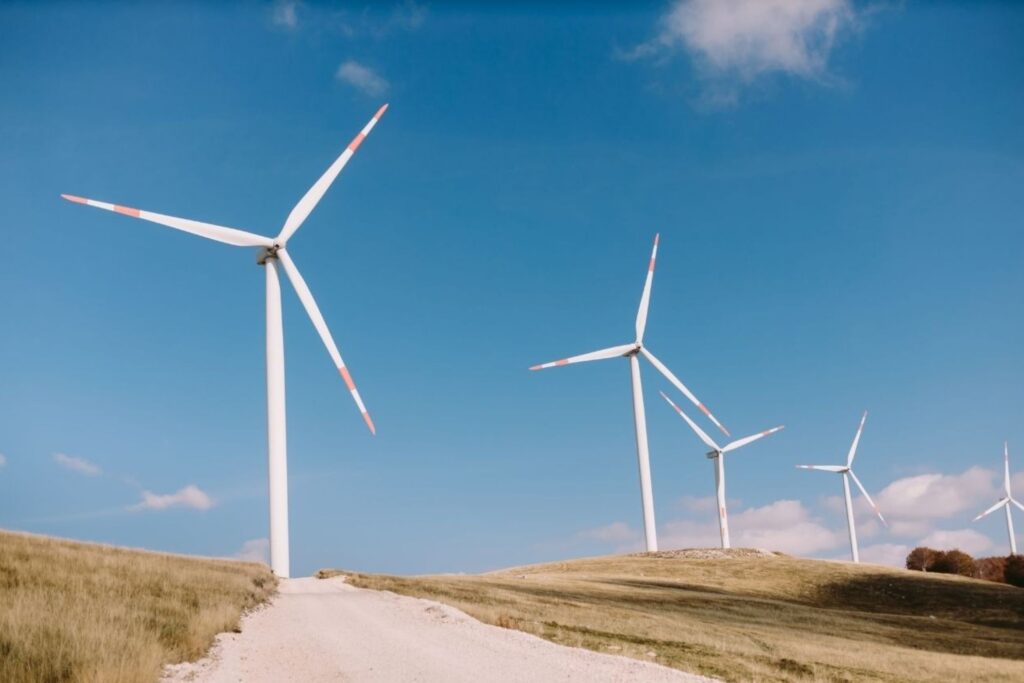
44% de la capacité renouvelable assurée par l’éolien, je ne savais pas que c’était aussi dominant par rapport au solaire. La région de Dakhla avec des vents entre 7 et 11 mètres par seconde, c’est des conditions qu’on trouve rarement à cette régularité. Le potentiel de 25 gigawatts onshore est un chiffre qui mérite vraiment qu’on s’y arrête.