

Why Morocco’s Multicultural Holiday Season Matters
Morocco’s holiday season reflects centuries of cultural exchange creating harmonious coexistence rarely found globally. First, the nation observes Islamic calendar festivals alongside Amazigh agricultural celebrations and Western-influenced New Year traditions. Additionally, Morocco’s holiday season includes historically significant Jewish festivals though the community remains small today.
This multicultural holiday season approach defines Moroccan identity fundamentally. Moreover, families participate across religious and cultural boundaries sharing meals and celebrations respectfully. For instance, Muslim families often honor Amazigh Yennayer traditions while celebrating Islamic Eid festivals simultaneously. Meanwhile, expatriate communities contribute Christmas and international New Year customs enriching Morocco’s holiday season tapestry.
Consequently, Morocco’s holiday season demonstrates pluralism succeeding through mutual respect and shared values. Thus, seasonal celebrations become opportunities strengthening national unity through diversity rather than uniformity.
Ramadan and Eid Family Traditions
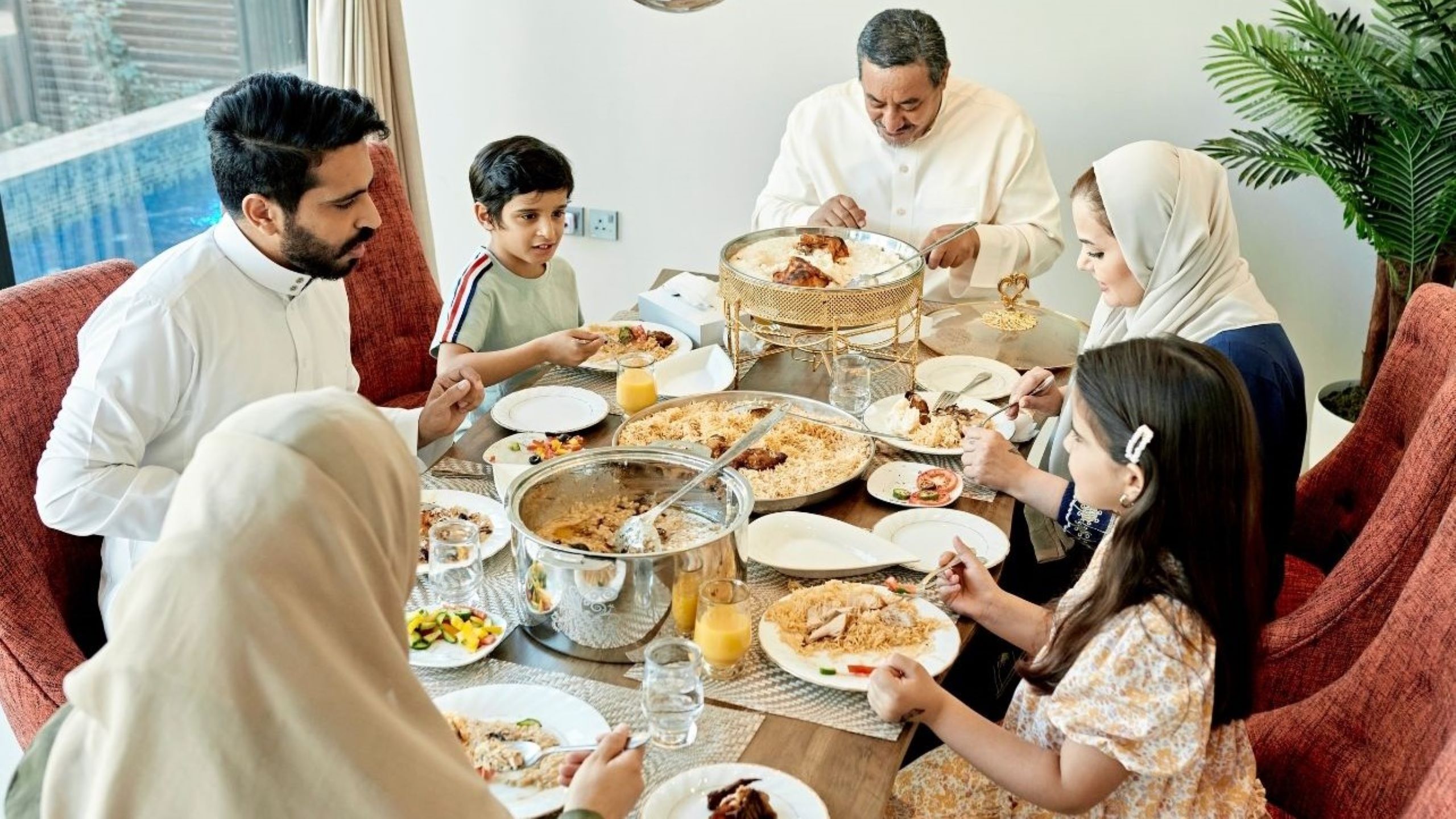
Islamic holidays form Morocco’s most significant holiday season observances affecting entire national rhythms. First, Ramadan—the ninth month fasting from dawn until sunset—transforms daily life through spiritual reflection and communal iftar meals. Additionally, families gather nightly breaking fast with dates, harira soup, and traditional dishes creating intimate holiday season moments.
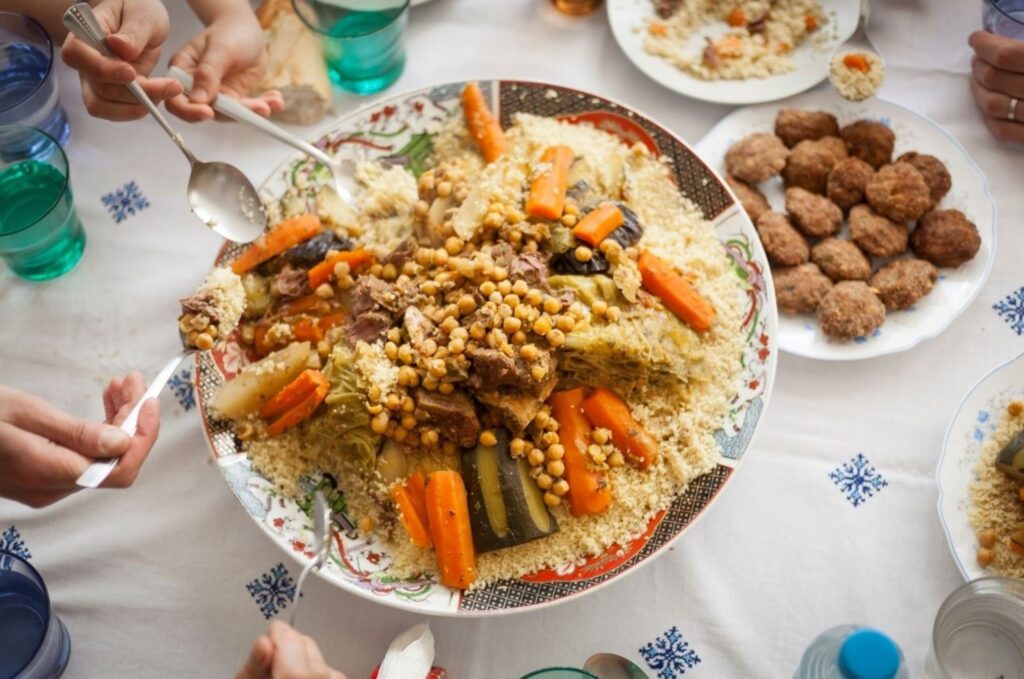
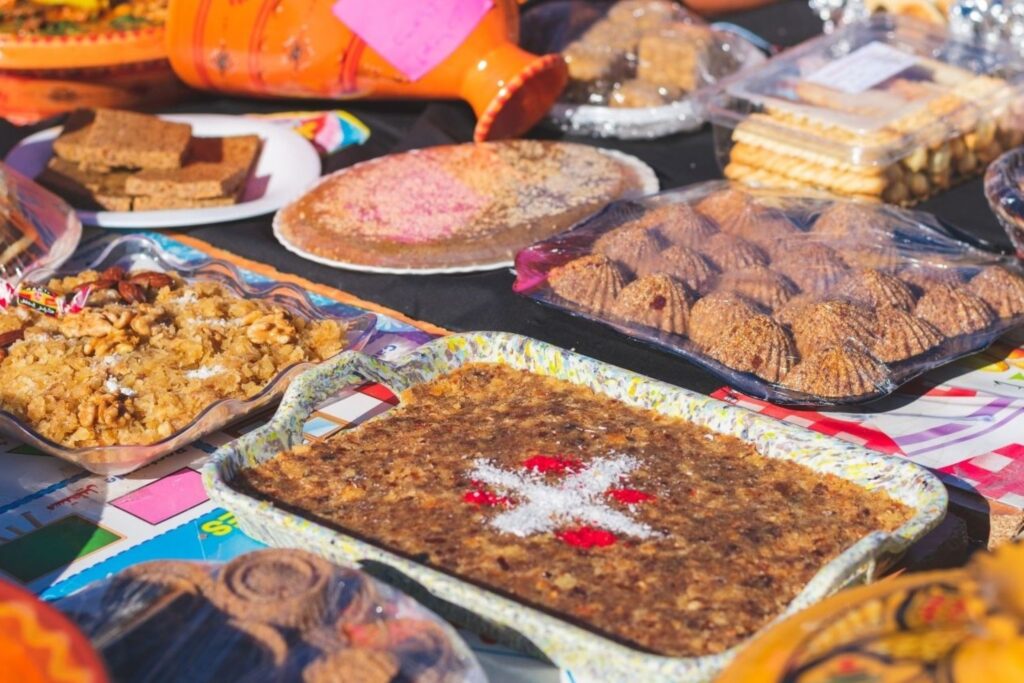
Moreover, Eid al-Fitr celebrates Ramadan’s conclusion through three-day festivities featuring prayers, new clothes, gifts for children, and elaborate family meals. Furthermore, Eid al-Adha commemorates Abraham’s sacrifice through ritualistic sheep slaughter with meat distributed among family, relatives, and those in need. For instance, families prepare special tagines, couscous, and pastries during both Eid celebrations as essential holiday season traditions.




Meanwhile, the holiday season emphasis on charity defines these celebrations through Zakat al-Fitr donations ensuring everyone participates in festivities. Consequently, Islamic holidays create powerful community bonds through shared spiritual practices and generosity. Thus, these holiday season observances blend religious devotion with family togetherness and social responsibility beautifully.

Conclusion: Holiday Season Secures Morocco’s Multicultural Identity
Morocco’s holiday season demonstrates how diverse traditions coexist creating richer cultural experiences than homogeneous alternatives. From Gregorian and Amazigh New Years to Ramadan, Eid festivals, and modern celebrations, the nation honors multiple heritages simultaneously. Moreover, shared values of family, hospitality, food, and charity unite communities across religious and ethnic boundaries.
Yennayer feasts, Ramadan iftars, Eid sacrifices, and New Year festivities offer boundless participation opportunities throughout the year. Additionally, family testimonials prove Morocco’s multicultural holiday season delivers genuine social cohesion beyond political rhetoric. Therefore, visitors should time travels experiencing authentic celebrations while respecting local customs and traditions.
Furthermore, Morocco’s commitment to pluralism through holiday season observances ensures sustained cultural diversity benefiting future generations. Indeed, the nation’s unique position bridging Africa, Arabia, Mediterranean, and Europe creates unmatched celebration richness globally. Research Islamic calendar dates today, plan respectful participation, and discover Morocco’s extraordinary multicultural holiday season traditions.
Ready to experience Morocco’s diversity? Visit Morocco’s Official Tourism for cultural guides, explore festival calendars, and discover the nation’s remarkable multicultural holiday season celebrations!








ما يثير الإعجاب في هذا المقال هو تسليط الضوء على القيم المشتركة التي تجمع هذه الأعياد المختلفة؛ فمن الكسكس بسبع خضار في “يناير” إلى حريرة رمضان، يبقى المطبخ المغربي واللمة العائلية هما الرابط المتين. التعددية الثقافية في المغرب ليست مجرد شعار، بل هي ممارسة يومية تتجلى في احترام الجيران لبعضهم ومشاركتهم لأفراحهم بغض النظر عن خلفياتهم. المغرب فعلاً نموذج عالمي في العيش المشترك.
تحليل ذكي جداً! تنوع الأعياد في المغرب (الميلادية، الأمازيغية، والدينية) يجعل من بلدنا وجهة سياحية وثقافية نابضة بالحياة طوال السنة. هذا الغنى يعطي دفعة قوية للسياحة الداخلية ويوفر للزوار الأجانب تجربة إنسانية فريدة لا يجدونها في مكان آخر. إن استثمارنا في هويتنا المتعددة هو أفضل وسيلة للترويج لصورة المغرب الحديث المنفتح على العالم والمتمسك بجذوره في آن واحد.
مقال رائع يلخص ببراعة روح “تمغربيت”!
أجمل ما في المغرب هو هذا المزيج الفريد والتعايش بين مختلف التقاويم والثقافات. أن نحتفل برأس السنة الميلادية، ثم رأس السنة الأمازيغية (يناير)، مع استحضار قيم رمضان والأعياد الدينية، فهذا دليل على غنى هويتنا وتعدد روافدها.
الاحتفال بـ “يناير” كعيد وطني هو تكريم للأرض والجذور، واحتفالنا الجماعي بكل هذه المناسبات يعزز روابطنا العائلية والمجتمعية. المغرب يثبت دائماً أن التنوع هو مصدر قوتنا ووحدتنا. شكراً على هذا المقال الملهم!
🌟 موسم الأعياد في المغرب يذكّرني بأن الاحتفال ليس مجرد طقوس، بل هو قلب ينبض بالترابط والاحترام المتبادل بين الناس مهما اختلفت ثقافاتهم. الفرح الحقيقي يكمن في مشاركة اللحظات مع من نحب، وفي تقدير الاختلاف الذي يثري حياتنا. ❤️
Qué artículo tan profundo sobre la realidad de Marruecos. Nuestra tierra siempre ha sido un puente entre culturas, y ver cómo esas tradiciones se mezclan en armonía durante las festividades es nuestra mayor riqueza. Como alguien que valora nuestra identidad, creo que este espíritu multicultural es lo que nos hace brillar en este 2026. ¡Excelente visión!
Merci pour cet article touchant qui célèbre si bien la diversité et l’ouverture d’esprit au Maroc. C’est merveilleux de voir comment les traditions se rencontrent et s’enrichissent au sein des familles multiculturelles pendant la période des fêtes. Ce sens du partage et de la convivialité est le cœur battant de notre société. C’est une lecture très inspirante qui rappelle que l’essentiel réside dans les liens familiaux et le respect mutuel. Un grand bravo pour ce bel hommage au vivre-ensemble