

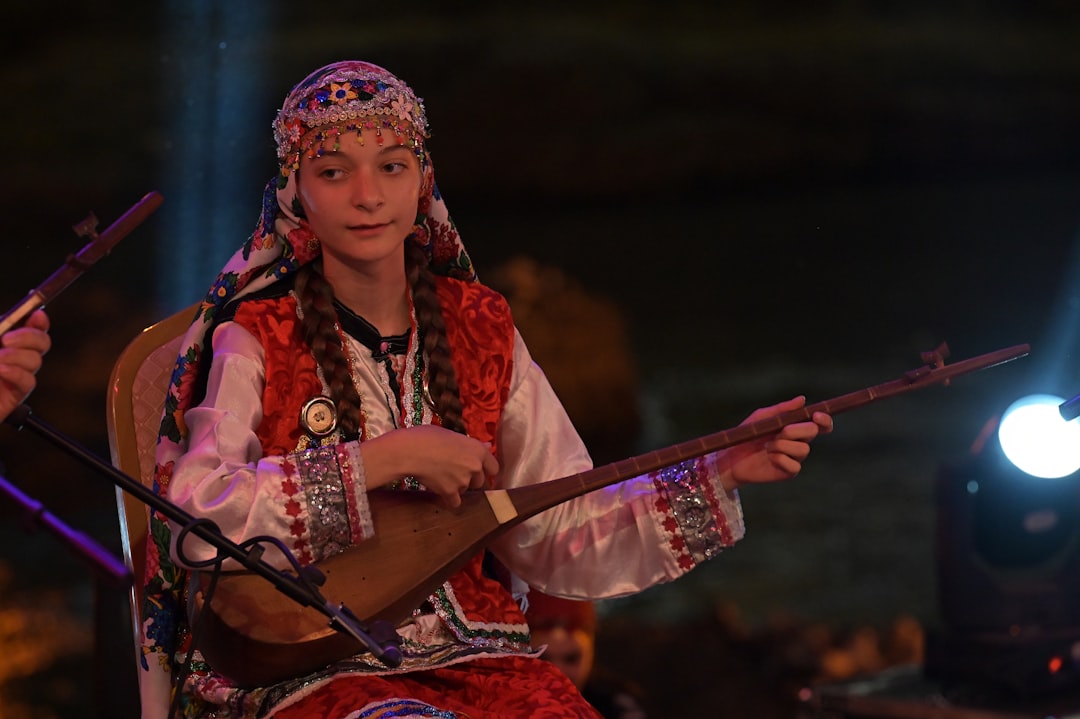
The Timitar Festival opens a door that most Morocco itineraries never find: 3 nights of free music, ancient Amazigh tradition, and world sounds colliding under the Atlantic sky of Agadir.
What the Timitar Festival actually is
The Timitar Festival was founded in 2004 with the goal of creating a cultural project to bring Amazigh artists and world musicians together. The name carries real meaning. Timitar means “signs” in the Tashelhit Amazigh language, referring to the cultural signs, traditions, and rhythms that define the community. That word choice tells you everything about the festival’s philosophy.

Organized by the Timitar Association, the festival has built its identity around a simple but enduring motto: “Amazigh artists welcome the artists of the world.” More than a slogan, it captures the philosophy that has distinguished Timitar since 2004, placing Amazigh culture at the heart of an international musical exchange rather than presenting it in isolation. This is not a heritage museum. It is a living conversation between traditions.
Over more than 2 decades, Timitar has resisted the temptation to rely solely on international headliners. Instead, it has developed into Morocco’s leading festival dedicated to Amazigh culture, using music as a vehicle to promote dialogue between traditions, languages, and generations.
The 2026 edition: dates, venues, and lineup
Morocco’s Atlantic city of Agadir is preparing to welcome thousands of music lovers as the Timitar Festival returns, reaffirming its reputation as one of North Africa’s foremost celebrations of Amazigh culture. The 21st edition will be held from July 23 to 25, bringing together around 30 Moroccan and international artists in a program that blends Amazigh traditions with African, Middle Eastern, and contemporary musical influences.
Unlike previous editions, the 2026 festival has been condensed into 3 days, with organizers choosing a more concentrated program designed to deliver a richer and more immersive experience for audiences. Among the confirmed headline performers are Moroccan music icons Najat Atabou and Oudaden, Lebanese superstar Ragheb Alama, Mauritanian singer Malouma Mint Mokhtar, Amazigh vocalist Fatima Tihihite, rapper L’Artiste, Benny Adam, DJ Key, and the female Ahwach Tiferkhin troupe.
Concerts will take place at Agadir’s Place Al Amal and Théâtre de Verdure, with all performances remaining free of charge, a defining feature that has helped make the festival one of Morocco’s most accessible cultural events. Both stages sit in the heart of the city and are easy to reach on foot from most hotels.
Understanding Amazigh heritage at the festival
The Timitar Festival is deeply rooted in the Souss-Massa region, of which Agadir is the capital and the historic heartland of Amazigh culture. The festival acts as a vital platform for preserving and showcasing this rich heritage. For a visitor, that translates into something you can feel rather than just read about.
The festival features leading contemporary and traditional artists from the Souss region, often incorporating instruments like the ribab (a single-stringed fiddle) and showcasing traditional dances like the Ahwach. Traditional troupes, heirs to ancestral and popular Amazigh musical art, launch the festivities every evening, as an invitation to artists from all over the world.
The festival represents a living expression of Amazigh identity that continues to evolve through encounters with artists and audiences from across the globe. By bringing together traditional music, contemporary creativity, and diverse cultural influences on open-air stages accessible to everyone, the festival has transformed local heritage into a universal language.






A cultural perspective on Timitar
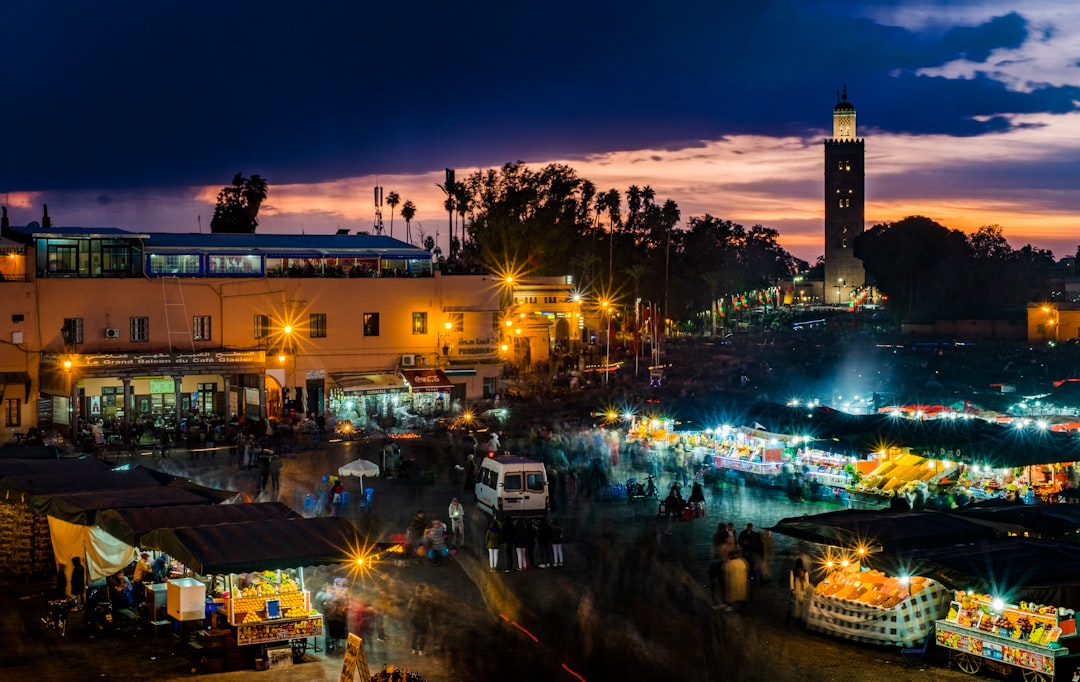
The Timitar Festival is, at its core, a model of cultural confidence. Amazigh communities in the Souss region have always had a rich tradition of seasonal gatherings, and Timitar channels that energy into a global format without losing its roots. What makes this festival remarkable is that it does not ask Amazigh culture to adapt for international audiences. It asks international artists to enter that world on its own terms. The result is a genuine dialogue, not a performance of difference. Genres like gnawa, chaabi, and Ahwach sit alongside African pop, Arab music, and contemporary fusion not as curiosities but as equals. For cultural tourism in Morocco, this model is one worth studying. Festivals that anchor identity at the center while opening outward are rare, and Timitar has maintained that balance across more than 20 editions.
Industry perspective, cultural tourism and Amazigh heritage professionals in Morocco
What to do beyond the concerts
The Timitar Festival is not only about the evening stages. The festival often includes a complementary program of colloquiums, workshops, and panel discussions focusing on the history of Amazigh music, cultural diversity, and contemporary artistic practices for young people. These sessions run during the day and are open to all visitors.
Agadir’s international airport and direct road links from Marrakech, around 3 hours by car, support visitor flow. This period allows travelers to combine beach tourism with cultural programming. Book accommodation early. Accommodations fill quickly, so booking early is wise, but do not overlook guesthouses in nearby neighborhoods like Talborjt or Anza, where local families often host visitors during the event.
With a 10-kilometer beach of fine sand, more than 300 days of sunshine a year, and a marina, Agadir is an ideal base. Use the afternoons to explore the city before the music starts at night.
Why the Timitar Festival belongs on your Morocco plan
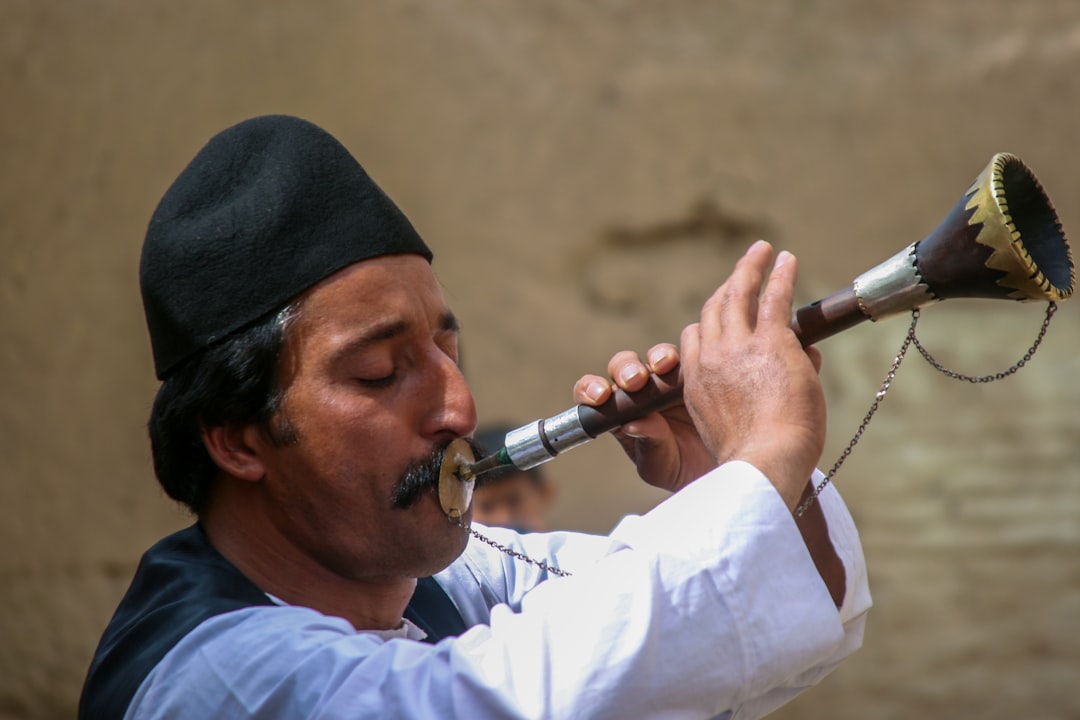
The Timitar Festival is not a side event on the Morocco tourism calendar. Depending on the edition, the festival has drawn hundreds of thousands of spectators, with attendance surpassing 800,000 during years when the event extended across more venues. Its popularity has helped establish Agadir, regarded as Morocco’s Amazigh capital, as a major cultural destination while showcasing the region’s rich heritage to international visitors.
The Timitar Festival gives you direct access to one of Morocco’s most powerful cultural traditions, for free, on the seafront, across 3 consecutive nights. Timitar promises to demonstrate that Amazigh culture is not simply something to be preserved, but a vibrant artistic tradition capable of inspiring new conversations and forging connections far beyond Morocco’s borders. Plan your flights, book your room now, and arrive ready to listen.
Discover more about Timitar Festival
- Timitar Festival official Instagram (Festival Timitar)
- Middle East Online: Timitar Festival blends Amazigh roots with global rhythms in Agadir
- Explore Agadir Souss-Massa: Timitar Festival official regional tourism page