
Plastic use is one of the quietest challenges hiding inside Morocco’s most beautiful spaces: the winding lanes of a medina, the spice-filled air of a souk, the gentle chaos of a street market where everything feels timeless.
Why plastic matters in Morocco’s medinas
Morocco has taken serious steps to address this problem. Beginning on 1 July 2016, the Zero Mika Law banned the production, import, sale or distribution of single-use plastic bags. The name comes from everyday Moroccan life: “Mika” is the equivalent of plastic in Darija, the Moroccan dialect. The law was bold. But the reality on the ground is more complicated.

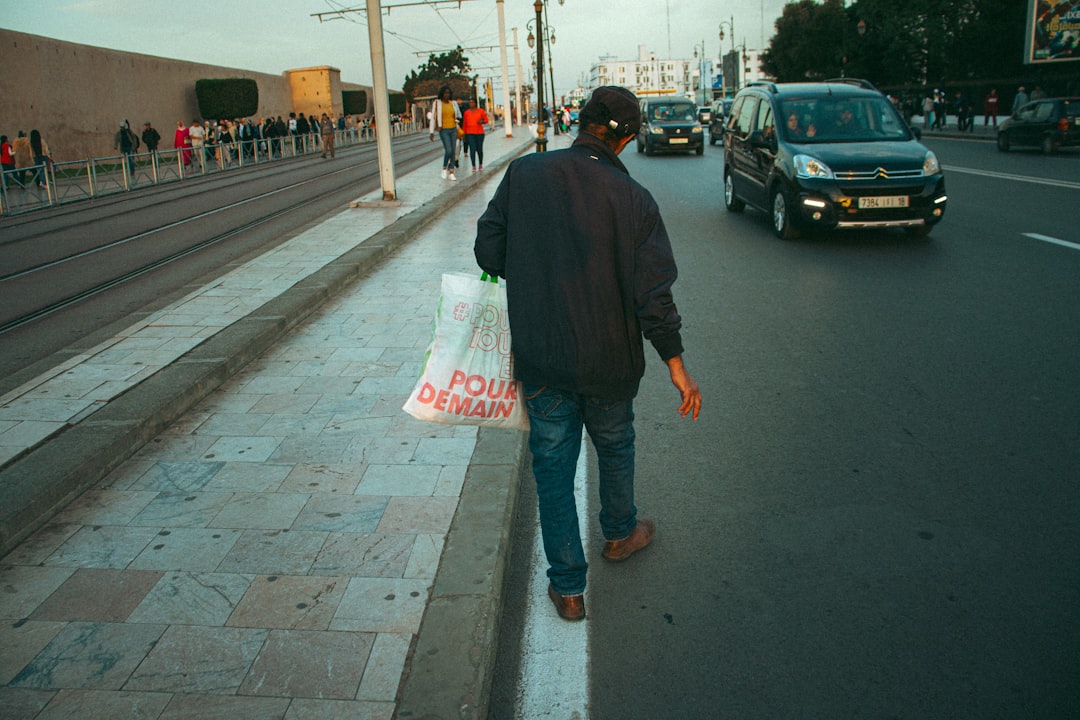
Enforcement of the plastic bag ban varies across Morocco. While single-use plastic bags are not usually found in major supermarkets anymore, they are still common at local souks and corner stores. Tourism is a key generator of single-use plastic waste, and the sector suffers from improper disposal that ends up on coastlines, affecting tourist activities and harming marine life. As a traveller, your daily choices inside the medina matter more than you may think.
Waste management systems struggle to process the volume of plastic bottles, food packaging, and other materials that tourism generates. In remote and rural areas, as well as desert and mountain regions, waste collection is limited or non-existent. This is where plastic pollution in Morocco has its biggest visual impact.
Pack a reusable bag before you enter the souk
The single most effective thing you can do is arrive prepared. Carry a lightweight tote or foldable bag when shopping in the souks. Politely decline plastic bags when buying foodstuffs or souvenirs. Vendors move fast, and bags appear quickly. You sometimes have to be very quick to say “no plastic, please” before vendors place your purchase into a bag. Most are more than supportive if you politely refuse.
A cotton tote folds to almost nothing in a travel bag. It holds olives, ceramics, bread, and a handful of fresh herbs from a market stall without any problem. Beyond convenience, it signals respect: you are a guest who cares about the place you are visiting.
Some shopkeepers at markets are already encouraged to use brown paper bags or cotton bags. When you bring your own, you make that shift easier for everyone. This is not about lecturing vendors. It is about making the responsible choice the easy one.
Solve the water bottle problem first
Bottled water is one of the largest sources of plastic waste for travellers anywhere in the world, and Morocco is no different. A single reusable filtration bottle eliminates dozens of single-use plastic bottles over a two-week trip. This is probably the highest-impact item you can pack.
Purchasing bottled water contributes to plastic waste; carrying a reusable bottle equipped with a filtration system provides safe drinking water while reducing plastic consumption. Many filtration bottles remove bacteria and improve taste, which matters when tap water quality varies across regions.
Good hotels, riads, and lodges in Morocco have put in place policies to reduce plastic. Many luxury lodges give clients a water bottle they can use for the duration of their stay, rather than distributing single-use plastic water bottles. Ask your accommodation directly. Many properties are happy to refill your bottle rather than hand you a fresh plastic one.

Support vendors and artisans who choose less waste
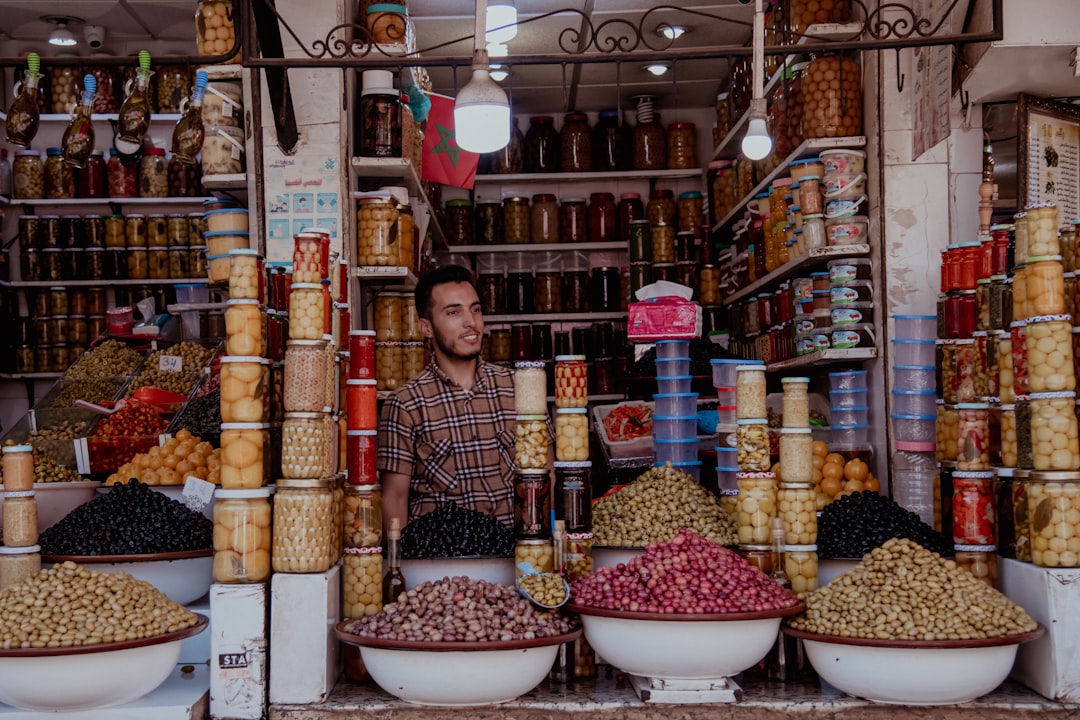
One of the easiest ways to travel sustainably is by shopping and eating locally. Morocco’s markets, called souks, are full of handmade crafts. You can find rugs, pottery, jewelry, and more. When you buy directly from artisans, you support their work and keep Moroccan traditions alive.
Buying from an artisan cooperative rather than a mass souvenir shop also reduces packaging. Items sold directly by makers are often wrapped in cloth or paper, not plastic. Buy directly from craftspeople in souks rather than from resellers. The medinas of Fez and Marrakech have cooperatives where artisans sell their own work at fair prices.
An industry perspective on plastic and travel in Morocco
Plastic reduction in Morocco’s tourism sector is not just an environmental goal: it is a cultural one. The medinas of Fez, Marrakech, and Essaouira were built around the idea of resourcefulness. Craftspeople have always reused materials. Sellers have always wrapped goods in cloth or leaves when plastic did not exist. When travellers arrive with reusable bags and bottles, they are not imposing a foreign idea. They are reconnecting with a local ethic that already existed here. The gap today is awareness and practical access to alternatives. Travellers who reduce plastic use actively while moving through a souk create visible demand. That changes what vendors stock. That changes what the medina looks like over time.
Industry perspective, sustainability and travel professionals in Morocco
Choose accommodation that takes waste seriously
Where you sleep has a direct effect on how much plastic enters your trip. Where you stay makes a difference. Many hotels, riads, and desert camps are taking steps to implement sustainable practices. Look for accommodations that have clear goals for minimising their environmental impact, which should be detailed on their website.





Les Jardins de la Medina in Marrakech does everything from composting organic materials to monitoring energy consumption and providing bicycles for guests to explore the city without emissions. Water dispensers have been installed throughout the hotel, with guests encouraged to refill their bottles rather than contribute to Morocco’s plastic waste.
Many boutique riads, eco-lodges, and surf camps are quietly leading the way when it comes to offering sustainable stays. Ask 3 direct questions before you book: Does the property offer refillable water? Do they avoid single-use plastics at breakfast? How do they handle packaging waste? The answers tell you a great deal.
Reduce plastic use and bring the medina’s spirit home
Reducing plastic use while travelling through Morocco’s medinas is not a sacrifice. It is a way of travelling that matches the values this country has always held: resourcefulness, community, and respect for craft. Every reusable bag you carry into a souk, every plastic bottle you decline, every artisan you support directly is a small act that adds up.
Morocco’s National Waste Reduction and Recovery Strategy aims to achieve a 70% recycling rate by 2030. Travellers are part of that story. Reducing plastic use starts with you, in the medina, before the vendor even reaches for a bag. Share what works with other travellers you meet along the way. The souks, the lanes, and the people who live in them will thank you for it.
Discover more about plastic use
- UNEP SwitchMed: Morocco’s Sustainable Consumption and Production Strategy
- World Bank Technical Note: Addressing Plastic Pollution in Morocco
- ESI Africa: Morocco’s Circular Economy Push Ahead of the 2030 World Cup