

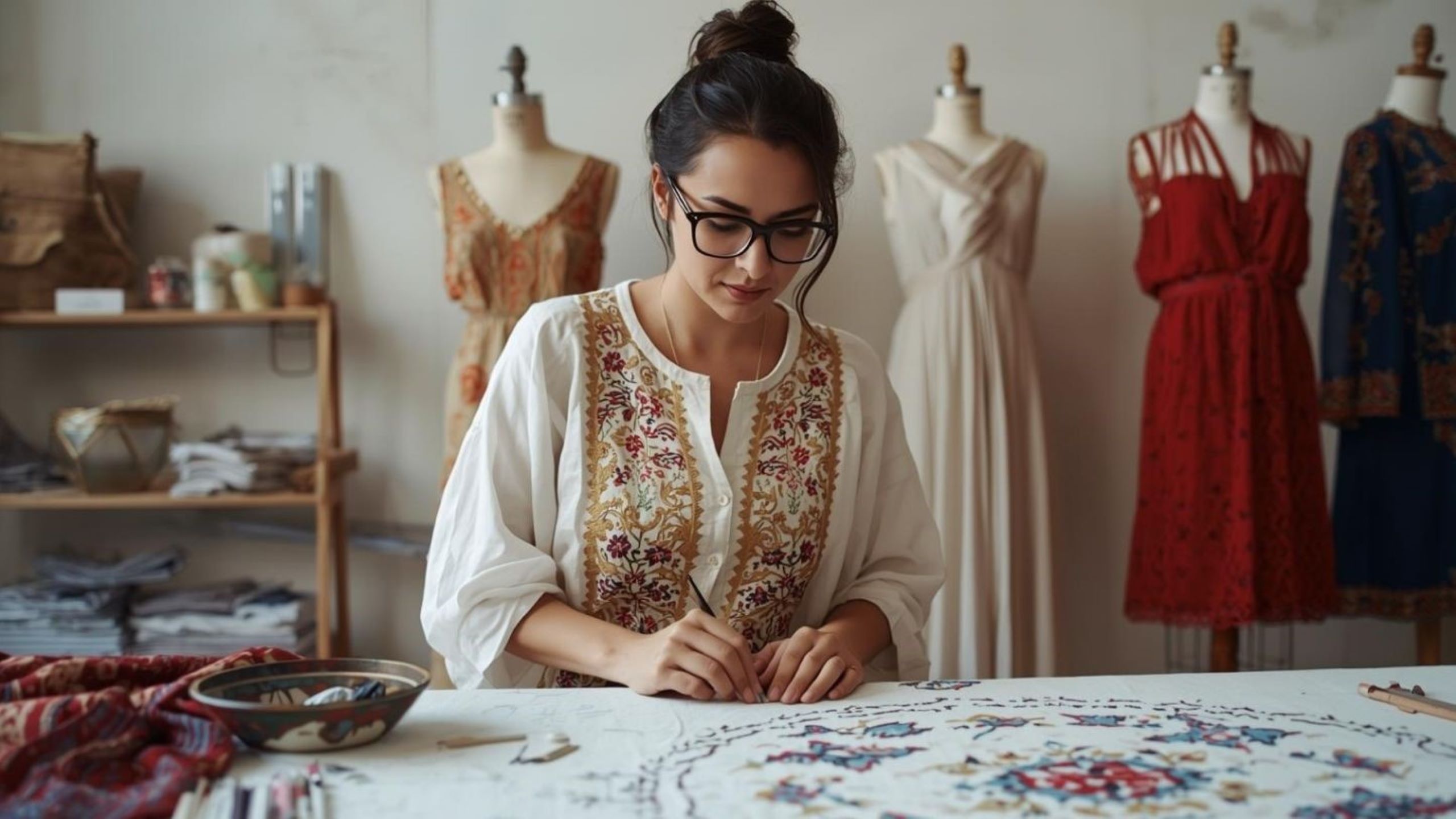
Why Moroccan Slow Fashion Matters for Conscious Consumers
Morocco’s slow fashion movement addresses fashion industry’s most destructive practices. First, traditional textile techniques spanning centuries offer environmentally sound alternatives to industrial production. Additionally, handcrafted slow fashion pieces last decades rather than seasons.

Slow fashion designers prioritize quality over quantity fundamentally. Moreover, each garment carries stories of artisans who created it. For instance, hand-looming, natural dyeing, and embroidery reduce environmental impact while preserving cultural knowledge. Meanwhile, slow fashion consumers support local economies and fair artisan compensation.
Consequently, choosing Moroccan slow fashion represents conscious consumption aligning values with purchases. Thus, fashion enthusiasts increasingly recognize slow fashion’s ethical and ecological necessity beyond aesthetic preference.
Leading Moroccan Slow Fashion Designers and Brands
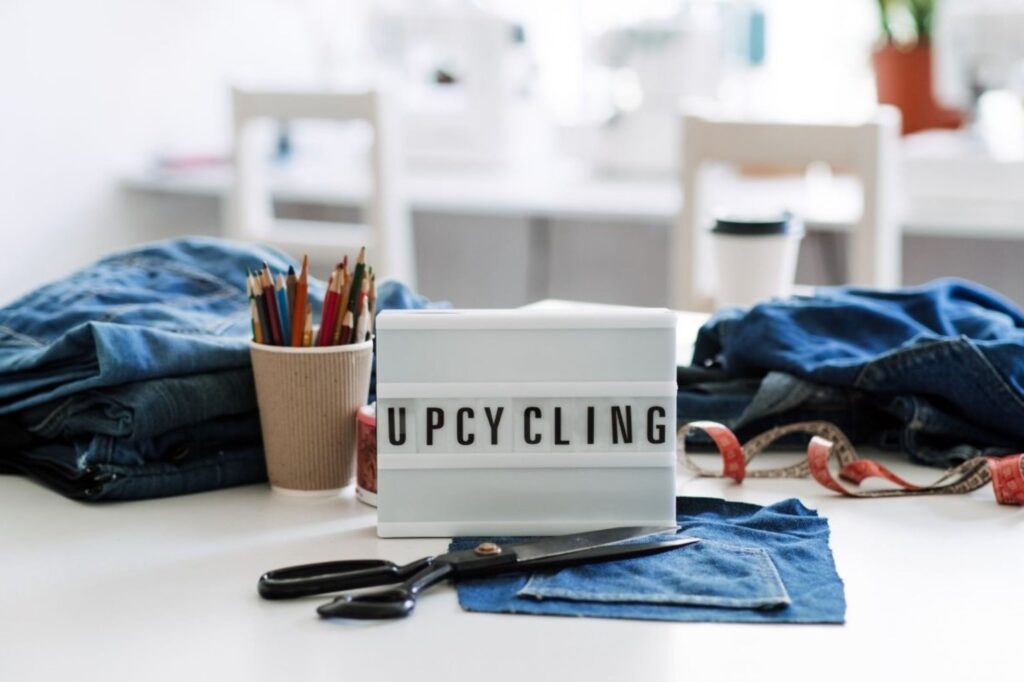
Morocco hosts visionary slow fashion pioneers establishing international reputations through authentic practices. First, MAISON ARTC under Artsi Ifrach creates one-of-a-kind slow fashion pieces exclusively from upcycled vintage textiles. Additionally, every slow fashion garment incorporates traditional Moroccan embroidery and contemporary artistry.
Moreover, Mina Binebine represents emerging slow fashion talent showcasing corseted designs at international fashion weeks. Furthermore, her slow fashion practice emphasizes unconventional fabric selection and handcrafted corsetry. For instance, Mina sources upholstery fabrics and leftover textiles transforming them into gallery-quality slow fashion statements.





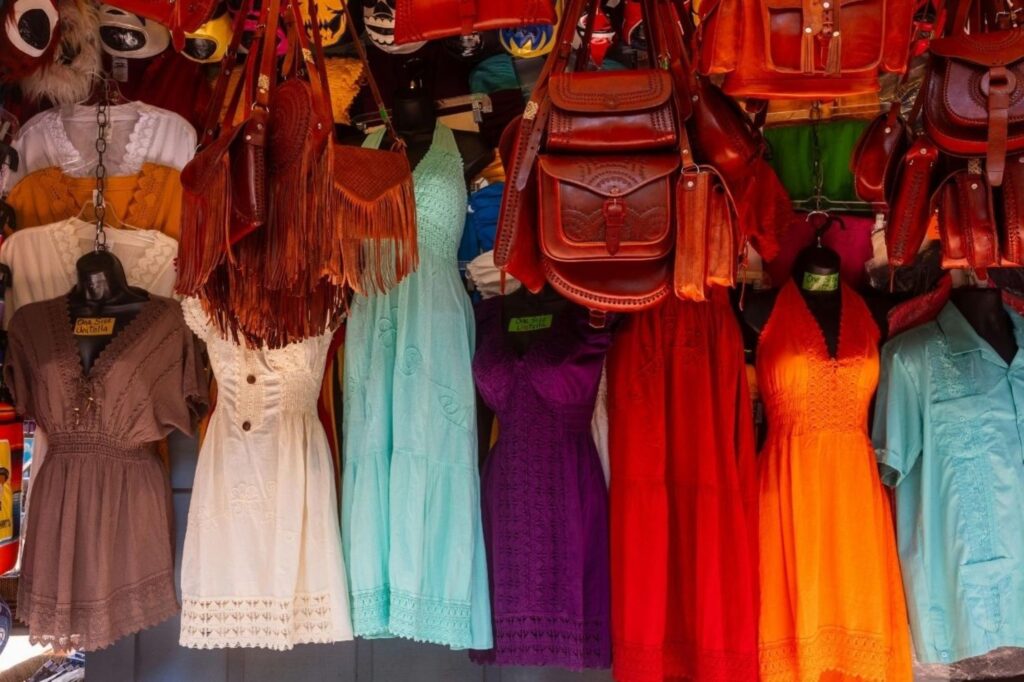
Meanwhile, New Tangier leads slow fashion movement combining traditional leatherwork with conscious production practices. Consequently, these slow fashion designers prove Morocco’s capacity creating world-class sustainable fashion. Thus, international recognition continues accelerating.

Conclusion: Moroccan Slow Fashion Secures Fashion’s Future
Moroccan designers demonstrate slow fashion represents both ethical necessity and artistic excellence. The nation’s rise as slow fashion leader reflects dedication to environmental responsibility and artisan dignity. Moreover, international demand expansion, museum exhibitions, and luxury collaborations validate slow fashion’s viability.
From upcycled textiles and hand embroidery to traditional dyeing and artisanal production, slow fashion techniques offer infinite creative possibilities. Additionally, success stories prove Morocco’s slow fashion delivers measurable environmental and social impact. Therefore, fashion enthusiasts should explore designer collections immediately supporting conscious consumption.
Furthermore, Morocco’s commitment to preserving traditional techniques while embracing sustainable innovation ensures sustained slow fashion growth. Indeed, the nation’s artisan heritage, creative infrastructure, and global recognition create unmatched advantages regionally. Discover slow fashion pieces today, connect with visionary Moroccan designers, and invest in fashion honoring human and environmental values.
Ready to embrace slow fashion? Visit MAISON ARTC in Marrakech, explore Mina Binebine’s collections, and discover slow fashion pieces that last generations.







Choosing Moroccan slow fashion represents conscious consumption aligning values with purchases. I do!
مقال رائع يُعزز مكانة المغرب في الموضة العالمية! فكرة أن المصممين يعتمدون على الأقمشة المُعاد تدويرها والصبغات الطبيعية والتطريز اليدوي (Hand Embroidery) هي جوهر الاستدامة. هذا التركيز على الجودة بدلاً من الكمية يضمن أن كل قطعة تحكي قصة وتحافظ على كرامة الحرفي
عندما أقرأ عن المصممين المغاربة وروح الموضة البطيئة، أشعر أن الأمر يتجاوز الأزياء ليصل إلى طريقة عيش كاملة. هنا لا تُقاس القيمة بسرعة الإنتاج ولا بعدد المواسم، بل بالصبر، وبالأيادي التي تنسج، وبالقصص التي تُطرَّز خيطًا خيطًا. في زمن الاستهلاك المتسارع، يذكّرنا هؤلاء المصممون أن الجمال الحقيقي يحتاج وقتًا، وأن القطعة التي تُصنع باحترام للأرض والإنسان تبقى، بينما يذوب كل ما عداها. ربما الموضة البطيئة ليست عودة إلى الماضي، بل مصالحة هادئة معه… ونظرة أصدق نحو المستقبل.
قصة أرتسي إفراح (MAISON ARTC) وتفانيه في استخدام المنسوجات القديمة لخلق قطع فنية معاصرة هي شهادة على أن الموضة البطيئة ليست مجرد اتجاه، بل هي ضرورة. من الملهم أن نرى مصممين مغاربة يتنافسون في أسابيع الموضة العالمية بفلسفة قائمة على الحرفية والمسؤولية البيئية. مقال ممتاز!
La moda lenta en Marruecos es un soplo de aire fresco para la industria. Ver cómo nuestros diseñadores combinan la artesanía tradicional con la sostenibilidad es clave para un futuro más ético. ¡Un artículo excelente para entender el valor de lo ‘Hecho en Marruecos’ este 2026!
Un article captivant qui souligne l’importance de la ‘Slow Fashion’ au Maroc ! C’est une grande fierté de voir nos créateurs locaux allier éthique et élégance en valorisant le savoir-faire ancestral de nos artisans. En 2025, choisir une mode durable et consciente, c’est aussi préserver notre identité culturelle unique. Merci pour cette belle mise en avant d’une industrie plus humaine et créative