


Why Moroccan Calligraphy Matters in Contemporary Culture
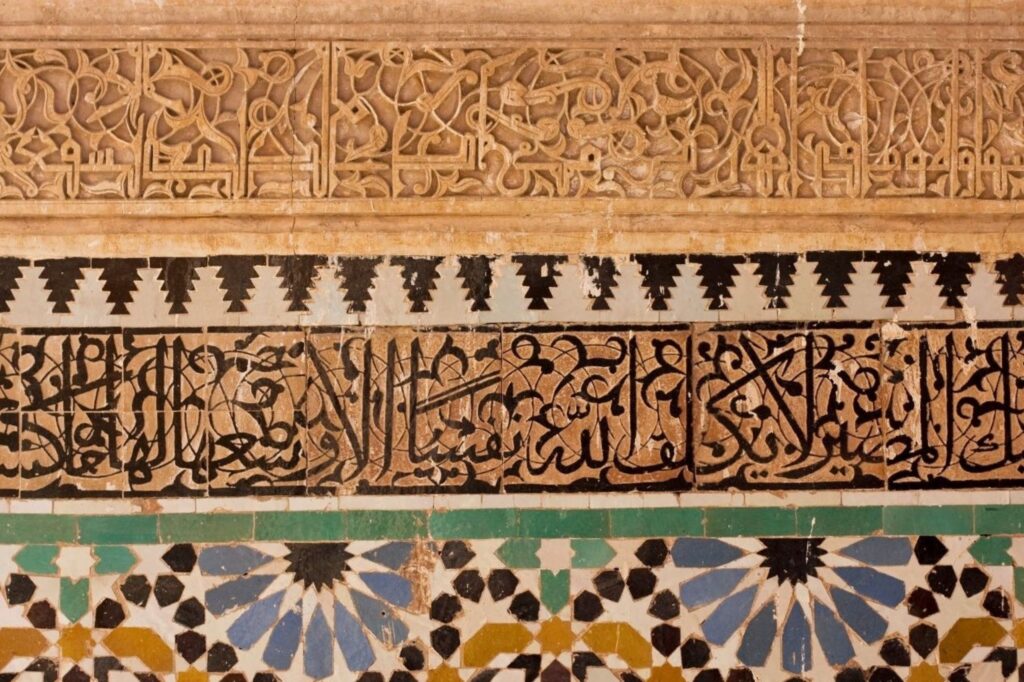
Moroccan calligraphy represents more than mere penmanship—it embodies spiritual devotion and cultural identity. First, the Maghrebi script emerged as North Africa’s distinct calligraphic signature over centuries of artistic evolution. Additionally, traditional Moroccan calligraphy adorns sacred monuments including the Al-Qarawiyyin Mosque in Fez and Koutoubia Mosque in Marrakech.
Furthermore, each carefully constructed letter carries symbolic meaning and spiritual purpose. Moreover, calligraphers practice this art as meditative discipline and religious devotion. For instance, verses from the Qur’an transcribed by hand represent divine connection transformed into visible beauty through ink and paper.
Consequently, Moroccan calligraphy remains essential to national identity despite modernization pressures. Thus, young Moroccans increasingly recognize calligraphy as their cultural inheritance worth preserving through dedicated practice and study.
Workshops, Schools, and Support Programs Reviving the Craft
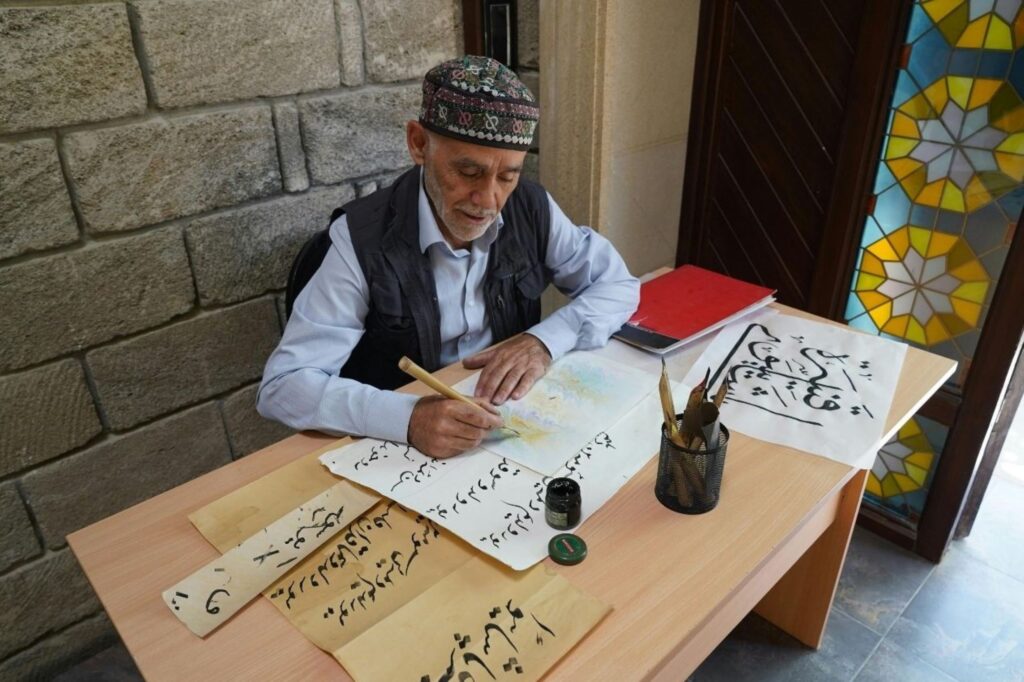
Morocco has established dedicated institutions supporting Moroccan calligraphy education throughout the nation’s major cities. First, the Sarhrij School of Calligraphy in Fez’s old city attracts students from diverse backgrounds seeking traditional training. Additionally, Palais Bab Sahra in Fez offers structured two-hour calligraphy classes with expert instruction for all skill levels.
Moreover, Marrakech Innovation Hub and workshops like Arcallima provide hands-on calligraphy experiences blending tradition with contemporary practice. Furthermore, The Alternative Morocco operates workshops in Marrakech, Fez, and Essaouira teaching beginner through advanced techniques. For instance, students receive traditional qalam pens, premium inks, and quality paper supporting their artistic development.






Meanwhile, private mentorship remains Morocco’s primary educational pathway following centuries-old apprenticeship traditions. Consequently, young Moroccans access comprehensive support systems throughout their calligraphic journeys. Thus, Morocco’s infrastructure ensures aspiring calligraphers never lack mentorship, resources, or community connection.

Conclusion: Moroccan Calligraphy Secures Future Heritage
Moroccan calligraphy demonstrates that tradition thrives when supported by passionate communities and institutional investment. The nation’s rise as a global calligraphy center reflects youth-driven cultural transformation through intentional preservation efforts. Moreover, UNESCO recognition, expanded workshop availability, and growing international interest create optimal conditions for artistic flourishing.
From the Maghrebi script’s elegant curves to Kufic’s geometric precision, styles offer infinite creative expression for dedicated practitioners. Additionally, success stories prove that Morocco’s calligraphy renaissance delivers tangible cultural and economic results. Therefore, aspiring calligraphers should pursue this sacred art through established workshops and mentorship relationships immediately.
Furthermore, Morocco’s commitment to supporting calligraphy through educational programs ensures sustained tradition strengthening future generations. Indeed, the nation’s spiritual heritage, artistic infrastructure, and passionate communities create unmatched advantages for calligraphy study regionally. Explore workshops today, connect with master calligraphers, and begin your transformative artistic journey.
Ready to explore Moroccan calligraphy? Visit Sarhrij School in Fez, experience workshops in Marrakech, and join Morocco’s thriving community of traditional and contemporary calligraphers immediately!







It’s true Moroccan calligraphy represents more than mere penmanship—it embodies spiritual devotion and cultural identity.
مقال رائع يُسلط الضوء على الإحياء الجميل لفن الخط المغربي، خاصة خط المغاربي الأصيل. ومن المُبهج أن نرى الجيل الشاب يحتضن هذا الإرث الروحي. اعتراف اليونسكو بالخط العربي كتراث ثقافي لا مادي يعزز مكانة المغرب عالمياً كمركز لهذا الفن العريق. شكراً على هذا التقدير.
قصة الطالبة فاطمة الزهراء سناء من فاس مُلهمة جداً، وتؤكد على أهمية المدارس والورشات التقليدية (مثل مدرسة السريج) في نقل هذه المهارة التي تتطلب الصبر والانضباط. فن الخط ليس مجرد كتابة، بل هو ممارسة تأملية تُغذي الروح وتُعزز الهوية الثقافية. أتمنى المزيد من ورشات العمل في جميع المدن
حين أتابع عودة الخط المغربي إلى الواجهة، أشعر أن الحروف نفسها تستعيد صوتها. هذا الفن ليس حنينًا إلى الماضي بقدر ما هو تذكير بأن الهوية يمكن أن تتجدد دون أن تفقد جذورها. في كل انحناءة حرف، هناك ذاكرة جماعية تقاوم النسيان.
الخط المغربي اليوم لا يطلب منا أن ننظر إليه، بل أن نتأمله. إنه مساحة صمت وسط ضجيج السرعة الرقمية، ودعوة بصرية للتمهل. ربما لهذا السبب يجد فيه الجيل الجديد لغة مختلفة للتعبير عن ذاته دون كلمات.
La calligraphie marocaine contemporaine me rappelle que la beauté n’est pas toujours dans l’innovation pure, mais dans la réinterprétation. Redonner vie aux formes traditionnelles, c’est aussi une manière subtile de résister à l’oubli culturel.
Es un orgullo ver cómo nuestra caligrafía marroquí está viviendo este renacimiento. No es solo escritura, es el reflejo de nuestra alma y nuestra historia. Ver a los jóvenes artistas mantener viva esta tradición con un toque moderno es simplemente inspirador. ¡Nuestra cultura es infinita! 🖋️🇲🇦
حين يعود الحرف إلى الحياة، لا يكون مجرد كتابة… بل نبض هوية يستيقظ من جديد ✨🖋️ فجميل أن نرى شباب المغرب يعيدون للخط روحه، يمزجون بين قدسية الماضي وجرأة الحاضر، وكأن كل حرف يقول: ما زلنا هنا نحكي تاريخنا بالجمال � 💫
Quel article fascinant sur le renouveau de la calligraphie marocaine ! C’est admirable de voir comment cet art ancestral s’adapte à notre époque tout en conservant son élégance unique. La fusion entre tradition et design moderne offre une perspective magnifique sur notre identité culturelle. Merci pour ce voyage artistique qui prouve que notre patrimoine est plus vivant que jamais en 2025