
Planning your Ramadan nutrition helps Moroccans to maintain their energy levels and health throughout the holy month. Balanced iftar and suhoor meals prevent fatigue and support spiritual focus. This guide provides practical meal planning strategies based on Moroccan culinary traditions. Proper Ramadan nutrition can indeed enhance both physical wellness and the spiritual experience.
Why Does Ramadan Nutrition Matter for Moroccans?
Proper Ramadan nutrition prevents common fasting challenges like headaches and low energy. Furthermore, balanced meals help maintain stable blood sugar levels throughout the day. This stability supports prayer, work, and family activities during the month.

Additionally, thoughtful eating patterns during iftar prevent digestive discomfort and bloating. Many Moroccans struggle with overeating after long fasting hours end. Strategic Ramadan nutrition planning helps you eat mindfully and comfortably.
Meanwhile, traditional Moroccan foods offer excellent nutritional value when prepared correctly. For instance, harira, dates, and whole grains provide sustained energy. These cultural foods fit perfectly into healthy Ramadan nutrition plans.
What Makes a Healthy Iftar Meal?
Breaking your fast properly sets the foundation for good Ramadan nutrition habits. Moreover, starting with dates and water follows Prophetic tradition while providing quick energy. This combination rehydrates your body and raises blood sugar gently.
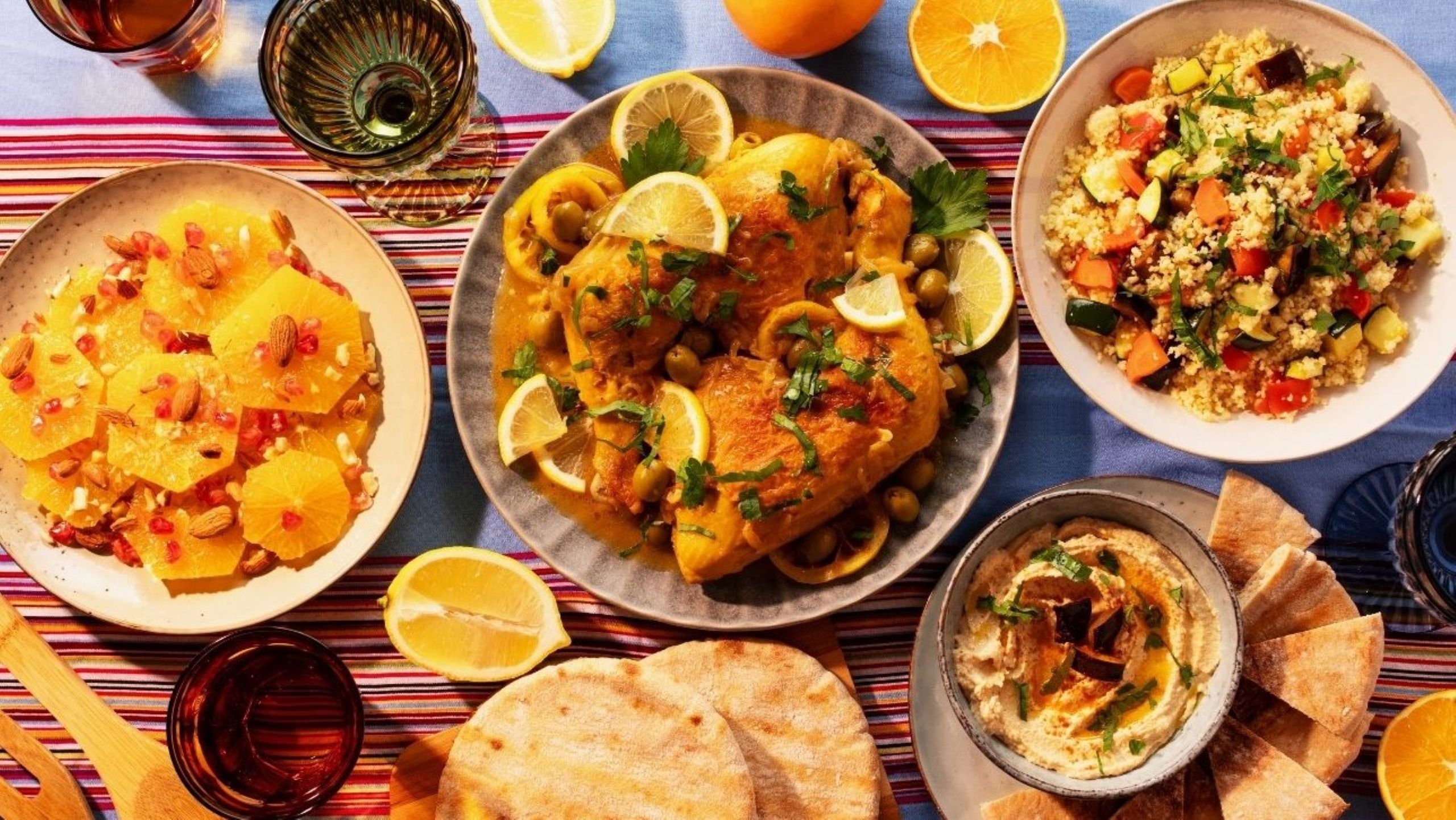
Additionally, a balanced iftar includes protein, complex carbohydrates, and healthy fats. For example, harira soup with whole grain bread offers complete nutrition. Add grilled chicken or fish with vegetable tagine for satisfying meals.
Avoid fried and overly sweet foods during iftar whenever possible nowadays. Indeed, these foods cause energy crashes and digestive issues later. Choose baked, grilled, or steamed preparations for better Ramadan nutrition outcomes.

How Do You Plan Nutritious Suhoor Meals?
Suhoor meal planning requires foods that provide long-lasting energy until iftar. Furthermore, complex carbohydrates and protein combinations work best for sustained fullness. These nutrients digest slowly and maintain stable blood sugar levels.
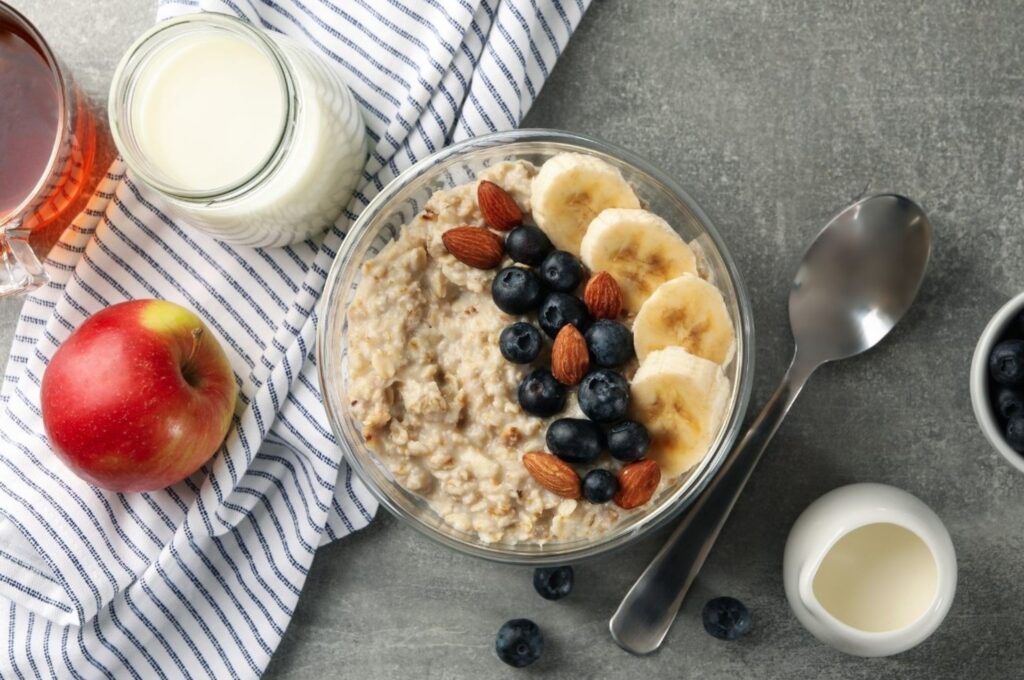
Additionally, include high-fiber foods in every suhoor to prevent hunger. For instance, whole grain msemen with eggs and vegetables satisfies completely. Oatmeal with nuts and fresh fruit also provides excellent suhoor nutrition.
-
Hydration during suhoor proves just as important as food choices. Specifically, drink at least two glasses of water before fajr prayer. Avoid salty foods that increase thirst during the fasting day.

Real Success: Ramadan Nutrition Transformation
Fatima Benali, Nutritionist, Casablanca
“I noticed clients struggling with energy and weight gain during Ramadan annually. They ate too much fried food at iftar and skipped suhoor completely. I created simple meal plans using traditional Moroccan recipes with healthier cooking methods.
My clients now report better energy levels and improved digestion throughout Ramadan. Many actually lose excess weight while fasting comfortably. The key is balanced Ramadan nutrition with foods they already love.”
Ramadan Nutrition: Healthy Iftar Recipes and Suhoor Meal Planning
Planning your Ramadan nutrition helps Moroccans to maintain their energy levels and health throughout the holy month. Balanced iftar and...
Moroccan Street Food: Local Favorites Guide
Street food represents Morocco's vibrant culinary culture offering authentic flavors at affordable prices throughout medinas and souks. Furthermore, traditional vendors...
What Are the Best Moroccan Iftar Recipes?
Traditional Moroccan dishes adapt beautifully to healthy Ramadan nutrition principles. Moreover, these recipes honor cultural preferences while supporting wellness goals. Small modifications make favorite foods even more nutritious.
Healthy Harira Soup:
- Use lean lamb or chicken instead of fatty cuts
- Add extra lentils and chickpeas for protein and fiber
- Include tomatoes, celery, and fresh herbs abundantly
- Serve with whole wheat bread instead of white
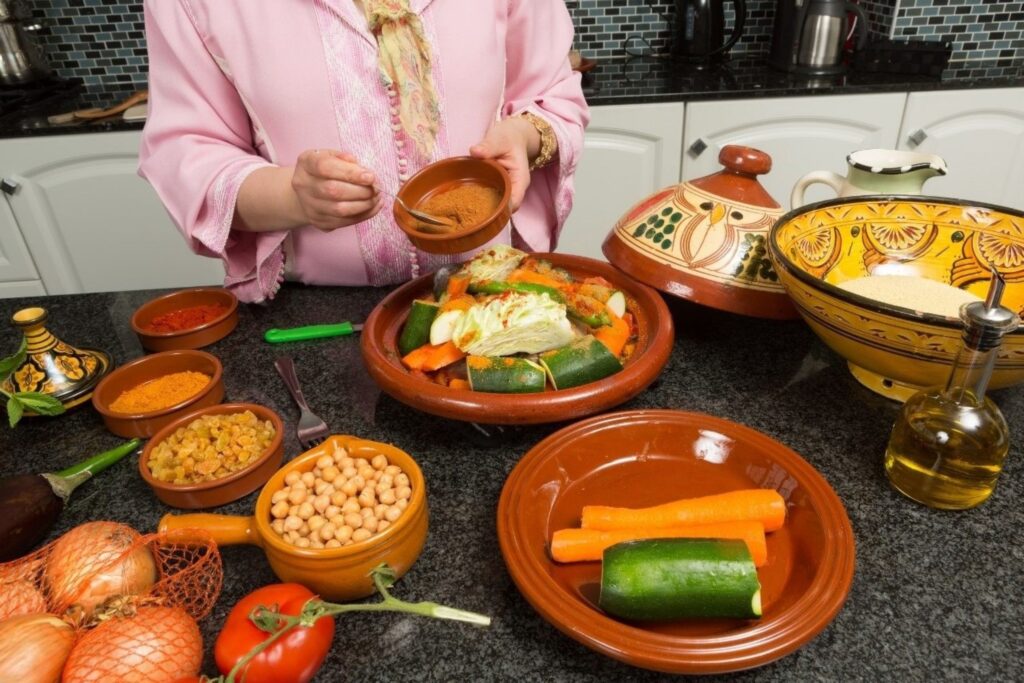
Nutritious Chicken Tagine:
- Choose skinless chicken breast or thighs for protein
- Load with vegetables like carrots, zucchini, and peppers
- Use olive oil sparingly with Moroccan spices generously
- Serve over quinoa or brown rice alternatives
Balanced Vegetable Briouats:
- Bake instead of deep-frying for fewer calories
- Fill with spinach, cheese, and herbs for nutrients
- Brush with olive oil lightly before baking
- Serve with fresh salad on the side

How Do You Maintain Ramadan Nutrition Throughout the Month?
Consistency matters more than perfection in Ramadan nutrition throughout the month. Furthermore, planning meals weekly prevents last-minute unhealthy food choices. Prepare ingredients in advance when possible for easier cooking.
Additionally, portion control at iftar helps prevent overeating and discomfort. Indeed, use smaller plates and eat slowly while enjoying company. This mindful approach improves digestion and satisfaction significantly.
Stay active with light exercise like walking after taraweeh prayers. Moreover, movement aids digestion and maintains energy levels during Ramadan. Avoid intense workouts that cause excessive thirst or fatigue.
Conclusion: Ramadan Nutrition Supports Spiritual and Physical Wellness
Plan your Ramadan nutrition in advance to transform your fasting experience across Morocco in 2026. Moreover, balanced iftar and suhoor meals provide the energy needed for worship and activities. Traditional Moroccan foods are delicious and nutritious when prepared with health in mind.
Therefore, start planning your Ramadan nutrition strategy before the blessed month begins. Focus on whole foods, proper hydration and mindful eating habits. Good Ramadan nutrition honours your body while deepening your spiritual focus.
Ready to improve your fasting experience? Choose three healthy recipes to rotate this Ramadan.
Useful Resources for Moroccan Health & Nutrition


رمضان يعلّمنا أن الاعتدال ووعي الاختيار هما سرّ التغذية السليمة 🌙✨. إفطار خفيف وسحور متوازن يمنحان الجسد طاقة هادئة ويجعلان الصيام راحة لا عبئًا 🥗💧. فحين نحسن تدبير طعامنا، نصغي أكثر لحكمة أجسادنا 🤍.
مقال قيم ونصائح غذائية في غاية الأهمية. شكراً لأسرة المجلة على هذا الدليل الشامل الذي يساعدنا على تبني عادات صحية سليمة. مجهود رائع ومقدر
دائماً ما تفيدنا المجلة بمواضيع تواكب احتياجاتنا. المعلومات المقدمة حول النظام الغذائي ممتازة وعملية جداً. بالتوفيق لكم في نشر المزيد من هذا المحتوى الهادف.
مقال مفيد جداً يقدم نصائح عملية للحفاظ على التوازن الغذائي. شكراً للمجلة على هذا المحتوى القيم الذي يساعدنا على الاهتمام بصحتنا بشكل أفضل وبطريقة مبسطة.
Excelente guía! Mantener una buena alimentación durante el Ramadán es clave, y me encanta cómo este artículo adapta los consejos nutricionales a la deliciosa comida marroquí. ¡Definitivamente tendré en cuenta estas recomendaciones para el Iftar! Gracias por compartir
Great article! It can be quite a challenge to eat healthy during Ramadan with all the delicious Moroccan food around. This guide is really helpful for planning balanced Iftar meals without missing out on our traditional dishes. Thanks for the tips
التغذية السليمة في رمضان أمر ضروري، ووجود دليل يجمع بين أطباقنا المغربية الأصيلة والنصائح الصحية المتوازنة هو بالضبط ما نحتاجه. شكراً على هذا المحتوى القيم والمجهود الرائع.
مع الجرا د الخدمة والواحد كيكون فمدينة خرى بعيد على عائلتو، كيتلف ليه الحساب فماكلة د رمضان. هادشي لي مكتوب هنا منطقي وكيعاون باش بنادم يقاد فطور صحي بوحدو، وميبقاش يعتمد غير على داكشي د الزنقة ولا التخلاط لي كيضر فالمعدة.
Some genuinely nice and useful information on this website, besides I believe the design and style has got great features.