

Gluten free eating in Morocco is one of those things that sounds harder than it really is, especially when August arrives and the country bursts into festival season.
Why August is the richest month for food exploration
The peak festival season in Morocco runs from May through August, with many major events taking place across those months. August, in particular, brings a concentration of outdoor moussems, coastal celebrations, and weekly souks to life. In Asilah, for example, the famous festival transforms this Atlantic coastal town into an open-air gallery, with international artists, music, and cultural markets filling the streets. Food is central to all of it.
At these gatherings, you can participate directly, whether by tasting authentic Moroccan dishes at a street market or joining in traditional processions. For gluten free visitors or residents, the key is knowing which stalls and dishes to approach. The good news is that Moroccan cuisine contains a remarkable number of naturally safe options.
Naturally gluten free dishes to look for at every stall
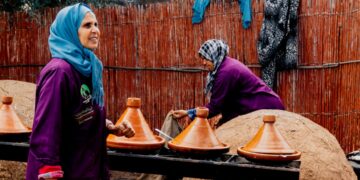
Moroccan cuisine, rooted in naturally gluten free ingredients like lamb, spices, and legumes, offers a wide range of options for celiac-friendly eating. At outdoor market stalls, you will find tagine cooked low and slow with vegetables, preserved lemon, and olive oil. Tagines and grilled meats are naturally gluten free but are often served with khobz, the traditional Moroccan bread. Ask your vendor to serve your portion without the bread on the side.
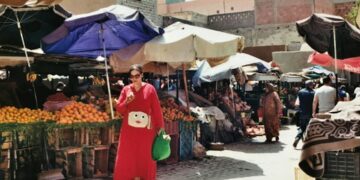
Zaalouk, an eggplant and tomato salad, and taktouka, a spiced green pepper salad, require only olive oil and spices for depth. Both appear regularly at market food stalls in summer. Souks also have stalls with fresh and dried fruit and nuts, as well as vegetables, olives, meat, and fish. These are safe, satisfying, and affordable snacks throughout a long festival day.
One dish requires extra attention. Harira soup is beloved, but the classic version contains flour as a thickener. Always ask whether flour was added. Some cooks prepare it without, and a quick question is all it takes.
How to communicate your needs clearly
General awareness of gluten and celiac disease is still relatively low in Morocco compared to many Western countries. This does not mean vendors are unhelpful. It means you need to speak their language, literally. When speaking about your dietary restriction in Morocco, rephrase it in more commonly understood terms such as bread, wheat, pastry, and flour, rather than using the word gluten alone.
The word for allergy in Moroccan Arabic is hassasiya. The word for wheat is gemah, and wheat flour is d’geg. Write these words on a small card before you leave home. Carrying an allergy card in French and Darija explaining your intolerance can make a significant difference when navigating restaurants and street food vendors. Vendors at festivals respond warmly when you make a genuine effort to communicate in their language.

Expert perspective on eating safely at Moroccan markets
Navigating food markets in Morocco as a gluten free visitor requires a mindset shift. The cuisine is not designed against you. Many of the most traditional dishes, stewed meats, grilled fish, olive and vegetable salads, spiced legumes, and fresh fruit, have no gluten at all. The challenge is cross-contact and hidden thickeners, not the core cooking tradition. Vendors at August festivals are usually open to questions when you approach them calmly and with specific vocabulary rather than a broad term like gluten. Preparation, a printed allergy card in Darija, and a willingness to stick to the simplest, most recognizable dishes will carry you through every souk and outdoor event with confidence.
Industry perspective, food tourism and dietary travel professionals in Morocco
Where to shop smart before and during festival days
In most cities in Morocco, you can find a Marjane or a Carrefour market with a separate gluten free section offering alternatives including wraps, crackers, and sliced bread. Stock up on these items the morning before you head to a festival. They give you a backup if market options feel uncertain. Markets and bio shops like Naturia BioShop are also a good source of gluten free treats and pantry items.
Local fruit and vegetables at souks are extremely affordable, and they are naturally safe. Build your festival eating around whole, unprocessed foods from market produce stalls. Note that local souks often run only one day a week, so plan around the market schedule in each town you visit. A little advance research on souk days saves time and avoids hunger.
One reliable strategy is to choose a self-catering option for your stay. Travelers in a riad can work with the kitchen staff to prepare gluten free meals each morning. A strong breakfast from a prepared kitchen sets you up to explore festivals with much more flexibility.



Enjoy every moment of Morocco’s festival season
Gluten free eating in Morocco is genuinely possible, and August is a beautiful month to test that confidence. Gluten free travel in Morocco is not only doable, it is enjoyable and largely stress-free with the right preparation. Go to the festivals. Walk the souks. Order the tagine without the bread. Ask about the harira. Carry your allergy card and keep fresh market snacks close. Gluten free living does not ask you to step back from Moroccan culture. It simply asks you to step into it with a little extra knowledge. Morocco’s hospitality is generous, and that generosity extends to every table, every stall, and every open-air market under the August sky.
Discover more about gluten free
- No Wheat, No Worries: A Gluten-Free Guide for Foodies in Morocco
- My Essential Gluten Free Guide to Morocco (Legal Nomads)
- Traveling Gluten-Free in Morocco: A Practical Guide for Celiacs