
Moroccan street food is one of the great joys of living in or visiting this country, but if you avoid gluten, the medina can feel like a maze of delicious uncertainty. Bread is everywhere. Pastries fill every window. Yet hidden in plain sight are ancient, wheat-free snacks that generations of Moroccans have eaten without a second thought. Here are 6 you can pick up with full confidence.
Brochettes: the grill is your friend
Few smells in Morocco are as welcoming as charcoal smoke and spiced meat rising from a street grill. Brochettes are skewers of marinated lamb, beef, or chicken, grilled over an open flame. The meat is cut into tender chunks and marinated in a blend of spices including cumin, paprika, turmeric, and coriander, which infuse each piece with deep, aromatic flavor.

The marinade contains no wheat. The grill contains no flour. Kefta, grilled chicken, and similar grilled meats are common Moroccan street foods and are all naturally gluten-free. Order the skewers on their own, skip the khobz bread on the side, and you have a clean, protein-rich snack from any corner of the medina.
One practical note: merguez sausage is sometimes served alongside brochettes, but wheat can be used as a filler in those, so it is safer to avoid them. Stick to the plain skewers and you are well covered.
Bissara: the bowl that built a nation
Walk through the medina on a cool morning and you will find someone serving bissara from a large, steaming pot. Moroccan bissara is a traditional soup made from dried fava beans. The beans are soaked overnight and boiled with water, garlic, and olive oil until soft. The soup is pureed to a smooth and creamy consistency, then seasoned with salt, cumin, and paprika. It is typically served hot and garnished with olive oil.
This fava bean puree is often served for breakfast in winter months. Topped with olive oil and sometimes a pinch of hot pepper, it is filling, nutritious, and gluten-free. Ask the vendor to serve it in a cup or small bowl without bread. Most vendors are happy to do this.
Bissara is one of the most affordable Moroccan street food options you will find. In Chefchaouen, bissara is king, and the preparation reflects the honest, simple cooking of mountain life. In Fez, Rabat, and Casablanca, the same bowl appears at dawn, feeding workers who have eaten this way for centuries.
Kalinti: chickpea flour magic from the north
Kalinti is a street food snack commonly found in northern Morocco. It is naturally gluten-free and made with chickpea flour. It is a savory dish made from chickpea flour and egg, similar to a flan or a quiche, and is often sold hot by the slice as a street food.
It appears in Tangier and Chefchaouen, bought from a cart in the medina and served with heavy doses of paprika and cumin. The texture is soft and custardy, the flavor is earthy and warm. Vendors dust each slice with spices and hand it to you wrapped in paper.
The name kalinti comes from the Spanish word for hot, which reflects the long history of cultural exchange in northern Morocco. It is said that the Jewish community that settled in Morocco introduced this snack to its shores, making it a genuine piece of living heritage you hold in your hand. Eat it warm. That is when it is best.
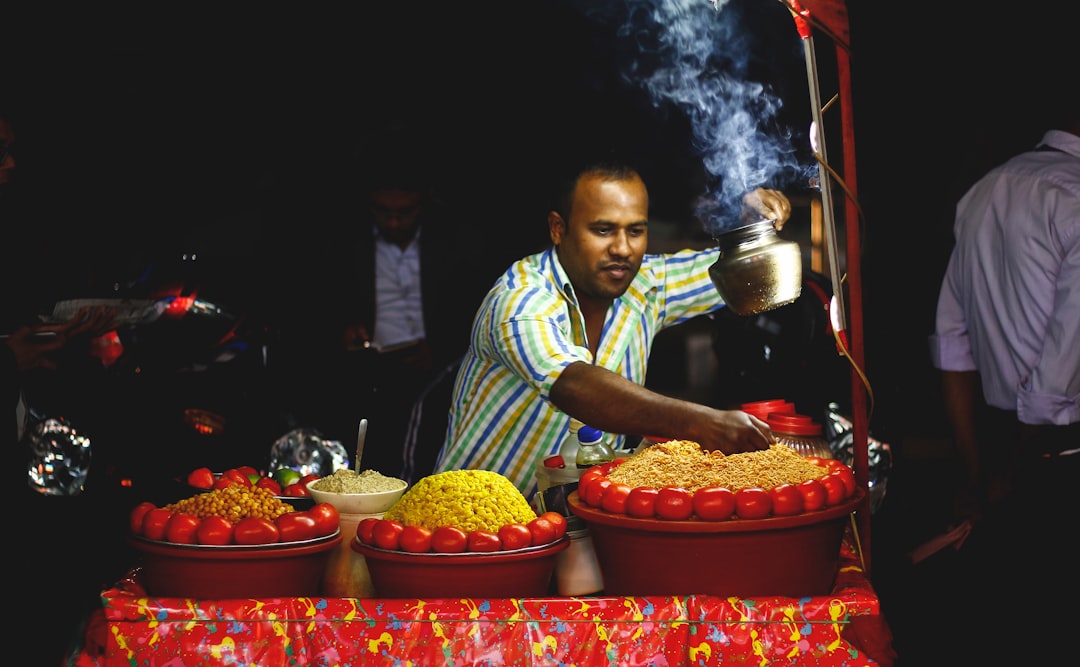
Expert perspective on traditional Moroccan food and dietary awareness
Morocco’s culinary roots are built on whole ingredients: legumes, olive oil, fresh herbs, slow-cooked meat, and ancient spices. Most traditional street recipes were never designed with wheat in mind. Wheat entered the daily picture primarily through bread, which developed separately as a communal staple. This means that a very large portion of what vendors have sold in the medina for generations is naturally free of gluten, not because of any modern dietary trend, but because of the ingredients available and the cooking methods used. The distinction matters for travelers and residents alike. When you understand this, navigating Moroccan street food with a gluten intolerance becomes less intimidating. You are not looking for exceptions. You are following the original logic of the cuisine.
Industry perspective, food culture and culinary heritage professionals in Morocco
Zaalouk: a dip, a snack, a whole tradition
Zaalouk is a salad made of cooked eggplant and tomato, intended to be eaten as a dip. Like most Moroccan salads, this one is naturally gluten-free. Street vendors and small cafe kitchens serve it in small portions, often still warm from the pan.
The preparation uses olive oil, garlic, cumin, paprika, and coriander. Nothing in that list contains gluten. Most traditional Moroccan spices and spice blends are naturally gluten-free, which means zaalouk and similar cooked vegetable preparations are safe by their very nature. Order a portion with a fork and enjoy it as a stand-alone snack.




Beyond its clean ingredient list, zaalouk represents something beautiful about Moroccan food culture. It transforms 2 humble vegetables into something complex and satisfying. You find it across the country, from Agadir to Nador, each version slightly different, each one a reflection of the family or vendor behind it.

Grilled sardines: coastal Morocco on a plate
Morocco is the world’s largest exporter of sardines, making the little fish a street food staple. Along the coasts of Essaouira, Agadir, Tangier, and Casablanca, vendors grill fresh sardines over charcoal and serve them immediately. The sardines can be marinated in different sauces or chermoula and are either deep-fried or grilled.
For the naturally gluten-free version, always choose the grilled option. Fried sardines are sometimes coated in flour before cooking, which adds gluten. Chermoula is a mixture of herbs, spices, and lemon juice with no wheat involved. Ask specifically for sardines grilled with chermoula and without any flour coating.
Grilled fish and sardines are common natural street foods in Morocco and are naturally gluten-free. At a coastal stall, a portion costs only a few dirhams. The fish is fresh, the spices are bold, and the experience is completely authentic Moroccan street food at its finest.
Fresh fruit and juice: always safe, always there
Marketplaces called souks have stalls with fresh and dried fruit and nuts as snacks. Fresh fruit is always served in Morocco and you will find it available at any time of day. Juice bars operate across every major city, and their menus are almost entirely gluten-free by nature.
Orange juice pressed to order is a Moroccan institution. Banana and avocado blends, strawberry juices, and mixed fruit smoothies fill the menus of small street stalls from Marrakech to Meknes. Fresh fruit and juices are sweet, hydrating, and naturally gluten-free. They are also an ideal option when you are unsure about other vendors nearby.

Carry this knowledge with you through every market and every alley. Moroccan street food, at its core, is built on honest, whole ingredients that have fed people for centuries without any need for wheat.
These snacks show what Moroccan street food truly is
Moroccan street food has always been rooted in clean, whole ingredients. These 6 snacks prove that eating gluten-free here is not a compromise. It is a return to the original flavors of Moroccan street food as it has existed for generations. From the charcoal grill to the chickpea oven, from the sardine coast to the fava bean pot, these options are everywhere and open to everyone. Explore them with confidence. Ask vendors to skip the bread on the side. Use the Darija phrase “bila dgeg” (without flour) when you need to be specific. Moroccan street food is yours to enjoy fully, safely, and deliciously.
Discover more about Moroccan street food
- Morocco Tourism Official Portal: Food and Gastronomy
- Morocco World News: No Wheat, No Worries: A Gluten-Free Guide for Foodies in Morocco
- Moroccan Street Food Guide