
Street food in Morocco is a daily ritual, a sensory map of who we are, and this summer it deserves both your full appetite and your full attention.
The best street food dishes to eat safely in summer
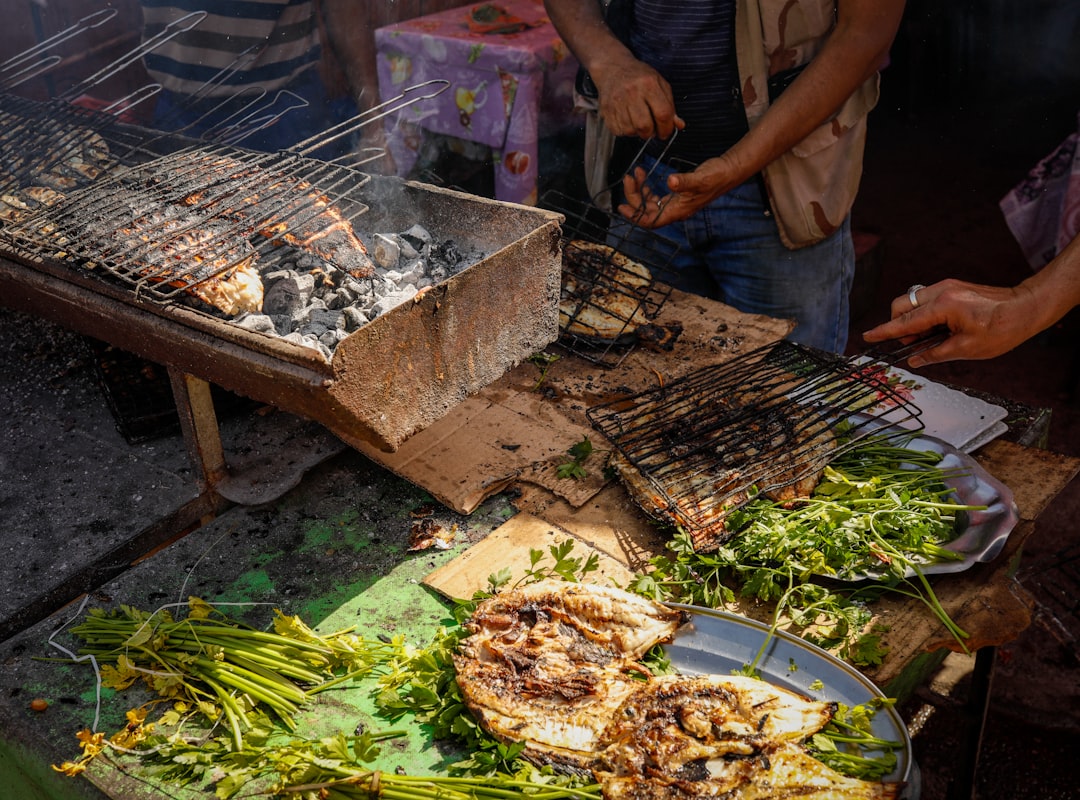
Street food is part of everyday life in Morocco. Locals eat it on the way to work, after school, and late at night. The good news is that many classic dishes carry a natural safety advantage: they arrive directly from a flame. Brochettes, grilled sardines, and merguez are cooked to order over hot charcoal. That heat destroys most harmful bacteria before the food reaches your hand.

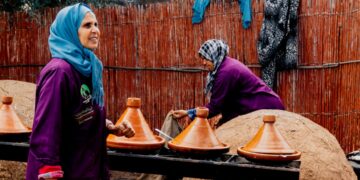
Grilled meats, freshly baked bread, and hot tajines are among the safer choices in Morocco. Msemen, the flaky semolina flatbread, is griddled fresh and eaten immediately. Harira, the thick tomato and lentil soup, simmers for a long time and arrives piping hot. Zaalouk, taktouka, cooked carrots, lentils, and beans are full of flavor and are usually easier to enjoy without much worry.
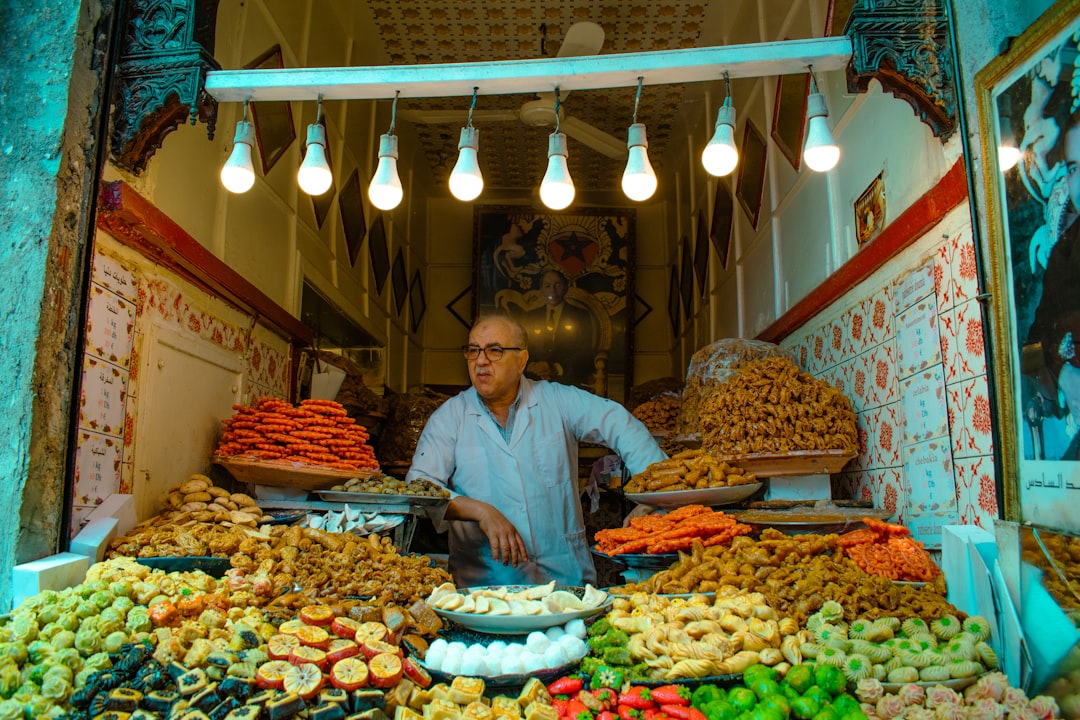
In summer specifically, the rule is simple: heat is your ally. Avoid anything that sits uncovered in direct sun. Carts full of traditional cookies look attractive on the street, but those items may have been exposed to sun for extended periods, and their quality is not as good as those found in actual bakeries. The same logic applies to any pre-made pastry displayed in open air.
How to read a vendor before you order
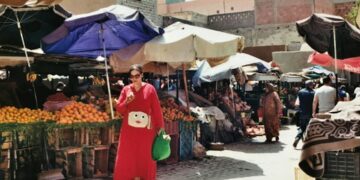
What matters is not only the food itself, but how and where it is prepared. When you see a small stall with people standing around, food being cooked constantly, and everything coming off the grill hot, that is usually a good sign. This is the oldest quality signal in any medina in Morocco.
More popular stalls are likely to have higher turnover and fresher ingredients. A busy vendor sells more, restocks more, and leaves food sitting for less time. Contrast that with a quiet stall near a tourist entry point. The lower turnover there often means older ingredients and slower preparation standards.
Keep your eyes out for vendors who handle food with gloves and utensils rather than bare hands, and who cook food over visible heat. Improved food safety practices, including the use of gloves, hairnets, and appropriate utensil sanitation, are directly associated with lower levels of microbial contamination. You can observe all of this in under 30 seconds before you order.
What the research says about summer hygiene risks
The science behind street food safety in Morocco is now clearer than ever. Microbiological analyses conducted on 224 ready-to-eat food samples found that 21% were non-compliant with Moroccan food safety standards, with Escherichia coli and fecal coliforms identified as the predominant contaminants. That figure is not a reason to avoid street food. It is a reason to choose it carefully.
Environmental factors, particularly the cleanliness of vending sites, showed a strong correlation with elevated microbial loads. These findings highlight the pivotal role of hygienic practices and environmental conditions in reducing foodborne risks. In practical terms: the physical space around a vendor tells you as much as the food on the grill. A clean surface, covered ingredients, and proper waste management all signal a safer experience.
Morocco’s hot summers, especially in inland cities and desert regions, require constant attention to heat exposure. Dehydration can occur quickly in temperatures exceeding 40 degrees Celsius during summer months. Food spoils faster in those conditions too. This is why the advice to choose freshly cooked items over pre-made ones matters more in July and August than at any other time of year.




Expert perspective on food safety in Morocco
Morocco’s food safety system has made real progress at the export and industrial level, but the final part of the chain remains the most fragile. Street food vendors often operate without access to practical training, written in everyday language, that matches the reality of their work. The rules exist, but they are written for large businesses, not for a man grilling brochettes in Derb Omar or a woman serving harira in the Fes medina. What changes behavior is not more regulation on paper. It is accessible knowledge, delivered in Darija, that respects the intelligence and the constraints of the vendor. When vendors understand why hygiene matters, not just that it is required, the entire chain benefits. Consumers also carry responsibility. Choosing clean, busy, well-lit stalls and asking for freshly cooked food sends a clear signal about what the market values.
Industry perspective, food safety and public health professionals in Morocco
Drinks, water, and the ice question
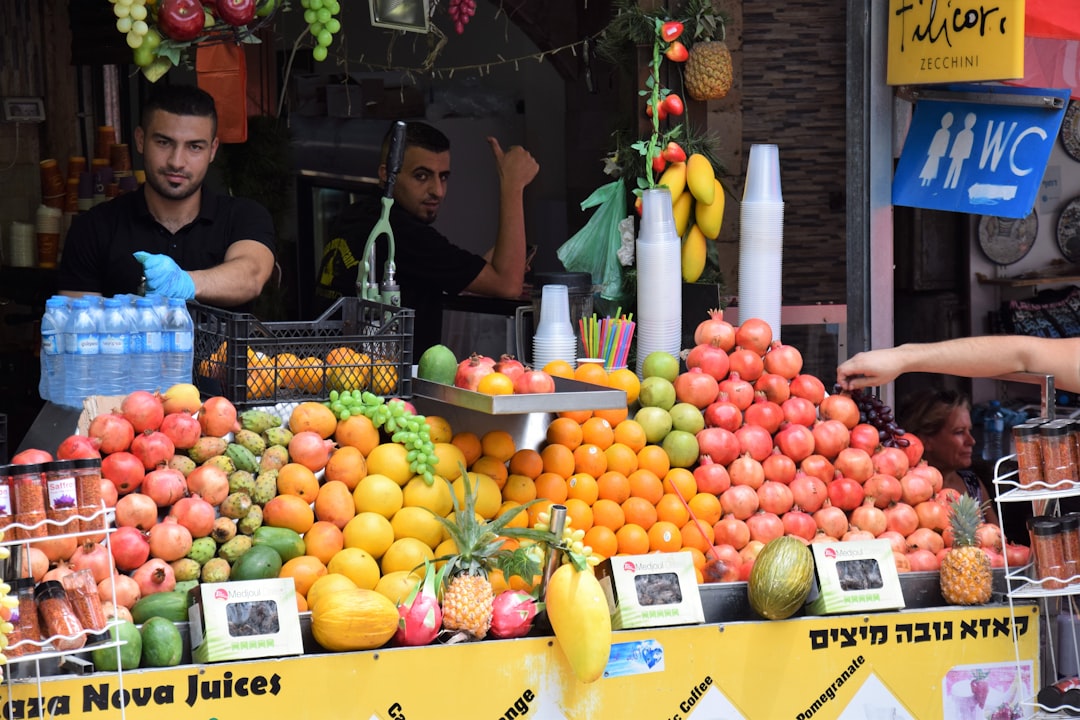
Many people focus on food and forget that drinks carry equal risk in summer. Moroccan juice stands are legendary and delicious, from the elaborately arranged fruit displays in Djemaa El Fna to small stands in every medina corner. On a hot day, fresh pomegranate or orange juice is hard to improve upon.
Ice or water added to juice can be risky for some visitors. Choose fresh juices at stands where you can see the fruit cut and squeezed in front of you. In good hotels, riads, and trusted restaurants, ice is usually fine. In small local places or street stalls, ice may be made from tap water. When in doubt, ask for your drink without ice. This one habit removes a significant variable in summer.
Mint tea is a safer default. Many visitors avoid tap water but drink Moroccan mint tea every day without any issue. The boiling process during preparation makes it a reliable and deeply Moroccan choice at any hour of the day.
Street food safety is a form of respect for the culture
Street food in Morocco is not a backup option. It is where the real culinary identity of the country lives, from the snail soup stalls of Casablanca to the maakouda sandwiches of Rabat. Understanding street food safety is how you honor that identity, not how you fear it.
This summer, let street food be part of your daily rhythm. Choose hot and freshly cooked items. Follow the locals to the busiest stalls. Watch for clean preparation and proper handling. Street food is where you discover the real Morocco, and knowing where to go makes all the difference.
The vendors who take care of their stalls take pride in their craft. Supporting them with your presence and your dirham is one of the most meaningful things you can do for Moroccan street food culture. Eat confidently, eat responsibly, and let every bite remind you why street food in this country is worth every careful choice.
Discover more about street food
- ONSSA: Morocco’s National Office for Food Safety
- Evaluation of Food Safety Practices and Microbiological Quality of Street Foods in Marrakech, Morocco (Food Science and Nutrition, 2025)
- Hidden Dangers on the Moroccan Plate: Challenges and Gaps in Morocco’s Food Safety System (Morocco World News, 2025)