
Summer cooking in Morocco carries the same love as winter tagines, just lighter, faster, and shaped by the sun outside the kitchen window.
When the tagine stays on the shelf
Summer cooking in Morocco changes the kitchen in ways that no recipe book fully captures. Temperatures in cities like Marrakech and Fez regularly exceed 38 degrees Celsius between June and August. Standing over a clay tagine pot for 2 hours is simply not practical for most families. So Moroccan cooks do what they have always done: they adapt.

This seasonal shift is not a loss. It is a different kind of skill. Mothers, grandmothers, and young home cooks all share the same goal: feed the family well without making the kitchen unbearable. The solution lives in the same pantry, the same spices, and the same love for good food.
The tagine does not disappear entirely. Families still prepare it on cooler evenings, or early in the morning before the heat builds. But summer cooking in Morocco means the tagine shares its place with faster, lighter, and cooler options.
Salads become the center of the table
In summer, Moroccan salads move from side dish to main event. In a traditional Moroccan meal, you might have 3 or 4 of these salads on the table at once, all meant for scooping with fresh bread. This habit suits summer perfectly because salads require less active cooking time and generate far less heat.
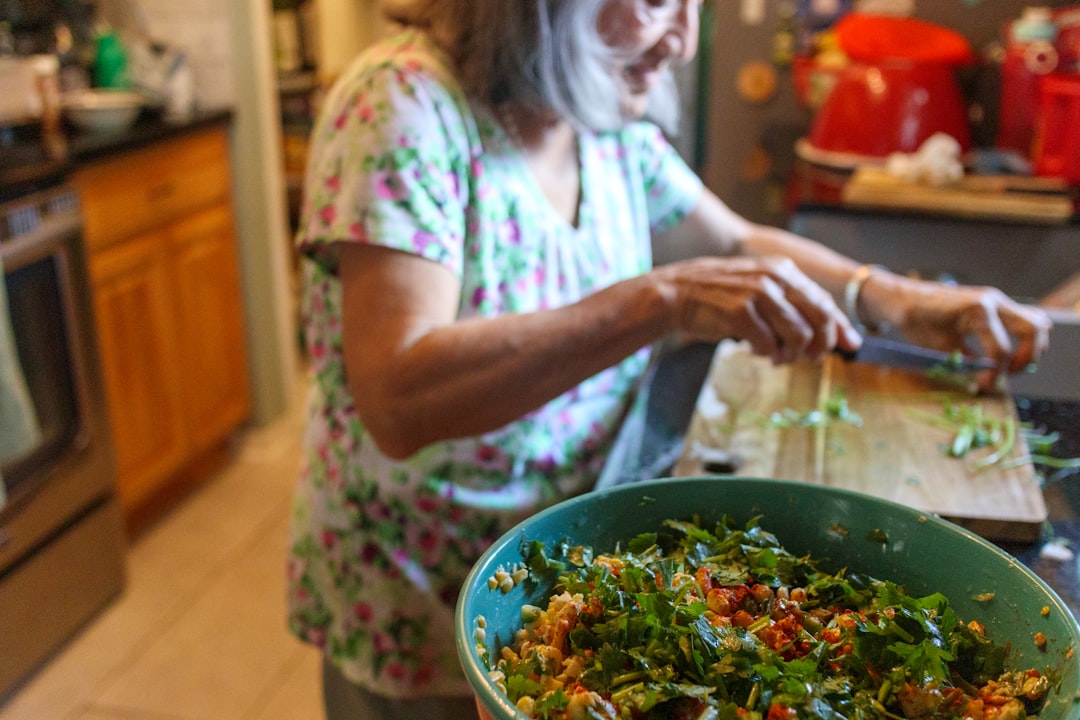
Zaalouk is a cooked Moroccan salad made from eggplants and tomatoes. Like many other Moroccan salads, it is often eaten as a dip. Families prepare a large batch in the morning, let it cool, and serve it throughout the day. Key to zaalouk’s great flavor is the traditional Moroccan seasoning of cumin and paprika with garlic, cilantro, parsley, and olive oil. These are the same spices used in winter tagines, so the flavor connection to heritage stays strong.
In Morocco, cooked salads are more common than raw ones, and many are made with chermoula. Options include cauliflower zaalouk, carrots with chermoula, and taktouka, a cooked salad with green peppers and tomato sauce. Each of these dishes uses the stovetop for only a short time, which is exactly what summer cooking in Morocco demands.
Grilling replaces the slow pot
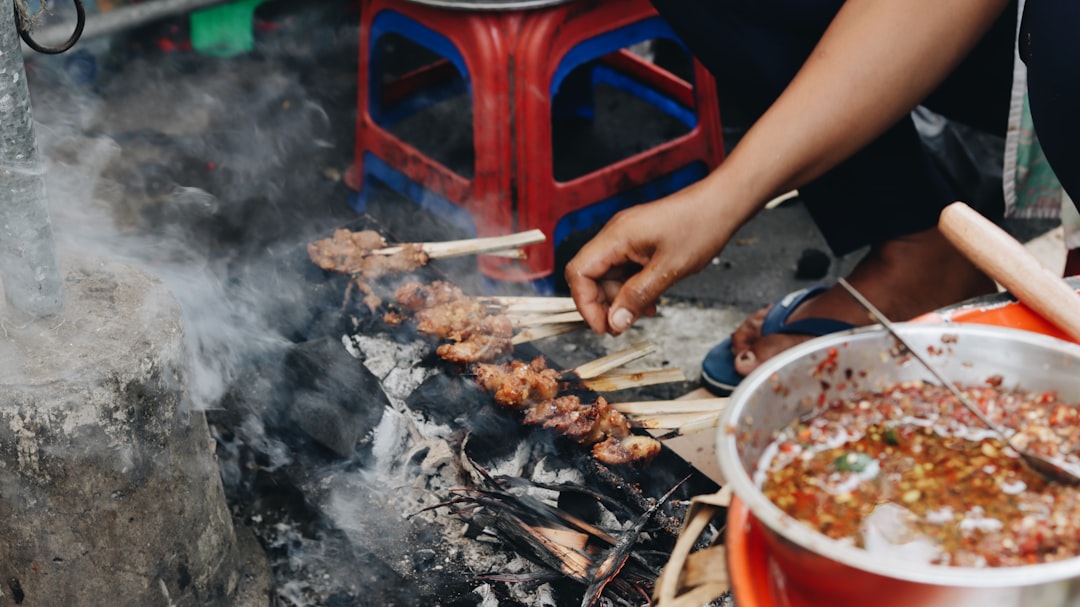
When Moroccan families want warm food in summer, they move outside. Charcoal grilling is a strong tradition across Morocco, and summer amplifies it. Street food favorites like kefta skewers are typically grilled and served with bread and condiments. At home, families do the same: a small charcoal grill in the courtyard or on the rooftop terrace produces big flavor with no indoor heat.
Chunks of chicken, lamb, or beef are seasoned and grilled on long skewers, called brochettes, and served with a side of rice, fries, salad, and Moroccan bread. This meal comes together in under 20 minutes. Compare that to a 2-hour tagine session, and the choice on a 40-degree afternoon becomes clear.
Fish also plays a bigger role in summer. Grilled sardines with chermoula are popular along the Atlantic and Mediterranean coasts. Characteristic flavorings like preserved lemon, argan oil, and olive oil work just as well on grilled fish as they do in a slow-cooked stew. The flavor profile stays Moroccan even when the method changes completely.
Expert perspective on seasonal kitchen intelligence
Summer cooking in Morocco is not improvisation. It is the expression of a very deep food intelligence that has been built over generations. Moroccan cooks understand that the season dictates the method, not the other way around. When temperatures rise, the kitchen responds with dishes that use the season’s best produce, require less fuel, and create less heat indoors. Cooked salads, grilled meats, cold dips, and fresh fruit are not shortcuts. They are deliberate choices that reflect the same values as a winter tagine: generosity, flavor, and care for the people at the table. This seasonal flexibility is one of the most underappreciated qualities of Moroccan culinary culture.
Industry perspective, food culture and culinary heritage professionals in Morocco
Fresh produce drives the season
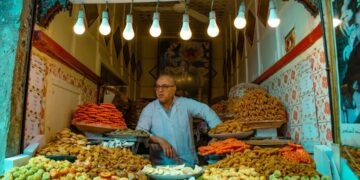
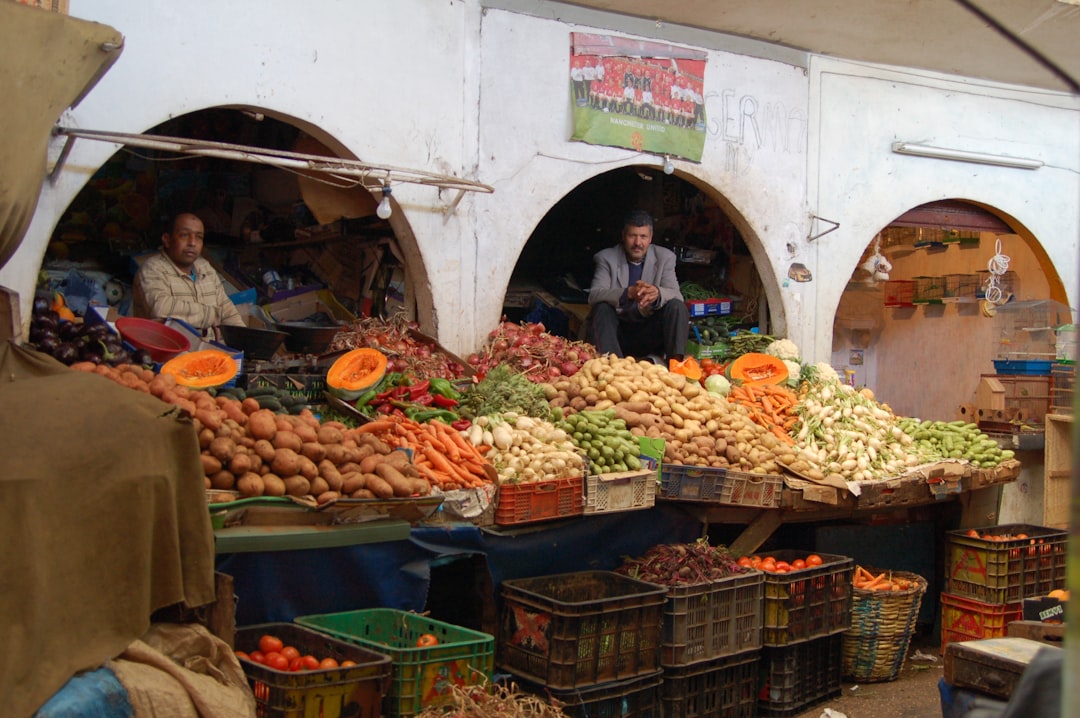
In summer, fruits such as watermelon, tomatoes, peaches, figs, grapes, and prickly pear have all ripened. Moroccan families use this abundance to build meals that feel complete without heavy cooking. A plate of sliced watermelon, a bowl of zaalouk, and a dish of olives form a full and satisfying lunch.
Morocco is a place for fruit juice lovers, with stalls on nearly every corner offering freshly squeezed juices made from oranges, pomegranates, and avocados. Orange juice is incredibly popular and often squeezed right in front of you. You will also find delicious blends like avocado with milk and almonds, or seasonal favorites like watermelon in summer. These drinks become part of the daily rhythm of summer eating.
Desserts in Morocco are usually seasonal fresh fruit, and the most common dish is orange slices sprinkled with cinnamon, sugar, and orange flower water. In summer, this shifts to cold watermelon, chilled peaches, and prickly pear. The family meal ends on a light, refreshing note that respects the heat of the day.
How tradition stays intact through every season
Some people worry that adapting to summer means losing something essential. Moroccan families do not share this concern. The spices remain the same. The communal table remains. Traditional communal eating habits and ceremonial tea service are central to social gatherings. A bowl of zaalouk passed around the table creates the same warmth as a shared tagine in January.
What all Moroccan food has in common is its regionality and its seasonality. This truth sits at the heart of summer cooking in Morocco. The cuisine was never meant to be static. It was always meant to respond to what the land, the weather, and the season offer.
Spices and ras el hanout are used extensively in Moroccan food regardless of the season. Whether the pot simmers for 90 minutes or the grill heats for 15, the same cumin, paprika, and coriander bring everything together. Summer does not change the language of the kitchen. It only changes the sentence structure.






Summer cooking keeps Moroccan kitchens alive
Summer cooking in Morocco is a demonstration of cultural intelligence, not culinary compromise. Families preserve their identity through smart, seasonal choices. Salads replace slow stews. Grills replace clay pots. Fresh fruit replaces heavy desserts. And through all of it, the table remains a place of generosity and connection.
If you want to understand Moroccan food culture, watch what a family cooks in July. Summer cooking in Morocco reveals as much about heritage as any winter feast. The soul of the cuisine lives in the adaptation, not just in the recipe. Share your own family’s summer dishes in the comments. We would love to hear how your kitchen changes when the heat arrives.

Discover more about summer cooking
- Moroccan Seasonal Foods and What to Eat by Season, Lonely Planet
- Zaalouk, Chermoula, and Moroccan Cooked Salad Recipes, Taste of Maroc
- Modern Moroccan Seasonal Recipes and Kitchen Culture, My Moroccan Food