

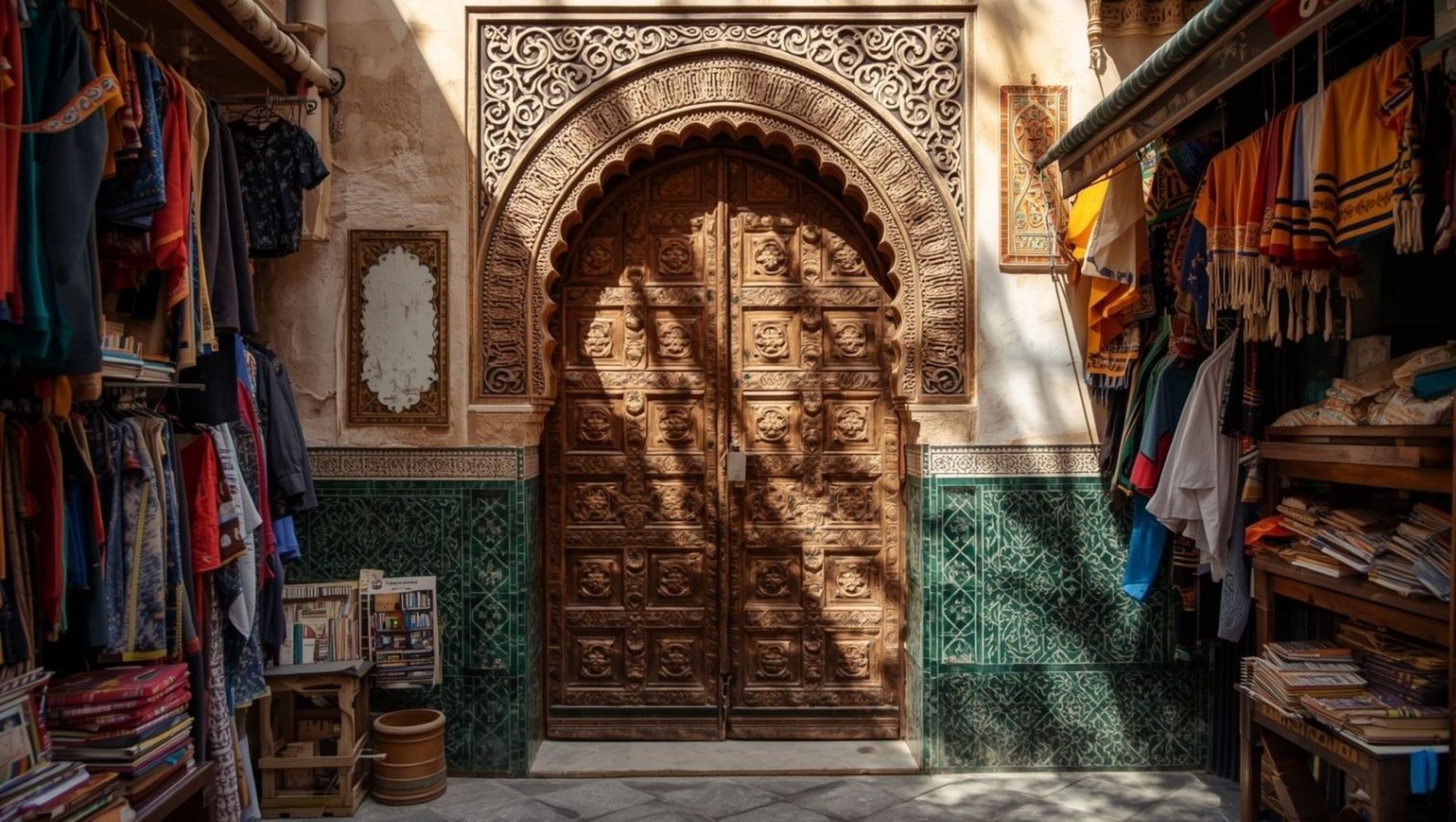
What Makes Traditional Moroccan Doors Architecturally Significant?
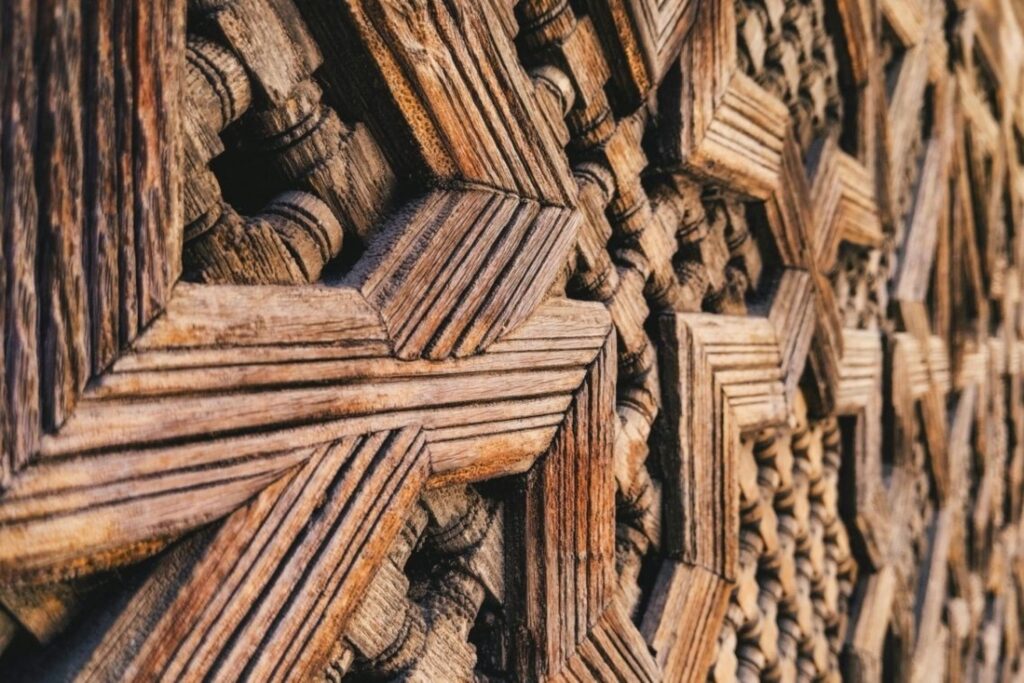
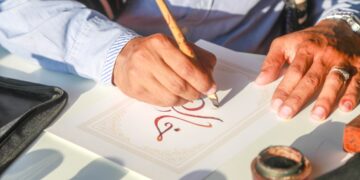
Moroccan doors showcase cedar, walnut, and thuya wood carved by master artisans. Consequently, geometric patterns and Islamic calligraphy demonstrate exceptional craftsmanship. Historic medina doors date back 300-500 years in some cases.

Additionally, door designs reflect regional styles across Morocco distinctly. Therefore, Fes doors differ from Marrakech and Essaouira patterns. Moreover, brass and iron hardware features intricate metalwork complementing wood.
Door symbolism includes protection, hospitality, and social status traditionally. For instance, larger elaborate doors indicated wealthy households historically. Thus, preserving doors maintains tangible connection to Moroccan heritage.
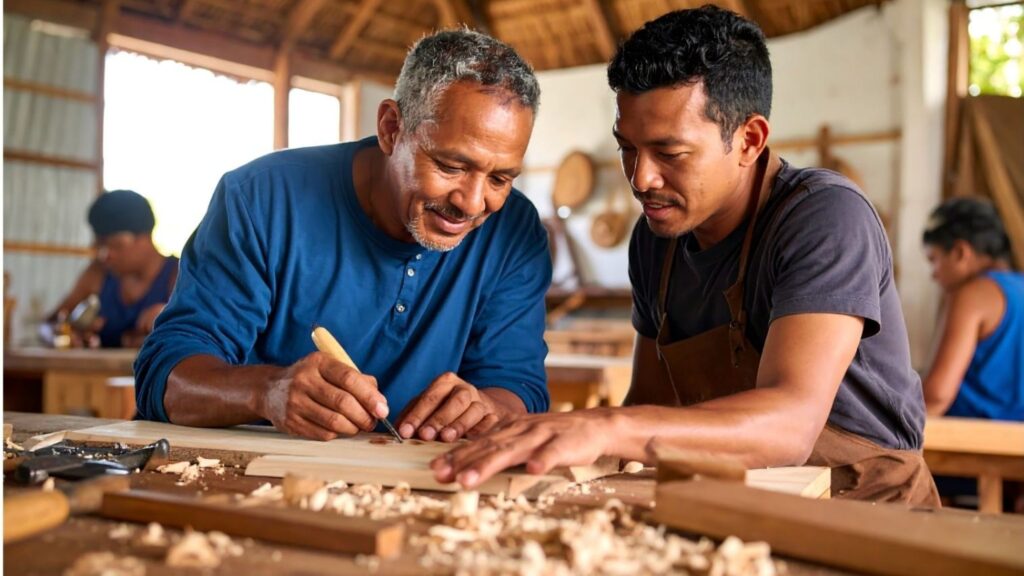
What Restoration Techniques Preserve Moroccan Door Authenticity?
Gentle cleaning using soft brushes and mild wood soap removing dirt. Nevertheless, avoid harsh chemicals damaging original finishes and patina. Specifically, test cleaning methods on inconspicuous areas first.



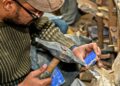
Paint removal carefully stripping later additions revealing original carving details. On the other hand, chemical strippers require proper ventilation and protection. Additionally, heat guns and scrapers work for stubborn layers.
Wood repair using traditional methods matching original construction techniques exactly. For instance, mortise and tenon joints repaired using same species. Besides, epoxy consolidants stabilize deteriorated wood fibers effectively.
Carving restoration employing skilled artisans replicating missing or damaged decorative elements. Thus, master carvers follow traditional Moroccan geometric patterns precisely. Furthermore, new carving should blend seamlessly with original work.

What Practical Challenges Affect Historic Door Preservation?
Cost considerations with authentic restoration ranging 15,000-80,000 MAD depending. Meanwhile, skilled artisans command premium rates reflecting expertise rarity. Also, historic wood species expensive and difficult sourcing.
Finding qualified artisans as traditional woodworking skills declining among young. However, artisan cooperatives in Fes and Marrakech maintain knowledge. Besides, Ministry of Handicrafts supports traditional craft preservation.
Modern building codes sometimes conflicting with historic preservation requirements balancing. For instance, fire safety regulations may mandate modifications. Nevertheless, creative solutions preserve character while ensuring safety.
Climate challenges with Morocco’s varied climate affecting wood differently regionally. Thus, coastal humidity differs from dry interior conditions requiring. Furthermore, temperature fluctuations cause expansion and contraction stressing joints.
Insurance and documentation proving door’s age and value for protection. Meanwhile, historical surveys and expert appraisals establish provenance documentation. Also, photographs and condition reports essential for claims.
Balancing use and preservation maintaining doors as functional elements not. Nevertheless, daily use causes wear requiring ongoing maintenance attention. Specifically, high-traffic areas need more frequent care than decorative.



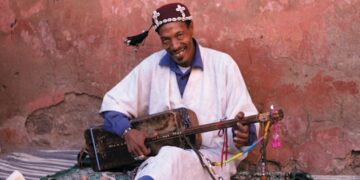





🌿 كل باب مغربي يحكي قصة، ليس فقط عن المكان الذي يفتح عليه، بل عن أيدٍ صانعة وعقول مبدعة عاشرت الخشب والوقت. أثناء تصفحي لأخبار ترميم هذه الأبواب، شعرت بأن الحفاظ على هذه الحِرف ليس مجرد مهمة تقنية، بل هو جسر بين الماضي والحاضر، بين أجيال تعلمت الفن وأجيال تكتشفه اليوم. كل نقش صغير وكل خشبة مُرمَّمة هي ذكرى حيّة للتاريخ والهوية المغربية، تذكّرنا بأن الجمال الحقيقي يحتاج إلى صبر وحب ورغبة في الحفاظ عليه، لا في تغييره أو محوه.
مقال متميز جداً! ترميم الخشب التاريخي يتطلب صبراً ومهارة استثنائية من ‘المعلمين’ المغاربة. جميل أن نرى هذا الاهتمام بالتفاصيل الدقيقة التي تجعل من كل باب مغربي قصة قائمة بذاتها. شكراً MAwebzine على تسليط الضوء على هذه الحرفة النبيلة التي تقاوم الزمن.
الأبواب المغربية هي عنوان كرمنا وأصالتنا. مقال ممتع يذكرنا بضرورة تثمين هذا الموروث المعماري الفريد والاعتناء به للأجيال القادمة. شكراً على هذه الرحلة البصرية والثقافية في عالم الأخشاب التاريخية.
Qué artículo tan fascinante! Las puertas marroquíes son verdaderas obras de arte y es fundamental preservar este patrimonio tan rico. Me encanta conocer más sobre el minucioso proceso de restauración y el increíble talento de los artesanos. ¡Gracias por compartir esta maravilla
This is such a fascinating article! Moroccan doors are true works of art, and it’s incredibly important to preserve this rich heritage. I loved learning about the detailed restoration process and the amazing talent of the artisans. Thank you for sharing
الحفاظ على أبوابنا التاريخية هو حفاظ على ذاكرتنا وتاريخنا الذي نفتخر به. مقال يستحق القراءة والنشر على نطاق واسع.
داكشي ديال النقش على الخشب فالمغرب راه فن بوحدو. كنشوف بحال هاد البيبان القدام فاش كنمشي للأسواق الأسبوعية ولا البلايص الشعبية، وكيبقاو ديما شادين قيمتهم واخا يدوز عليهم الزمان. تبارك الله على المعلمية لي باقين صابرين ومحافظين على هاد التراث.