


The descent into burnout
Fatima grew up with a strong work ethic instilled by her family. After earning a degree in business administration, she pursued further studies in data analysis to meet the high standards of Morocco’s competitive job market. Her dedication landed her a role at a leading Moroccan consulting firm. At 27, she was assigned to a demanding client project, working directly under an intense manager who set sky-high expectations.

As the boundaries between work and home life blurred during the COVID-19 pandemic, Fatima found herself working into the early hours of the morning. Despite expressing exhaustion to her employer, she was given even more challenging tasks, pushing her deeper into a relentless work cycle.
The signs of burnout became undeniable: intrusive work thoughts, disrupted sleep, emotional volatility, and a mental ‘fog’ that clouded every aspect of her life. A crucial moment came during a meeting with a company physician, where Fatima broke down after barely uttering a few words. She was placed on immediate medical leave, which ultimately lasted for three months.

Symbolizing a new beginning
To commemorate her transformation, Fatima chose to get a tattoo—a symbolic design on her wrist. She worked with a Moroccan artist whose delicate geometric patterns aligned with her vision. Their collaboration was more than just art—it became a space for shared healing as they talked about their journeys through mental health struggles.
Her tattoo features intertwining circles and broken yet connected lines, representing the unpredictability of life and the beauty in imperfections. For Fatima, the design serves as a daily reminder to embrace uncertainty, let go of the need for control, and appreciate the interconnectedness of her experiences.







Padel club in Morocco: costs and tips
Padel club membership in Morocco ranges from a 30-dirham discounted court in Rabat to a 9,900-dirham annual pass. This guide...

Sahara trip planning: pack and book smart
A Sahara trip rewards travellers who decide early: which gateway town, how many nights, which camp level. This guide walks...

Breathing techniques for your meeting breaks
Four minutes between calls is rarely enough to recover, but it is enough for a tested breathing technique. This guide...
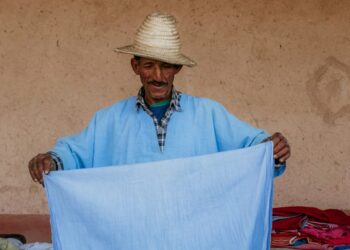
Capsule wardrobe from Moroccan cooperatives
A capsule wardrobe built from Moroccan cooperatives replaces disposable fast fashion with durable, handcrafted pieces rooted in real cultural tradition....

Moving Forward
Fatima’s story demonstrates the importance of self-awareness and proactive steps in maintaining mental health. Her journey serves as a powerful testament to the resilience of the human spirit and the possibility of turning adversity into strength.
By sharing her experience, Fatima provides hope and guidance for those facing similar struggles, emphasizing that with the right support and mindset, it’s possible to emerge stronger and more aligned with personal well-being.










شكراً على تسليط الضوء على الإرهاق، وهي مشكلة عالمية لا يستثنى منها سوق العمل المغربي التنافسي. قصة فاطمة مهمة لأنها تؤكد أن ‘الوعي بالذات’ وطلب المساعدة المهنية هما الخطوة الأولى والأشجع في التعافي. يجب أن نكسر وصمة العار المحيطة بالصحة النفسية في مجتمعاتنا.
أعجبتني جداً الحلول التي اعتمدتها فاطمة، خاصة أهمية ‘وضع الحدود الواضحة’ بين العمل والحياة الشخصية، وكون الفخار بمثابة ‘منفذ إبداعي’ جلب الهدوء والإنجاز. هذا يؤكد أن الإبداع والهوايات جزء أساسي من العلاج وليس مجرد ترف.
فكرة وشم فاطمة الذي يرمز إلى ‘تقبل عدم اليقين وجمال النقص’ هي رسالة قوية ومُلهمة. هذا التذكير اليومي يساعد على التخلي عن الكمالية التي غالباً ما تقود إلى الإرهاق. هذا المقال يقدم الأمل والإرشاد لمن يواجهون تحديات العمل والضغط المستمر.
قراءة هذا المقال ذكّرتني أن الاحتراق النفسي ليس ضعفًا، بل إشارة من الروح بأنها تحتاج إلى راحة وإعادة ترتيب 🌿. أحيانًا التوقف لحظة هو أول خطوة للعودة أقوى وأكثر توازنًا 💛✨.
Es un artículo sumamente necesario y valiente para los tiempos que corren. A veces, en el ritmo frenético de hoy, olvidamos que nuestra salud mental es el motor de todo lo demás. Me ha gustado mucho que el enfoque sea práctico y adaptado a nuestra realidad; reconocer que estamos agotados es el primer paso para sanar. Aprender a poner límites y desconectar no es un lujo, es una necesidad vital. ¡Gracias por visibilizar este tema y darnos herramientas para recuperarnos
أحيانًا لا يأتي الاحتراق النفسي فجأة، بل يتسلل بهدوء حتى نصبح غرباء عن أنفسنا… وحين نتوقف أخيرًا، ندرك أن التعافي لا يعني العودة كما كنا، بل أن نتعلم كيف نعيش بخفة أكثر، وحدود أوضح، وقلب أقل قسوة على نفسه �