

Hammam reset is the quiet ritual millions of Moroccan women and men return to every September, not because it is trendy, but because the body simply asks for it after months of heat, dust, and disrupted sleep.
What a long Moroccan summer actually does to your body
Summer in Morocco is generous and demanding at the same time. From Agadir to Fez, temperatures push the body hard for months. Sweat builds up on the skin, pores clog with dust and sunscreen, and the nervous system stays alert in the heat far longer than it should. Sleep becomes fragmented, appetite shifts, and digestion slows.

Moroccans have long visited the hammam to deeply purify and detoxify the body. The benefits include boosting circulation, enhancing immunity, and supporting general physical and mental wellbeing. These are not minor benefits. After a Moroccan summer, they are exactly what the body needs before cooler months arrive.
The transition into September and October is a natural reset point. The air cools by a few degrees, the light changes, and the body becomes more receptive to deep cleansing. This is the moment to act.
The hammam reset: what happens inside
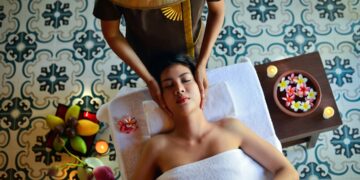
Upon arrival at the hammam, you enter a series of steam-filled rooms. The hammam is typically divided into 3 sections: a hot room, a warm room, and a cool room. Each space offers a unique experience, and the transition between them is part of the ritual. As you enter the hot room, the heat envelops you, opening your pores and preparing your skin for cleansing.
A hammam therapist applies Moroccan black soap, also called beldi soap. This traditional blend of olive oil and crushed olives, infused with eucalyptus, moisturizes the skin while awakening the senses. Then comes the kessa. The most iconic step consists of gently scrubbing the body with a coarse washcloth known as the kessa, removing dead skin and revealing smoothness beneath.
After the kessa, the ghassoul step begins. Ghassoul is a fine powder that becomes clay when mixed with water. Traditional ghassoul comes from the volcanic ash of the Atlas Mountains. It draws impurities from the skin, then replenishes it with minerals and nutrients that make it soft and youthful. This is the moment the body starts to feel genuinely lighter.
The hammam reset and the souk: a two-step approach
The hammam alone is powerful, but your local souk completes the picture. Moroccan women customize their masks by purchasing dried herbs and clays from the local souk, or market. This is a practice that connects the hammam ritual to the wider herbal tradition of Moroccan daily life.
Authentic Moroccan herbal remedies can be found in trusted locations across Morocco. Cities like Marrakech, Fez, and Casablanca have local markets where herbalists sell fresh and dried herbs. The core of Morocco’s herbal healing is often found in the skilled hands of local apothecaries. Known as attareen, these custodians of ancestral wisdom blend, brew, and prescribe a variety of herbal preparations.
For early autumn, 3 souk purchases make the most difference. First, dried mint and chamomile for a calming evening tea that supports digestion and sleep. Medicinal herbs such as mint, chamomile, and sage are commonly used to ease digestive issues, soothe respiratory problems, and promote overall wellbeing. Second, rose water for daily skin hydration after the hammam. Third, argan oil for a final body massage. The final step in the hammam ritual is often an argan body and scalp massage. Argan oil comes from one specific region of Morocco, and women from all over the country use it for its beauty and health benefits.

Expert perspective on autumn wellness in Morocco
Moroccan wellness is not a luxury product. It is a living system built on ingredients that the land provides and knowledge that families carry from one generation to the next. When the summer heat finally drops, the body signals its readiness for renewal. The hammam responds to that signal with heat, pressure, and mineral clay that do what no expensive cream can replicate. The souk is the pharmacy that supports everything after you leave the steam room. Combining both is not optional if you want real results. One without the other leaves the job half done. The ritual works as a complete cycle, and autumn is the season when that cycle is most effective.
Industry perspective, wellness and traditional medicine practitioners in Morocco
How to structure your early-autumn hammam reset routine
A practical routine does not need to be complicated. Plan 1 hammam visit per week for the first 3 weeks of September. The Moroccan hammam is a traditional steam bath that forms part of daily Moroccan lifestyle and culture. It is a weekly ritual with certain practices that differ slightly from person to person, but the concept stays the same.
Before each visit, stop at your souk attarin for fresh herbs and replenish your ghassoul supply. After the hammam, apply argan oil while your skin is still slightly warm. After the cleansing ritual, move to the cool room to relax and rehydrate. Many traditional hammams provide herbal teas, infused water, or fresh orange juice to restore your energy.
In the evenings, brew mint or chamomile tea from your souk purchase and drink it 30 minutes before sleep. This completes the cycle: the hammam works from the outside in, and the herbal tea works from the inside out.






Hammam reset: the most Moroccan form of self-care
A hammam reset costs very little. A neighborhood hammam in Casablanca, Rabat, or Marrakech charges between 15 and 50 MAD for the basic session. A souk visit for herbs, ghassoul, and rose water adds another 30 to 80 MAD. The full routine sits well within any household budget.
More than cost, the hammam reset returns something that a busy summer takes away: the feeling of being at home in your own body. It is a practice that your grandmother trusted, that your mother adapted, and that you can now make your own. Start this September. Your body already knows what to do.
Discover more about hammam reset
- WHO Morocco Country Health Overview
- Morocco’s Healthcare System: Reforms, Investments and Wellness
- Moroccan Hammam Routine: The Traditional Skincare Ritual