
Pottery looks simple until you try to buy clay, find a wheel and figure out who will fire your first piece. Morocco gives a beginner plenty of raw material, from the wholesale clay market behind the Marrakech tannery to the ceramic towns of Safi and Fez. The real question is narrower: what tools do you actually need, where do you get them, and which first steps save you money instead of wasting it? This guide answers that in order.

Picking clay and tools that suit a pottery hobby
Before buying anything, decide whether you want to hand-build or use a wheel, because the two paths need different kit. For hand-building, essential tools include a wire cutter, knife, ribs, sponges, and a work surface, with optional items like a rolling pin, modeling tools, and clay cutters to refine the work. On Jumia Maroc, a basic five-piece wooden-handled tool set sells for around 98 Dhs, while a fuller 11-piece set with wooden handles and metal tips runs about 195 Dhs, enough for most first projects.
Clay choice matters more than most beginners expect. If you have no access to a kiln, air-dry clay is the practical starting point: pottery kits for beginners are widely available, offering materials and tools to help you start crafting pottery at home, with brands like Sculpey and Skutt providing beginner-friendly kits with step-by-step instructions. In Morocco, Jovi and Nara air-dry clay bars, priced roughly between 65 and 120 Dhs per kilogram on Jumia, cover this need locally.
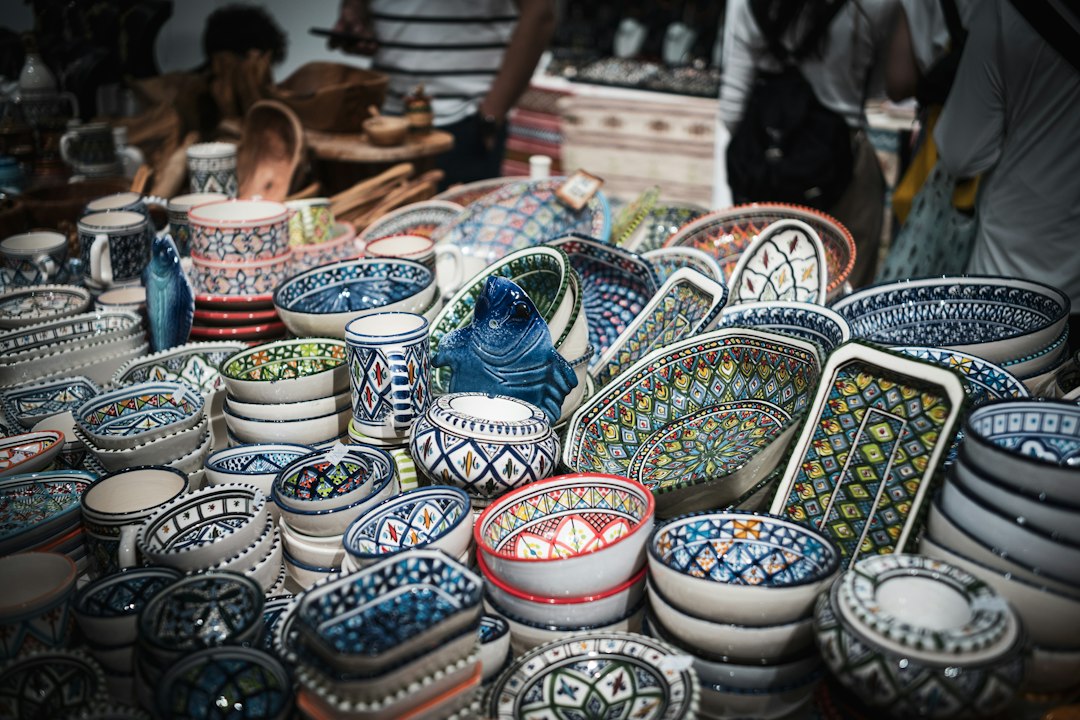
For real stoneware clay bought in bulk, Marrakech has a dedicated wholesale source. Souk Rabeaa, not far from the famous Marrakech tannery and Souk Khamis, has displays laden with every clay and ceramic ware imaginable. Everything sold there comes from Tamslouht or the Ourika valley and most of it goes at wholesale prices to locals or other shop owners, making it the place to go for wholesale prices on items of many different colors and sizes. If you plan to work with a wheel at a studio rather than at home, ask the studio directly about buying clay through them instead, since most import or dig their own supply and will not want outside clay in their kiln.
Where to learn in Fez, Safi and Marrakech
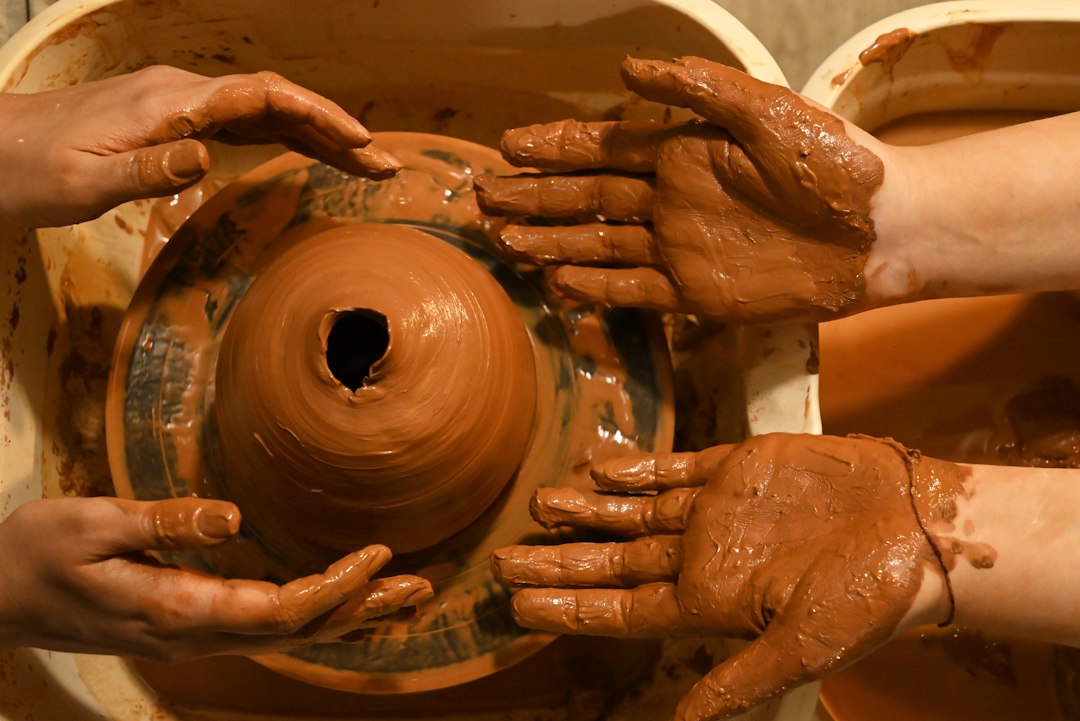
Buying tools without instruction is the most common early mistake, so booking one guided session before investing in a wheel is worth the cost. Safi, Morocco's historic ceramics centre, has a dedicated studio for this. Cours Pottery is a boutique pottery studio offering a diverse range of pottery classes and workshops for all skill levels, from beginners discovering the art of pottery to experienced artisans refining their craft, located "Bab chaaba Safi maroc Bab Chaaba A Côté Souk Des Potiers", right beside the potters' souk itself. Sessions there run two to three hours and cover various techniques, including wheel throwing, hand-building, glazing, and firing.
Fez, with its centuries-old ceramic tradition, has the widest choice of short workshops, typically priced from $38 per adult up to around 45 euros for a one- to two-hour session, with most lasting two to three hours and including a finished piece to take home. For a longer commitment, one Fes studio offers 3-Day Pottery Classes where skilled local artisans guide students through traditional pottery and ceramic-making techniques in small groups, with flexible hours from 7:00 am to 6:00 pm, a useful option if you want more than a tourist taster.
Marrakech suits residents better than day-trip visitors, since its best-known studio sits outside the city centre. Marra Pottery Workshop is an atelier de poterie located on the Marrakech route d'Essaouira, specialising in pottery production, roughly 8 km from the centre, and takes bookings by phone or email rather than through a tour platform. Comparing these three cities is really a comparison of depth versus convenience: Safi sits you next to working potters, Fez packages the experience for visitors, and Marrakech rewards anyone willing to travel slightly further for a working studio relationship.
What beginners misunderstand about firing and kilns
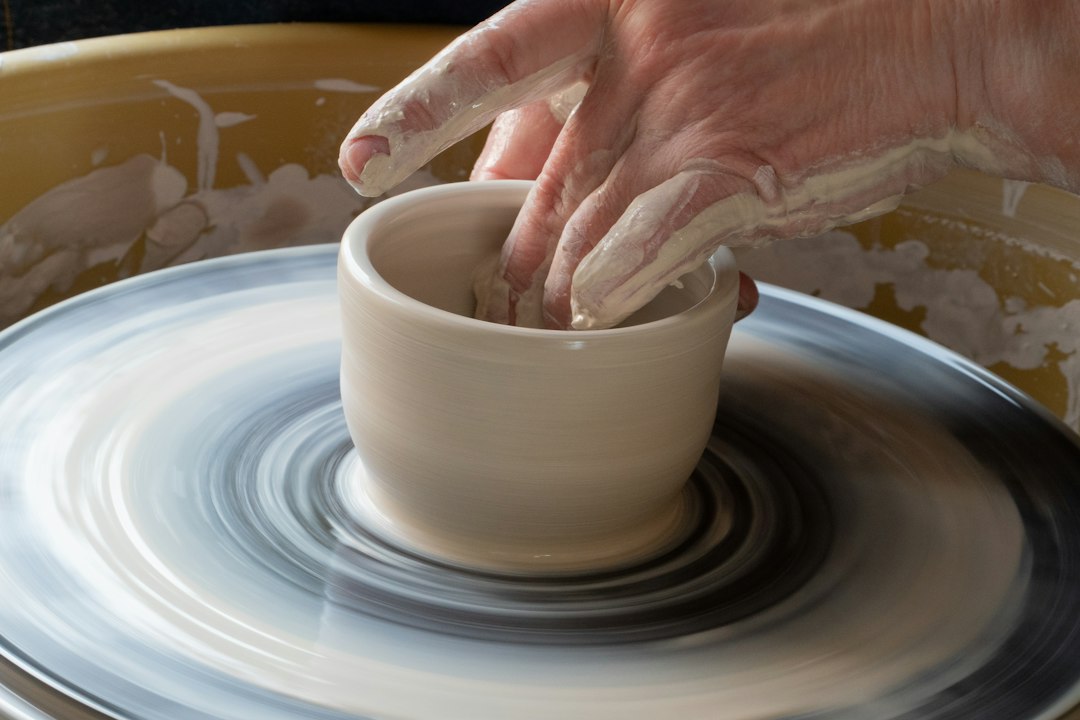
The most common mistake in a new pottery hobby is assuming any clay can go in any oven. Stoneware and earthenware clay need a proper kiln firing at high temperature, something almost no home in Morocco has. That is why workshops that teach wheel throwing, like those in Safi and Fez, build glazing and firing into the course itself rather than sending pieces home unfinished.



Watching a traditional operation shows why firing is treated as a separate, skilled stage rather than a final afterthought. At Tamegroute in the south, visiting the pottery workshop is a step into a simpler way of life, with no factories, warehouses or machinery in sight, but an expansive open-air complex where families work, with areas dedicated to piles of raw clay being softened and stomped by feet. That same village is known for a distinct green glaze fired in wood-burning kilns, a technique that takes years to judge by eye alone. A hobbyist buying air-dry clay sidesteps this entirely, trading the depth of a true ceramic finish for the convenience of curing a piece on a windowsill. Neither choice is wrong, but conflating the two leads to disappointment when an air-dried piece cracks in water or a kiln-fired piece never gets fired at all because no studio relationship was arranged in advance.
What this means in practice
Start by deciding your firing situation before you buy anything else: if you have no studio relationship, choose air-dry clay and accept its limits. Buy a basic tool set first, roughly 100 to 200 Dhs on Jumia covers the essentials, rather than a toy electric wheel, since a two-in-one beginner wheel around 685 Dhs still needs proper clay and a firing plan to produce anything durable.
Book one two- to three-hour session in Safi or Fez before committing further; it costs less than a tool kit and tells you quickly whether wheel work or hand-building suits you. If you live near Marrakech, visit Souk Rabeaa once to see wholesale clay pricing in person, even if you buy only a small test quantity the first time. Treat the first month as a trial: one workshop, one small tool set, one type of clay, and a clear answer on whether you continue.
Learn more about pottery hobby
- Pottery Supplies – Craftsmen's Directory Morocco
- Guide to Pottery Hobbies and Tools – Craftsy
- Marrakech's Secret Wholesale Clay Market