

The Fast Fashion Problem
Fast fashion has taken a toll on the environment, with the industry contributing to 10% of global carbon emissions and producing massive amounts of textile waste. In Morocco, the influx of cheap, imported clothing has also threatened local artisans and traditional craftsmanship.

By sewing your own clothes, you can break free from this cycle, creating garments that are unique, durable, and eco-friendly.
A Return to Tradition
Morocco has a long history of textile production, from the intricate embroidery of Fes to the vibrant weavings of the Atlas Mountains. Sewing your own clothes allows you to tap into this rich heritage, using locally sourced fabrics like cotton, wool, and linen.
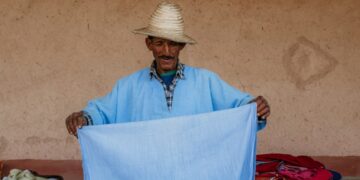
Saïda, who learned to sew from her grandmother, says, “When I sew, I feel connected to my roots. It’s not just about making clothes; it’s about preserving a part of who we are as Moroccans.”
Economic Empowerment
For many Moroccan women, sewing is more than a hobby—it’s a source of income. By creating and selling handmade clothes and accessories, women like Saïda can support their families while working from home.
“I started sewing because I needed to provide for my daughters”, she explains. “Now, I make dresses, bags, and scarves that I sell in my community. It’s empowering to know that I can take care of my family while doing something I love.”
Essential Tools
Before you begin, it is important to have the following 6 essential tools:



1. Sewing machine
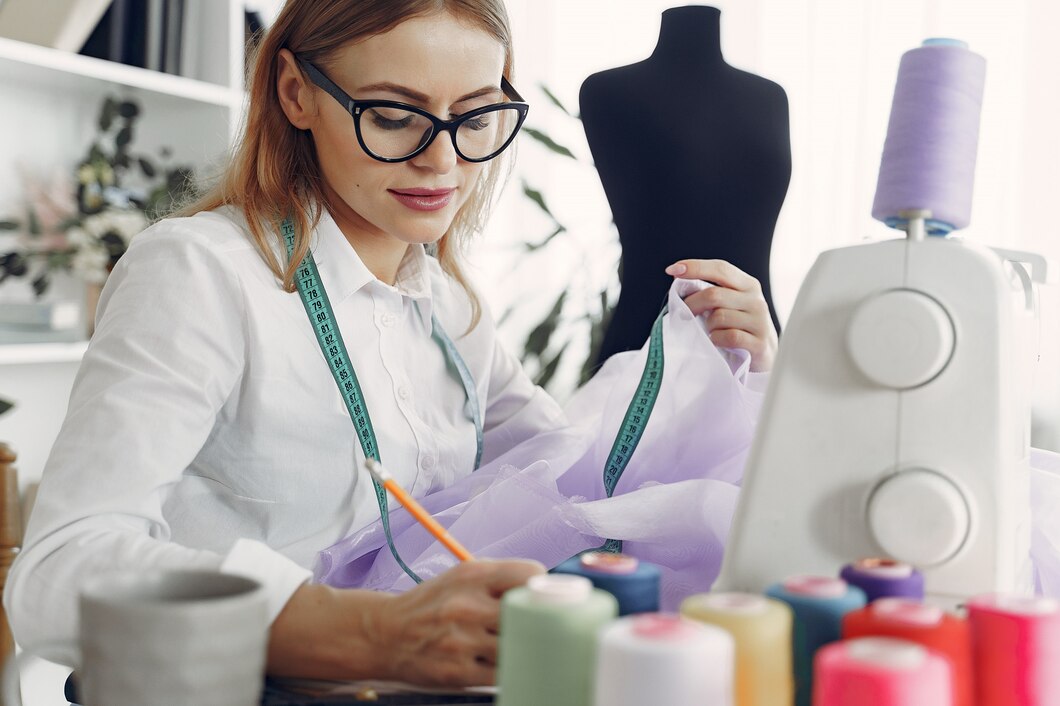
A sewing machine is essential for sewing because it speeds up the process, ensures consistent and precise stitches, and handles a variety of fabrics with ease. It enables you to create durable, professional-quality garments and projects much faster than hand-sewing, making it a must-have tool for both beginners and experienced sewers.
Choose a beginner-friendly machine, whether mechanical or electronic, depending on your needs and budget.
2. Needles
Needles are essential for sewing because they pierce fabric to create stitches, whether by hand or with a sewing machine. The right needle type and size ensure smooth stitching, prevent fabric damage, and accommodate different materials and techniques, making them a fundamental tool for any sewing project.
Use needles that are appropriate for the type of fabric you are working with. Choosing the right needles is crucial for achieving neat seams and avoiding damage to the fabric.
3. Scissors
Scissors are essential for sewing because they allow you to cut fabric cleanly and accurately, ensuring precise edges and shapes for your projects. Sharp, dedicated fabric scissors prevent fraying and make the cutting process efficient, which is crucial for achieving professional-looking results.







مقال رائع يجمع بين الإبداع والوعي البيئي! أتفق تماماً أن الخياطة وسيلة ممتازة لمواجهة تحديات الموضة السريعة ولإعادة إحياء تقاليد النسيج المغربي الغني. هذه هي الاستدامة بأبهى صورها. شكراً على تشجيعنا على صنع ملابسنا بأنفسنا!
قصة سعيدة من الدار البيضاء مُلهمة جداً! الخياطة ليست مجرد هواية بل هي أداة قوية للتمكين الاقتصادي للمرأة. من الجميل رؤية كيف تستطيع النساء رعاية عائلاتهن والحفاظ على الحرف التقليدية في الوقت نفسه. مقال مؤثر ومفصّل.
نصائح عملية ومباشرة للمبتدئين. من الجيد جداً تذكيرنا بأهمية اختيار الإبر المناسبة واستخدام مقصات حادة لقص الأقمشة. هذه الأساسيات هي مفتاح الوصول إلى نتائج احترافية. مقال ممتاز لتعريف الجيل الجديد بفن الخياطة.
أثناء قراءة هذا المقال، شعرتُ أن الخياطة ليست مجرد مهارة يدوية، بل مساحة هادئة نعيد فيها الاتصال بأنفسنا. بين المقص والخيط والقياس، هناك صبرٌ يتعلّم، وخطأٌ يُصلَح، وقطعة قماش تتحول شيئًا فشيئًا إلى معنى. هذه الأساسيات البسيطة تذكّرنا بأن الإبداع لا يحتاج تعقيدًا، بل يحتاج فقط بداية صحيحة ورغبة صادقة. الخياطة هنا تبدو كفعل مقاومة صغير لسرعة العالم، وعودة جميلة لقيمة ما نصنعه بأيدينا. 🧵✨
أعجبني كثيراً تقسيم المقال لأساسيات واضحة وعملية. غالباً ما يبدو عالم الخياطة معقداً في البداية، لكن هذا التبسيط يجعل الأمر متاحاً للجميع. شكراً MAwebzine على هذه النصائح التي تضعنا على الطريق الصحيح لتعلم حرفة أصيلة بلمسة عصرية.
¡Qué guía tan útil para iniciarse en el mundo de la costura! A veces parece algo complicado al principio, pero con estos 5 fundamentos básicos todo se vuelve mucho más claro y accesible. Me encanta que el artículo destaque la importancia de elegir bien los materiales, porque una buena base es lo que marca la diferencia en el acabado final. La costura es un arte precioso que nos permite ser creativos y dar una segunda vida a nuestra ropa. ¡Muchas gracias por compartir estos consejos tan prácticos!
أحيانًا تبدأ الأشياء العظيمة بخيط وإبرة فقط… تعلم الخياطة ليس مجرد مهارة، بل عودة هادئة للجذور، حيث نصنع بأيدينا ما يعبر عنا ونمنح الأشياء روحًا خاصة. في كل غرزة صبر، وفي كل قطعة بسيطة بداية طريق نحو الإبداع والاستقلال.
I think other site proprietors should take this website as an model, very clean and fantastic user friendly style and design, as well as the content. You’re an expert in this topic!