

Free trade zones in Morocco give foreign investors a rare combination: near-zero tax, full customs relief, and a legal bridge between Europe and Africa that few countries can match.
What free trade zones in Morocco actually are
Morocco created several free trade zones to attract foreign direct investment, and each zone is dedicated to exporting industrial or commercial activities such as aeronautics, automotive, and textile industries. In general, each free trade zone focuses on a specific industry.

In recent years, Morocco expanded the number of free zones, particularly in Tangier, Kenitra, Nouaceur, and Agadir. The country built this model around a layered framework of tax incentives and special zones, blending a modern Investment Charter adopted in 2022 with targeted regimes such as Casablanca Finance City and industrial acceleration zones anchored around Tangier and other strategic locations.
Morocco’s strategic trade architecture is anchored by comprehensive free trade agreements with the European Union, United States, Turkey, and numerous African economies through the African Continental Free Trade Area. This extends the domestic market of 37 million consumers to preferential access markets exceeding 1 billion people.
The tax and customs incentives that matter most
Companies in free trade zones pay 0% corporate tax for the first 5 years. From year 6 to year 20, they pay 8.75%. There are no VAT charges on transactions inside free zones.
Companies operating in industrial acceleration zones are exempt from customs duties and import taxes. They also benefit from simplified procedures and extensive freedom for foreign currency transfers, including exemption from the regulations of the Exchange Office. This facilitates the free movement of capital internationally.
Dividends paid to non-residents are exempt from withholding tax. Projects investing more than 50 million dirhams (about $5 million USD) receive stronger incentives. Job creation is also rewarded: companies hiring more local workers receive additional tax credits proportional to the number of jobs created.
Zones to know before you choose a location
Moroccan infrastructure is among the most developed in Africa. With the port of Tangier Med, the first on the continent, a modernized railway network integrating the first African high-speed rail line, and international airports connected to major world capitals, the country has a solid logistics ecosystem that facilitates trade and provides investors with seamless access to international markets.
Partnerships with Boeing, Airbus, and Bombardier, plus Morocco’s new aerospace institute, have built a competitive aerospace cluster in Casablanca’s Midparc free zone. Morocco also created Casablanca Finance City, which positions itself as a benchmark financial hub in Africa.
According to UNCTAD, Morocco’s free zones contributed to a more than 30% increase in industrial export rates over the past decade. The Tangier Med Free Zone stands out as a leading model: in 2023, it topped the list of the most competitive industrial zones in Africa, according to the Financial Times ranking.
Expert perspective on structuring investment in Morocco
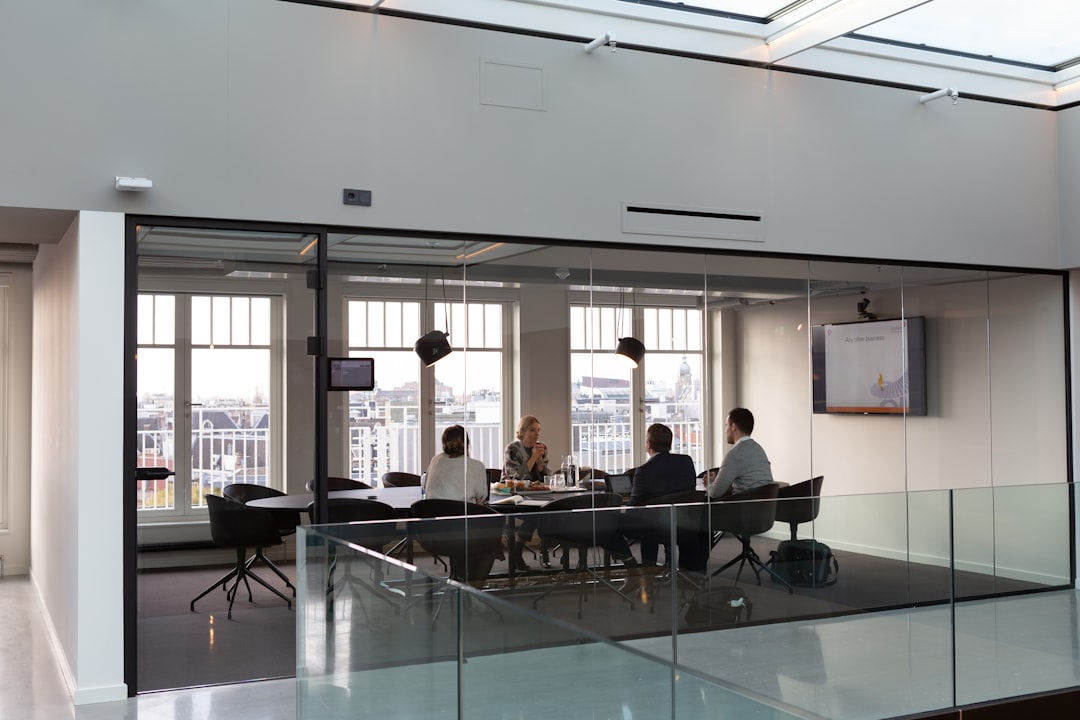
Morocco’s incentive landscape is genuinely compelling for export-oriented businesses, but investors who treat it as a simple tax shelter run into serious compliance problems. The key is substance: you need real operations, real employees, and real supply chains inside the zone. Transfer pricing rules apply, and the Moroccan tax authority reviews the economic reality of transactions between free zone entities and related parties. Beyond that, investors need to map VAT flows carefully. Supplies between zones are exempt, but that exemption requires a formal declaration. Finally, the 2022 Investment Charter added performance-based conditions: incentives now link directly to job creation targets and export volume thresholds. Structure for those conditions from day one, not after the audit letter arrives.
Industry perspective, investment and tax advisory professionals operating in Morocco
-






Regulatory requirements foreign investors must prepare for
Any individual or legal entity, Moroccan or foreign, is allowed to invest and set up a company in industrial acceleration zones. Each zone may impose specific sectoral constraints or priorities, and expert support helps adapt each step to the particular context of the targeted zone and avoid administrative or regulatory pitfalls.
Investors should model tax outcomes under both the general regime and the special regime applicable to their structure, taking into account transitional rates, sunset provisions, and conditions related to the timing of establishment. Substance, effective management location, and transfer pricing compliance are central to preserving incentive benefits.
In January 2024, Morocco’s Foreign Exchange Office updated its rules to further liberalize foreign exchange regulations. Key changes include increased allowances for business travel, imports, and study abroad, along with easier import advance payments and smoother transactions for foreign residents.

Conclusion: free trade zones Morocco rewards the prepared
Morocco’s free trade zones offer a serious competitive advantage for export-focused businesses: a 5-year tax exemption, customs-free imports, and access to a market of more than 1 billion consumers. The incentive landscape combines modern, performance-based investment support with targeted tax and customs regimes for finance, services, and export manufacturing, while the 2022 Investment Charter and Casablanca Finance City deliver operational platforms with tangible fiscal and administrative advantages. Investors who enter Morocco’s free trade zones with clear structure, proper compliance planning, and a genuine operational footprint will find one of Africa’s strongest platforms for growth. Start with the right advisors and the right zone for your sector.
Discover more about free trade zones
- Morocco – Investment Climate Statement 2024
- Morocco’s Free-Trade Zones: A Potential Model for Africa (Heritage Foundation)
- Morocco: A Dynamic Frontier Market (Lazard Asset Management, November 2025)
[End of deliverables]