

June Morocco travel is where smart timing meets one of Africa’s fastest-growing destinations, and most visitors are still choosing the wrong month.
The sweet spot before summer peaks
Morocco in June offers relatively low tourism compared to other months, which gives visitors more space and access. European school calendars are the main reason. The crowd picture shifts in June because European spring peak ends and schools are still in session in many countries until late June. That gap is a real opportunity.
Prices in many southern and inland areas fall below April and May levels. General June prices run 10 to 20% below April peak in most areas. For entrepreneurs who travel frequently, that difference adds up across accommodation, transport, and dining. Booking 2 months in advance secures the best rates before the July surge arrives.
3 major festivals run at the same time
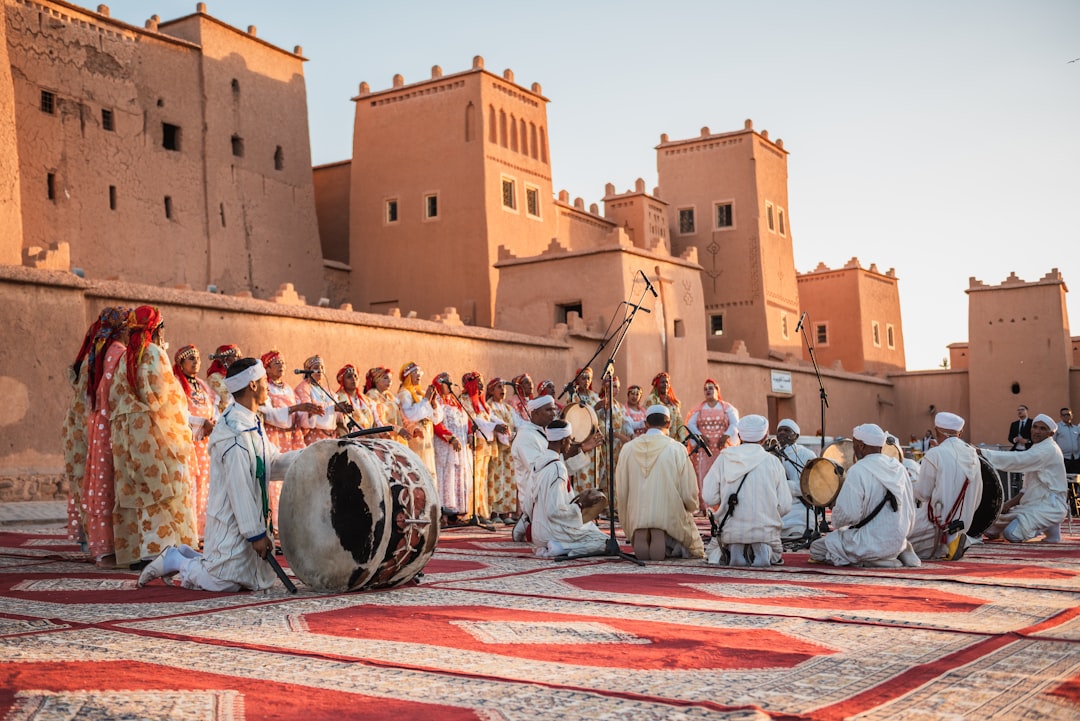
June alone sees 3 major festivals running simultaneously in Essaouira, Fez, and Rabat. No other month concentrates this level of cultural activity across multiple cities. Each event draws a different professional and creative crowd.
The Gnaoua World Music Festival is one of Morocco’s most important cultural events. Over 3 days, the seafront Moulay Hassan square and several indoor venues host a program combining Gnaoua masters with international artists from jazz, blues, and world music. Most concerts are free. Meanwhile in Rabat, the Mawazine festival draws over 2.5 million people across 9 days, spread across 6 stages in Rabat and Salé.
The Fes Festival of World Sacred Music also falls in late June, offering spiritual performances in one of Africa’s most historic medinas. For any traveler who wants to understand Morocco as a cultural and commercial bridge between continents, these festivals deliver direct access to that story.
The coastal climate is at its best
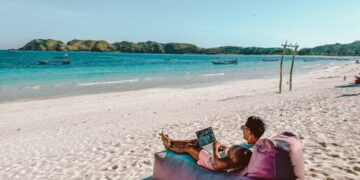
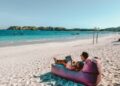
The Atlantic coast enters its golden season in June, with perfect beach weather, ocean breezes, and world-class music festivals. The Atlantic coast cities of Essaouira, Agadir, and Taghazout are warm without being extreme. Chefchaouen and the Rif Mountains stay pleasant at 28 to 32 degrees Celsius.
The coast and surf season runs from April through November, with June to August being the windiest period, which is ideal for kitesurfing and breezy for beachgoers. This period is the best time for water sports, with conditions ideal for surfing, kitesurfing, and windsurfing. Entrepreneurs who combine meetings in Casablanca with a coastal reset in Essaouira get both productivity and recovery in a single trip.
Along the coast, destinations like Essaouira enter a shoulder season between the spring and summer rush, and hotel prices are typically 15% lower than in May. That combination of peak climate and off-peak pricing is unusual and worth planning around.





Expert perspective on Morocco’s tourism growth
Morocco’s tourism sector is not just recovering. It is redefining the country’s economic identity. The data shows consistent double-digit growth in arrivals and revenue. Entrepreneurs and investors who visit in June benefit from the full experience of the destination without the saturation of peak summer. The country’s strategic position between Europe and Africa creates a unique environment where cultural immersion and business relationship-building happen in the same week. The Atlantic coast, the festivals, and the relative calm of early summer make June the most balanced entry point for any first or repeat visit.
Industry perspective, tourism and investment professionals in Morocco
Morocco’s economic momentum gives every visit more weight
Morocco recorded a record 19.8 million tourist arrivals in 2025, generating revenues of more than $13 billion. Visitor numbers rose 14% from 2024, while tourism receipts reached 124 billion dirhams, up 19% year on year. Both figures marked all-time highs, according to the Ministry of Tourism.
The sector contributed 12.3% to Morocco’s GDP in 2024, underscoring its strategic role in the national economy. The government aims to attract 26 million tourists by 2030, when Morocco co-hosts the FIFA World Cup. Infrastructure investment is following that target, with substantial investment directed toward expanding airport capacity in Casablanca, Marrakech, and Agadir, as well as developing transport networks including high-speed rail.
For business travelers, this growth signal matters. A destination with this level of institutional investment and visitor confidence is the right environment for market research, partner meetings, and long-term strategic planning.

Conclusion
June Morocco travel combines climate, culture, value, and economic momentum in a way no other month can. The Gnaoua World Music Festival electrifies Essaouira, the Fes Festival of World Sacred Music offers profound cultural experiences, and the Atlas Mountains provide cool refuge from lowland heat. Prices run 10 to 20% below April peak, crowds stay manageable, and the Atlantic coast performs at its best. Morocco sits at the exact intersection of European and African business flows, and June Morocco is the optimal moment to position yourself inside that story. If you are planning your next strategic trip, this is the month to act.
Discover more about June Morocco
- Morocco Ministry of Tourism: Key Figures and Official Data
- Morocco and Africa Drive Global Tourism Growth in H1 2025
- Morocco’s Tourism Revenue Hits MAD 31 Billion in Q1 2026, Up 24%