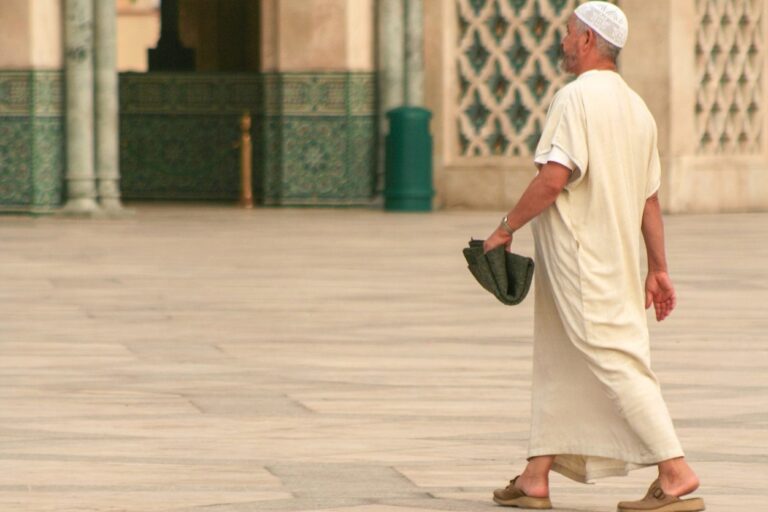

Eid al-Adha, one of the most significant celebrations in the Islamic calendar, is deeply intertwined with the ritual of animal sacrifice, typically involving sheep, goats, or cows. In Morocco, this festival is not only a religious occasion but also a cultural and social tradition that brings families together. However, as the country grapples with a prolonged drought and escalating pressures on the red meat supply, concerns are growing about the feasibility of celebrating Eid al-Adha in 2025 as expected.
The Role of Red Meat in Eid al-Adha
Eid al-Adha, also known as the “Festival of Sacrifice,” commemorates the willingness of Prophet Ibrahim to sacrifice his son in obedience to God’s command. As a symbolic act, families who can afford it sacrifice an animal and distribute the meat among themselves, relatives, and those in need. This practice underscores the importance of solidarity and charity during the festival.
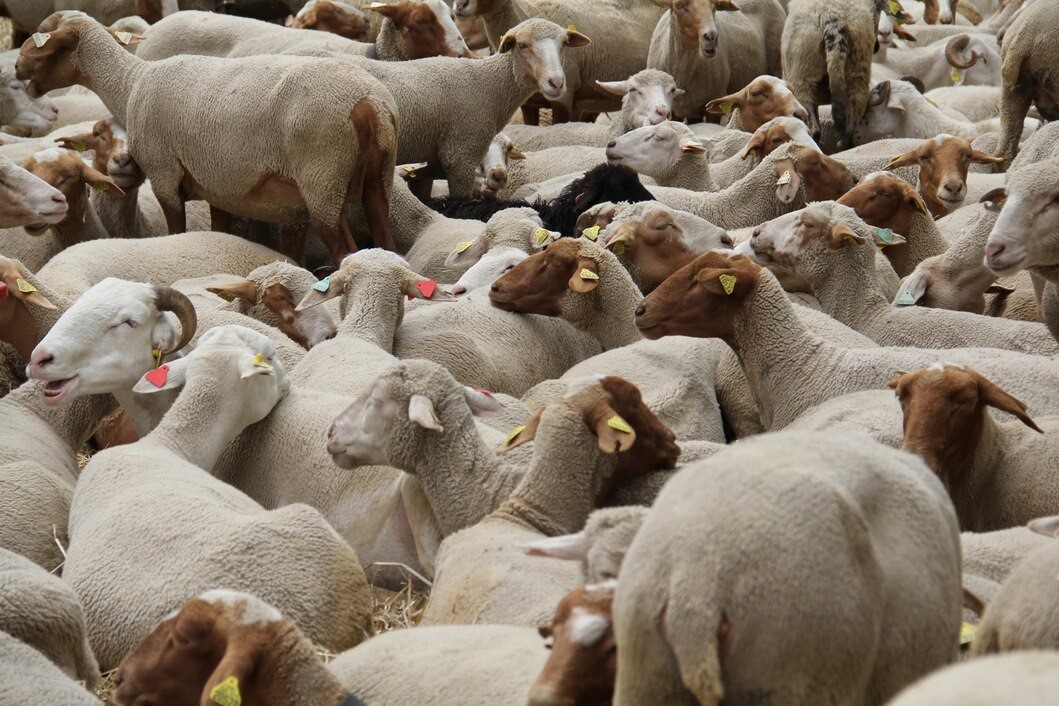
In Morocco, sheep are the most commonly sacrificed animals during Eid al-Adha. The preparations for this festival often begin months in advance, with families saving up to purchase an animal that meets the religious criteria for sacrifice. However, the ongoing challenges in the livestock sector have cast doubt on whether the tradition can continue uninterrupted in 2025.
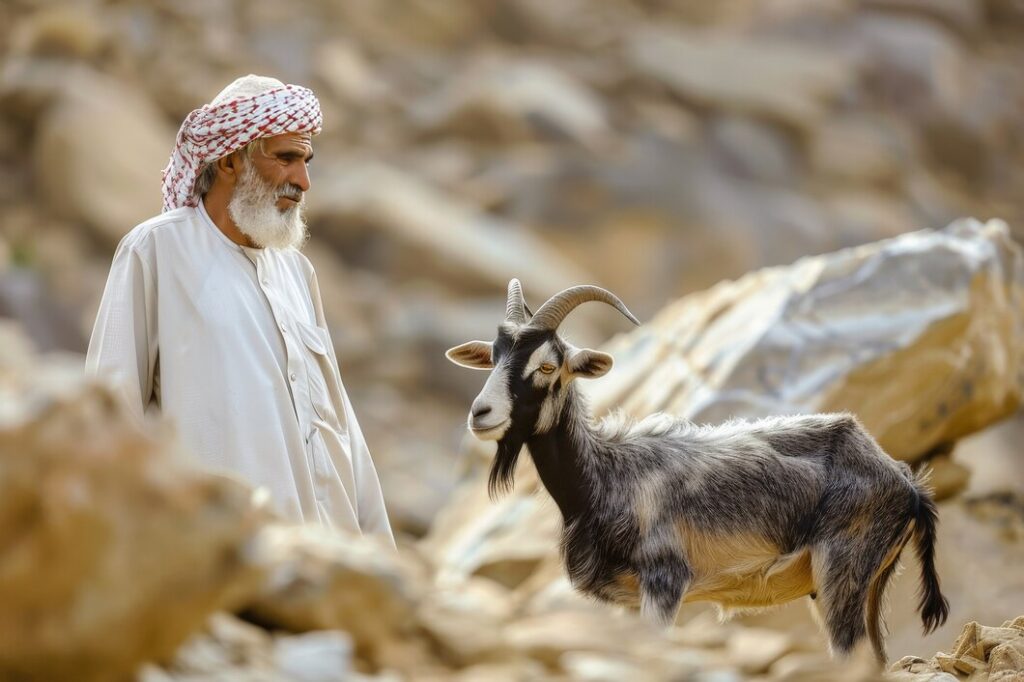
The Challenges Facing Morocco’s Livestock Sector
Drought and Its Impact on Livestock
Morocco has been experiencing one of its worst droughts in decades, significantly reducing the availability of pasture and water for livestock. This has forced herders to rely on expensive imported feed, driving up the cost of raising animals. Many small-scale farmers, who form the backbone of the livestock sector, have reported significant losses in their herds due to these harsh conditions.
Rising Meat Prices
The cost of red meat in Morocco has soared in recent years, driven by supply shortages and increased production costs. According to recent reports, the price of lamb and other sacrificial animals has reached levels that are unaffordable for many households. This poses a significant challenge for families who view the sacrifice as a religious obligation.
Import Dependency
To stabilize the market, the Moroccan government has resorted to importing livestock. While this has helped alleviate some of the immediate pressures, it raises concerns about food sovereignty and the sustainability of relying on imports to meet domestic demand.
Economic Pressures on Families
Beyond the challenges in the livestock sector, many Moroccan families are facing economic difficulties due to inflation and stagnant wages. For these households, the rising cost of sacrificial animals adds to the financial strain, making it increasingly difficult to participate in the traditional Eid al-Adha rituals.

Government and Community Responses
In light of these challenges, the Moroccan government has been taking steps to address the situation. Initiatives include subsidies for animal feed, support for small-scale farmers, and measures to ensure a steady supply of livestock in the lead-up to Eid al-Adha. However, the effectiveness of these efforts remains uncertain given the scale of the problems.
Community organizations and charitable foundations have also stepped in to help. Many are organizing programs to provide sacrificial animals to families in need, ensuring that the spirit of Eid al-Adha—solidarity and generosity—is upheld. Additionally, some scholars and religious leaders have emphasized the flexibility of Islamic teachings, reminding families that the sacrifice is only obligatory for those who can afford it without hardship.

Will Eid al-Adha Be Celebrated in 2025?
Despite the challenges, it is highly unlikely that Eid al-Adha will be canceled in 2025. The festival’s spiritual and cultural significance ensures that it will continue to be observed, even if adaptations are necessary. However, the manner in which it is celebrated may vary significantly compared to previous years:
Smaller Scale Celebrations
More families may opt for smaller sacrifices or share an animal with neighbors or relatives to reduce costs.
Increased Community Support
Charitable initiatives are likely to play a bigger role in ensuring that economically disadvantaged families can participate in the festival.
Alternative Practices
For those unable to afford a sacrifice, alternative acts of worship, such as increased prayers and charity, can help fulfill the spirit of Eid al-Adha.
Morocco Renewable Energy 2026: 5 Investment Sectors
Morocco is moving faster than most countries in Africa toward clean energy. Renewable energy Morocco targets now exceed 46% of...
Marrakech Morocco 2026: 6 Hidden Garden Gems
Morocco's most visited city holds more than its famous souks and palaces. Marrakech gardens offer peaceful escapes that most tourists...
Morocco Fintech 2026: 10 Apps Changing Banking
Morocco fintech is growing faster than almost any sector in the country's economy. Bank Al-Maghrib reported that mobile payment transactions...
Restaurant ‘Au Quartier Latin’ now open in Kénitra
'Au Quartier Latin' is officially open in Kénitra and it has already set a new standard for dining in the...
A Call for Sustainable Solutions
The current crisis highlights the urgent need for long-term strategies to support Morocco’s livestock sector and ensure food security. Investments in water infrastructure, research on drought-resistant forage crops, and financial assistance for herders are critical to building resilience against future challenges.
Additionally, raising awareness about the flexibility within Islamic teachings can help ease the pressure on families who feel obligated to participate in the sacrifice despite financial difficulties.

Conclusion
Eid al-Adha is a cherished tradition that holds profound spiritual and cultural significance for Moroccans. While the challenges facing the livestock sector are immense, the festival will likely go ahead in 2025, albeit with adjustments to reflect the current realities.
By fostering solidarity and resilience, Morocco can navigate this difficult period and ensure that the essence of Eid al-Adha endures for generations to come.


تحليل واقعي يلامس التحدي الاقتصادي الذي تواجهه آلاف العائلات المغربية. ارتفاع أسعار الأضاحي بسبب الجفاف ضغط كبير. من الضروري تفعيل التضامن المجتمعي ومبادرات المؤسسات الخيرية لدعم الأسر المحتاجة، حتى تستمر روح العيد—التي هي العطاء والتكافل—في 2025.
تؤكد هذه الأزمة على الحاجة الماسة لاستراتيجيات طويلة الأمد لدعم القطاع الزراعي، خاصة الاستثمار في البنية التحتية للمياه وتطوير محاصيل مقاومة للجفاف. الاعتماد على الاستيراد يحل المشكلة مؤقتاً، لكن الاستدامة تبدأ بالاستثمار في المزارع المحلية والمربين الصغار.
من المهم جداً التذكير بالمرونة في التعاليم الدينية، وأن الأضحية واجبة على من استطاع إليها سبيلاً دون عسر. هذا الوعي الديني يخفف الضغط على الأسر ويضمن أن جوهر العيد—الذي هو الفرح والعبادة—لا يضيع في التفكير في الالتزامات المالية. نسأل الله أن يرفع عنا هذا الضيق.
أشعر أن تحديات عيد الأضحى هذه السنة تلامس ما هو أكثر من مجرد ارتفاع الأسعار أو نقص اللحوم؛ إنها صورة صادقة لمعاناة كثير من العائلات التي تحتفظ بهذه الشعيرة العميقة في القلب. هذا العيد ليس مجرد تقليد، بل نعمة اجتماعية وروحية تجمع الناس وتذكّرنا بقيم التضحية والعطاء. ومع الجفاف، ارتفاع التكاليف، وضغط الإمدادات، يبدو أن الاحتفال التقليدي سيتغير قليلًا، وقد لا يتمكن الجميع من تقديم الأضحية كما اعتادوا. لكن في ذلك دعوة للتواضع والتضامن، لننظر إلى جوهر العيد: الرحمة، المشاركة، ومساعدة الآخرين. ربما يجعلنا هذا الواقع نتردد في أولوياتنا، ونتعلم أن الاحتفال الحقيقي لا يُقاس بكمية اللحم، بل بصدق النية وعمق الرحمة
Es un tema que nos preocupa a todos en Marruecos en este momento. El encarecimiento de la carne roja es una realidad difícil y genera mucha incertidumbre de cara al Eid al-Adha 2025. Esperamos que las medidas de importación y el apoyo al sector ganadero den resultados pronto para equilibrar los precios. Lo más importante es que todas las familias puedan mantener esta tradición tan nuestra sin que suponga una carga económica insoportable. Un análisis muy necesario y oportuno.