
A capsule wardrobe built from Moroccan cooperatives is one of the most practical and meaningful choices a conscious dresser can make today, because every piece connects your daily life to the hands that shaped Moroccan culture across generations.

Why cooperative clothing lasts longer than fast fashion
Morocco’s handicraft sector is large and serious. Handicrafts contribute 7 percent of GDP and employ 2.7 million people, which the ministry describes as the country’s second-largest source of work. That scale tells you something important: cooperative clothing is not a niche product. It is the backbone of a national craft economy.
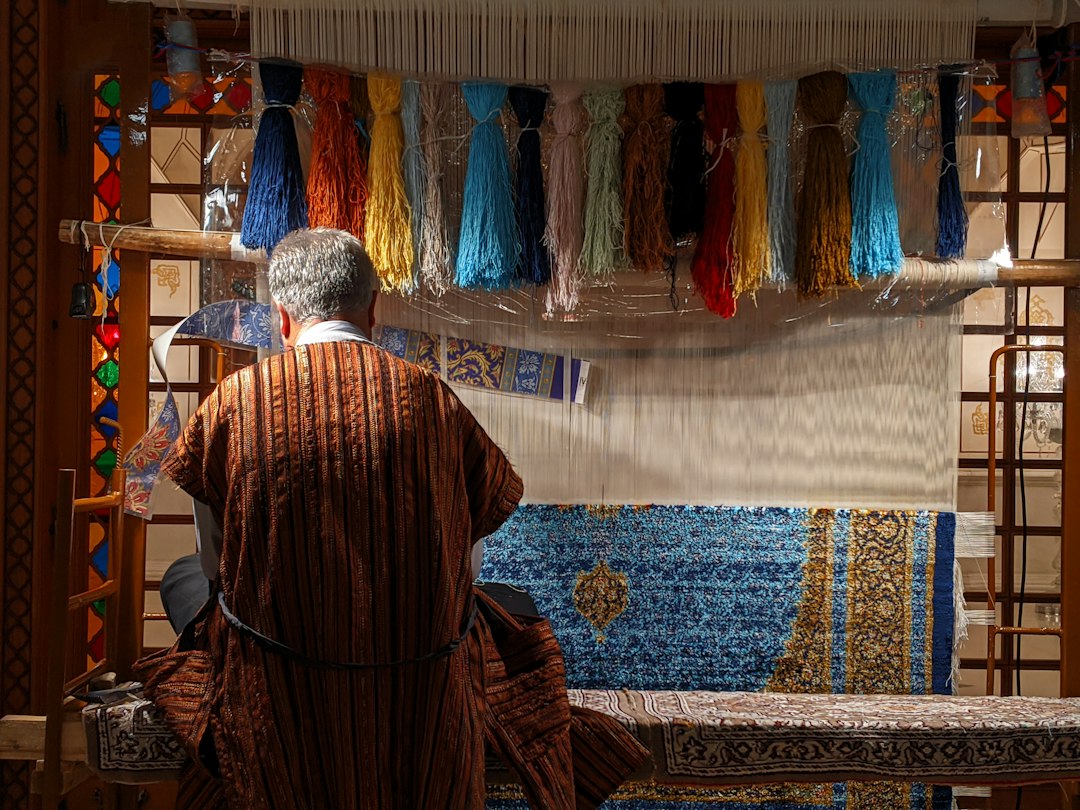
Garment construction in cooperatives often involves traditional techniques passed down through generations, ensuring that each piece carries history and purpose. Skilled artisans pay attention to every detail, creating a final product that is aesthetically pleasing and incredibly durable. Durability is exactly what a capsule wardrobe needs.
Fast fashion replaces itself constantly. Cooperative textile production does the opposite. Brands working with Moroccan artisans use locally sourced materials including vegetable-tanned leather and upcycled fabrics. The focus on long-lasting, timeless design promotes slow fashion and encourages investment in pieces that last for years.
How to choose the right cooperative pieces for your wardrobe
A strong capsule wardrobe needs a small number of versatile items that work across all seasons. In Morocco’s climate, this means lightweight layers for warm months and warmer woven pieces for the Atlas evenings in winter. Start with 3 core categories: woven outer layers, structured daily garments, and artisan footwear.
For woven layers, look for cooperatives that work with handwoven wool and organic cotton. Some labels use sustainable fabrics including organic cotton, recycled fibers, and handwoven wool sourced from local cooperatives. These materials breathe well in heat and insulate gently in cold. One quality piece replaces several cheap alternatives.
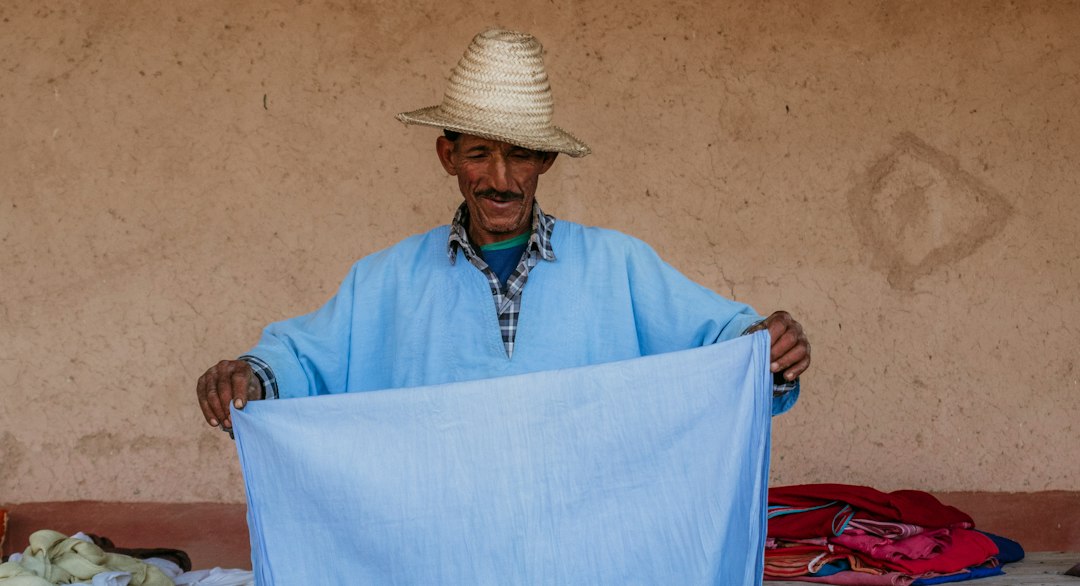
For daily garments, consider the heritage of the kaftan and djellaba reinterpreted for contemporary wear. Designers have deconstructed classic Moroccan garments into wearable jackets, dresses, and shirts for everyday use. Unused silk yarn from local craftsmen is collected and rewoven into new pieces. That approach turns traditional dress into something genuinely wearable on the street rather than reserved for ceremony.
Where to find authentic cooperative textile producers
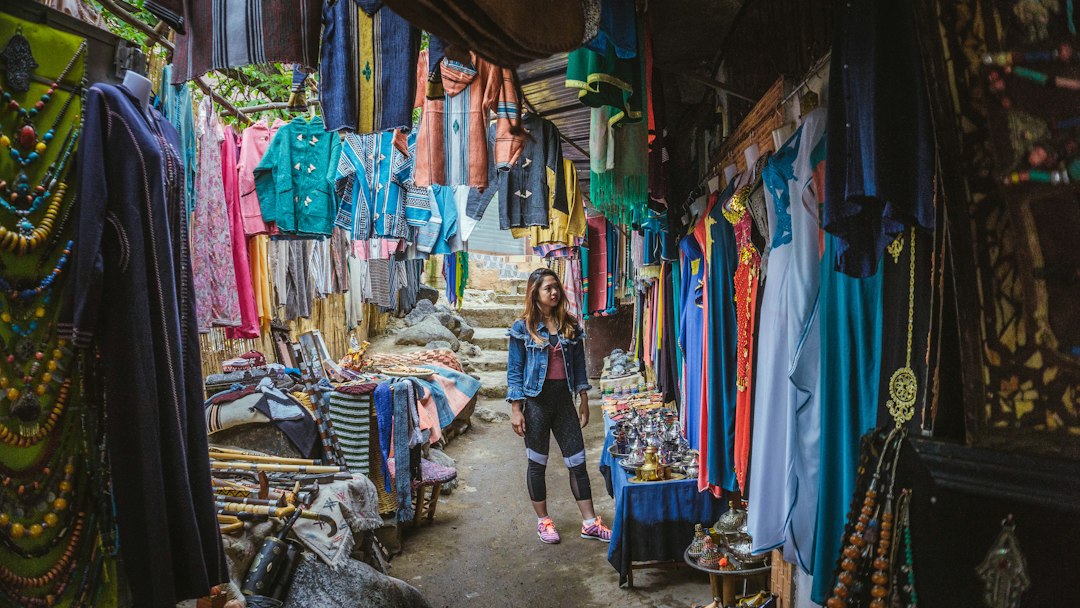
Morocco has a well-organized network of cooperatives across every region. The Anou Cooperative is an award-winning collective of over 600 artisans from cooperatives, associations, and workshops across Morocco. It is owned and managed by Morocco’s artisan community and is open to all authentic artisans committed to quality and transparency.
The cooperative movement in Morocco gained significant legislative momentum after 2010, when the government passed laws simplifying cooperative registration and providing tax incentives for cooperatives in disadvantaged regions. The International Labour Organization and various European development programs have also invested heavily in cooperative capacity-building, particularly for women’s groups.
Additionally, Morocco’s Handicraft Ministry, the Maison de l’Artisan, cooperatives, and businesses striving for artisan empowerment actively work to forge change. Efforts by these stakeholders have provided more direct power to artisans and increased the sustainability of handicraft trades. When you buy through verified cooperatives or platforms connected to these networks, you know your money reaches the maker directly.
-






Expert perspective on cooperative fashion and sustainability
Building a capsule wardrobe from cooperative sources is not about limiting your choices. It is about making better ones. When a garment takes weeks to produce by a skilled artisan using traditional techniques, it carries an inherent value that no mass-produced item can replicate. The longevity of cooperative pieces is not accidental. It comes from the direct relationship between the maker and the material, from the knowledge that a poorly made piece reflects on the cooperative, not just on one worker on a distant assembly line. Moroccan cooperatives offer something rare in global fashion: accountability at every step. That accountability is what makes the capsule wardrobe model not just sustainable in theory, but sustainable in practice.
Industry perspective, sustainability and artisan sector professionals in Morocco
How to build your wardrobe across 4 seasons
Morocco’s seasons are distinct. Your cooperative capsule wardrobe should reflect this. In spring, a handwoven cotton shirt and a light linen trouser form the foundation. Summer calls for breathable natural-fiber pieces in neutral tones that work across day and evening. Autumn brings the opportunity to add a handwoven wool jacket in a color that anchors the whole wardrobe.
In winter, a structured djellaba in heavy wool serves as both coat and statement garment. Caftans and jumpsuits crafted with a commitment to sustainability and ethical fashion are available for men and women. Some producers apply a zero-waste policy and make each garment to order. Made-to-order means you invest once and wear for years.
The key rule is simple: buy fewer pieces and buy them from cooperative artisans who stand behind their work. All products from reputable cooperatives are made by members at fair wages, and the price you pay goes primarily to the artisan rather than to a chain of intermediaries.
Conclusion: your capsule wardrobe starts with one cooperative choice
A capsule wardrobe built from Moroccan cooperatives does not require a large budget or a complete wardrobe replacement overnight. Start with 1 piece. Choose a handwoven scarf, a structured kaftan-cut jacket, or a pair of vegetable-tanned leather babouches. Traditional clothing from Morocco showed remarkable growth in export demand, rising by 75 percent in 2025, which reflects how the world already recognizes what Moroccan artisans produce. Your capsule wardrobe becomes stronger with every cooperative piece you add. Invest in artisan heritage, and fast fashion will never feel necessary again. Visit a cooperative near you or explore verified artisan platforms, and let your wardrobe tell a story worth keeping.
Discover more about capsule wardrobe
- Ministry of Craft and Social Economy – Morocco
- Moroccan handicraft exports grow 11% in 2025 to reach MAD 1.23 billion
- Morocco Artisan Cooperatives Guide: Argan, Weaving and Pottery