
Sun protection in Morocco is not just a summer habit, it is a daily act of care that connects who we are today with everything our grandmothers already knew.
Why June sun in Morocco demands real action
In cities like Marrakesh, May and June record the highest UV index of 12, which represents a critical risk for skin damage, with a burn time of just 10 minutes. That number should stop you in your tracks. Most of us step outside without a second thought, especially when we have grown up under this sky and feel comfortable in its warmth.

Morocco benefits from more than 300 days of sunshine per year, which, while appealing, means prolonged exposure to harmful UVA and UVB rays. This is not a problem that arrives only in summer. But June, with its long days and near-vertical sun angle, raises the risk to a level that demands a clear and consistent routine.
UV levels peak between 10 AM and 3 PM, and awareness of these fluctuations is essential for preventing sunburn and maintaining long-term skin health. If you plan your outdoor activity around these hours, even in a familiar city like Casablanca or Fez, you already protect yourself more than most people do.
The sunscreen habits that actually work
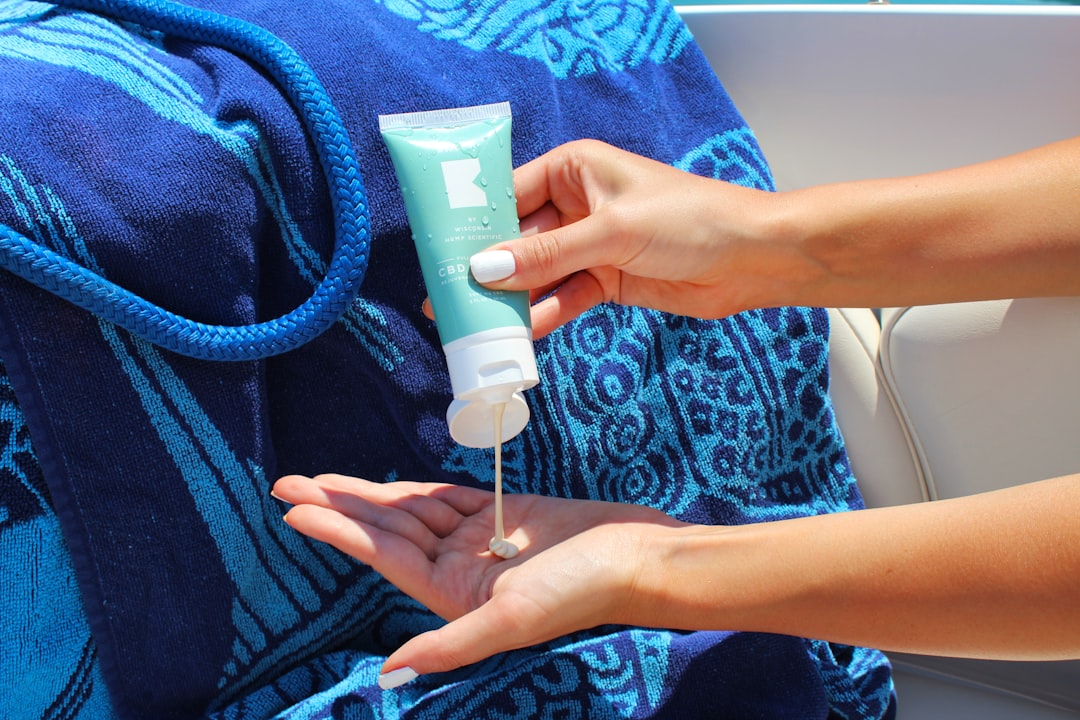
It is recommended to apply a broad-spectrum sunscreen covering both UVA and UVB, of at least SPF 30, and to apply it generously across the full adult body. Many people apply too little, or apply it once and forget it for the rest of the day. This is a common mistake.
Re-apply every 2 hours, in particular after sweating, swimming, or exercising outdoors. Morocco in June is hot. You will sweat. You will rinse your face. You must re-apply. Keep a small bottle in your bag and treat it like your phone, never leave home without it.
A broad-spectrum SPF 50 product protects against both UVA and UVB rays. For daily city use, a tinted or lightweight formula works well under makeup or alone. Choose a product suited to your skin type, and apply it every morning before you leave the house, not after you arrive at the beach.
Shade, clothing, and the wisdom of our ancestors
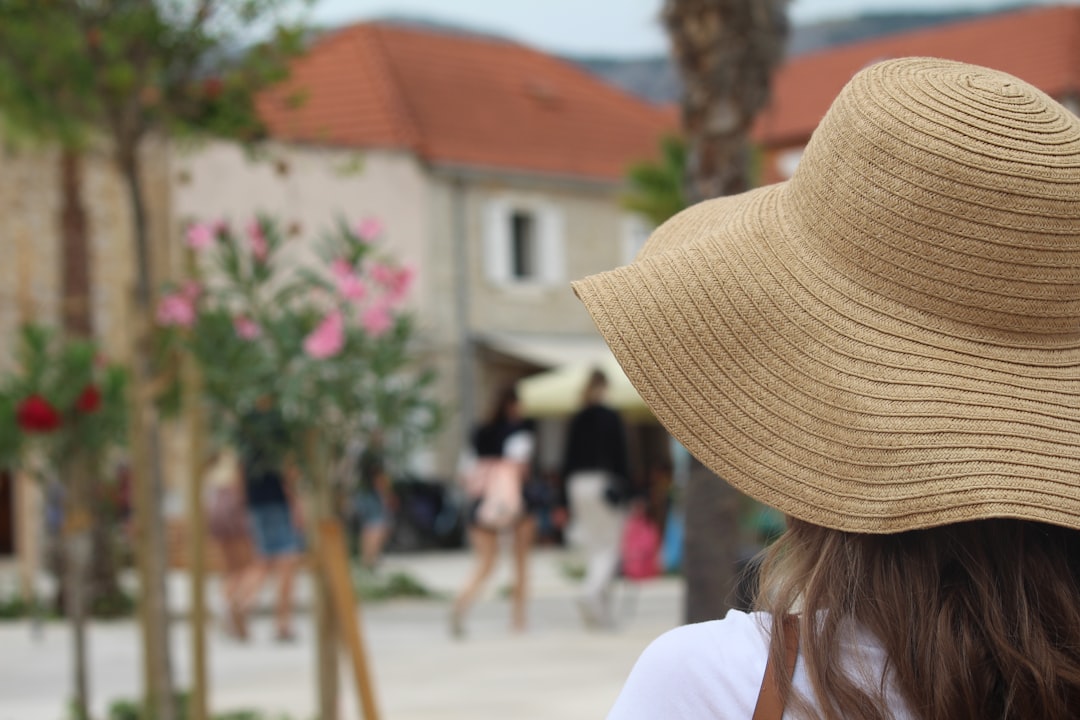
Long before sunscreen came in a tube, Moroccan women understood the value of shade and fabric. The djellaba, the wide-brimmed straw hat found in rural markets, the medina’s covered souks: these were not only aesthetic choices. They were practical answers to a sun that has always been powerful here.
The best UV protection when outdoors is achieved with clothing. A hat with a wide brim offers UV protection for the eyes, ears, face, and the back of the neck. Modern lightweight fabrics now make it easy to cover up without feeling heavy or restricted. A breathable linen shirt and a wide hat cost very little and protect a great deal.





The sun’s UV rays are strongest 2 hours before to 2 hours after solar noon. Wherever possible, limit UV exposure during these hours, particularly during the spring and summer months. Schedule your outdoor errands for the morning or late afternoon. Sit inside or under a canopy between noon and 3 PM. This is not avoidance, it is good sense.
The heritage perspective on skin care
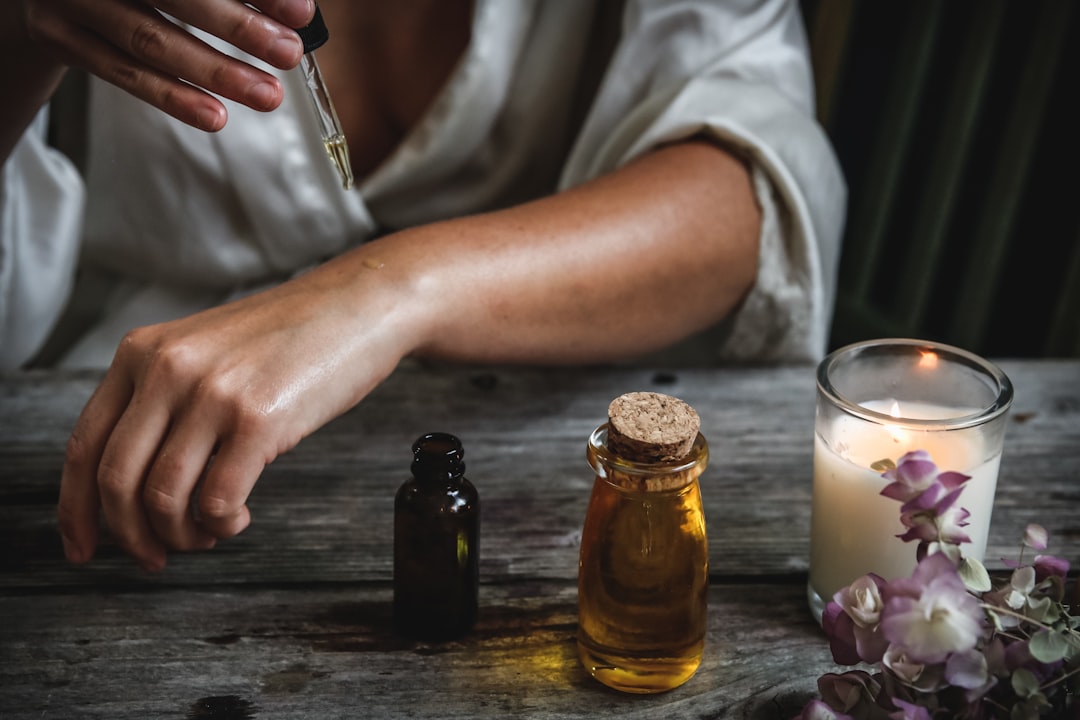
Morocco has always had its own answer to the sun. For generations, Amazigh women in the Souss region applied argan oil every morning as a barrier between their skin and the harsh climate. This was not cosmetic, it was protection. The oil is rich in vitamin E and essential fatty acids, which support the skin’s natural barrier and help it recover from heat exposure. Today, many dermatologists recommend using a nourishing oil in the evening after sun exposure, and argan oil fits perfectly into that role. It does not replace sunscreen, but it works alongside modern products in a way that feels genuinely Moroccan. A good routine here means combining what science gives us with what the land has always offered. That combination is not a compromise, it is a strength.
Industry perspective, beauty and skin care professionals in Morocco
Hydration from the inside and outside
Skin that lacks hydration reacts more strongly to sun exposure. When you are dehydrated, your skin loses its ability to regulate heat and repair itself. In June, drinking enough water is not optional, it is part of your sun protection strategy.
Apply a light moisturizer after cleansing each morning, before your sunscreen. Look for ingredients like hyaluronic acid or aloe vera. Argan oil prevents the skin from drying out due to climatic conditions and maintains an optimal level of hydration across all layers of the skin. A few drops applied at night help your skin recover from the day’s exposure.
Eat water-rich foods: cucumber, watermelon, tomatoes. Moroccan cuisine already includes many of these naturally. A bowl of chilled cucumber salad or a fresh fruit plate at midday is both a pleasure and a form of skin care. Hydration is cumulative, what you eat and drink over many hours matters as much as what you apply to your face.
Sun protection in Morocco: your daily summer routine
A good summer routine in Morocco does not need to be complicated. It needs to be consistent. Daily sun protection is essential, one fundamental principle that remains unchanged in the world of skin care.
Start each morning with cleansing, moisturizing, and SPF 50 sunscreen. Wear a hat and light clothing when you go outside. Avoid the midday sun where you can. Re-apply your sunscreen after 2 hours. In the evening, cleanse your skin, add a few drops of argan oil, and let your face recover overnight. This is sun protection that respects both science and Moroccan tradition.
Share this routine with the people you care about. Your children, your parents, your friends. Sun protection is a habit that protects you not just this summer, but for every summer that follows. Let us make it a normal part of how we live here, because our skin, and our culture, deserve nothing less.
Discover more about sun protection
- WHO guidance on protecting against skin cancer
- CDC: Ultraviolet radiation and skin health
- Sun protection: a practical guide for health professionals (PMC, 2025)