

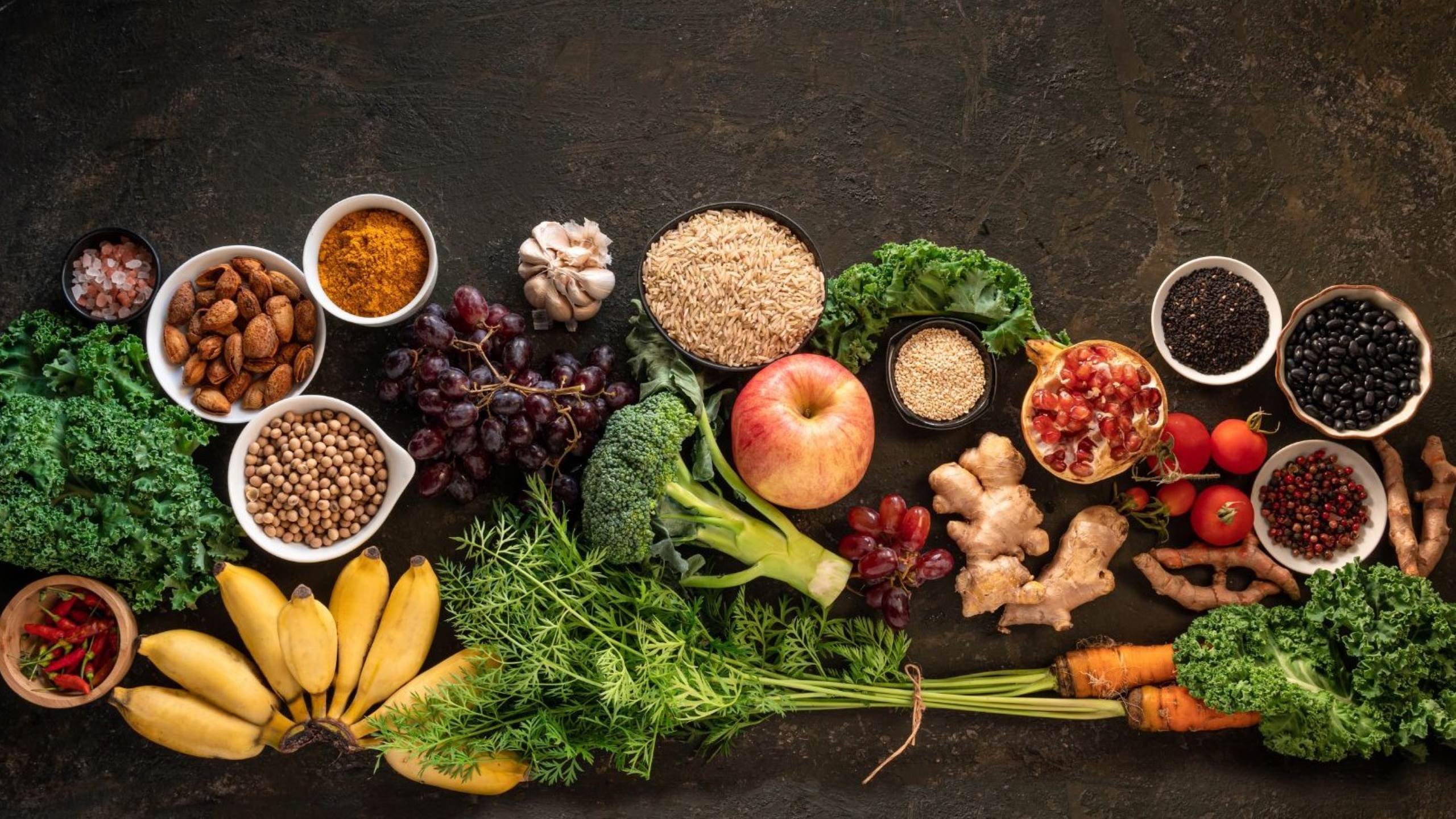
A Tradition Rooted in Plants
Before supermarkets and fast food, Moroccan meals were naturally plant-rich. Couscous with vegetables, lentil soups, and zaalouk (eggplant salad) were everyday staples. Meat was often reserved for special occasions. Returning to a plant-based diet today feels less like a trend and more like reconnecting with Morocco’s original food heritage.



Conclusion
Plant-based eating in Morocco isn’t about rejecting meat or copying global fads—it’s about returning to a balanced, authentic way of living. The Moroccan table has always celebrated grains, vegetables, and legumes. With more awareness and creativity, Morocco can lead by example—proving that sustainability begins not with sacrifice, but with rediscovery.















موضوع في الصميم!
أعجبتني الإشارة إلى أن التحول إلى نظام غذائي نباتي في المغرب ليس موضة مستحدثة، بل هو في الحقيقة “عودة إلى الجذور”! فطعامنا التقليدي (من كسكس بالخضار إلى البصارة والقطاني) غني أساساً بالبقول والحبوب والزيتون.
هذا يؤكد أننا نمتلك في مطبخنا جميع المقومات لتحقيق التغذية المستدامة والصحية بتكلفة معقولة. إنها دعوة للجميع لإعادة اكتشاف ثراء المكونات المحلية والاعتماد عليها.
الأكل النباتي في المغرب ليس مجرد خيار صحي، بل هو عودة إلى جذورنا. أطباق مثل الكسكس بالخضار أو الزعلوك تذكرني بأن المطبخ المغربي غني بالألوان والنكهات الطبيعية. تجربة الأكل النباتي هنا تعلّمني أن الصحة والذوق يمكن أن يجتمعا، وأن التقليد يمكن أن يصبح ابتكارًا حديثًا.
ما يثيرني في هذا الاتجاه هو كيف يمكن للأكل النباتي أن يجمع بين الاستدامة والضيافة المغربية. مشاركة وجبة نباتية مع العائلة أو الأصدقاء ليست مجرد طعام، بل لحظة تعلم وتواصل. إنها دعوة لإعادة النظر في عاداتنا اليومية والاعتزاز بما تقدمه الطبيعة المحلية. 🌿🥗
Manger végétal au Maroc n’est pas seulement une tendance moderne, c’est un pont entre tradition et innovation. Les soupes aux légumineuses, les salades colorées et les plats mijotés rappellent que la richesse de notre cuisine réside dans sa diversité naturelle et locale. Chaque repas végétal est une célébration de la santé et de la culture. 🍅🥘
personnelle 4
Ce qui me fascine dans l’alimentation à base de plantes au Maroc, c’est qu’elle peut être délicieuse, accessible et respectueuse de l’environnement. Même dans les grandes villes, de plus en plus de restaurants proposent des options végétales créatives, montrant que changer nos habitudes alimentaires peut rimer avec plaisir et responsabilité. 🌱✨
Qué artículo tan interesante! En Marruecos tenemos la suerte de contar con frutas y verduras frescas de una calidad increíble durante todo el año. Muchas de nuestras recetas tradicionales son naturalmente vegetales y llenas de sabor. Es totalmente posible llevar una dieta sana y equilibrada aprovechando lo que nos da nuestra tierra. ¡Un post muy necesario para valorar nuestra gastronomía!
أدركت أن العودة إلى الأكل النباتي في المغرب ليست غربة عن هويتنا، بل رجوع بسيط إلى جذورنا حيث الخضر والعدس والكسكس كانوا أساس المائدة، وكأن التوازن الذي نبحث عنه اليوم كان دائمًا بين أيدينا فقط نحتاج أن نراه من جديد 🌱🇲🇦✨
أشعر أن الأكل النباتي في المغرب ليس مجرد توجه حديث، بل هو عودة إلى جذورنا الغذائية الأصيلة، حيث كانت الوجبات مليئة بالخضار والبقوليات قبل انتشار الوجبات السريعة واللحوم الغنية 💚🍅. المغرب غني بالخضر، الزيتون، والحريرة بالخضار، ما يوضح أن النظام النباتي ممكن وصحي، رغم أنه ما زال جديداً في بعض المدن والمجتمعات 🌍🥣💪. إنه خيار يربط بين الصحة والبيئة ويمنح شعوراً بالرفاهية 🌱🙂.
Merci pour cet excellent article axé sur le style de vie ! C’est tout à fait vrai que notre cuisine marocaine regorge déjà de plats riches en légumes, comme le zaalouk ou les soupes de lentilles. Adopter ce mode de vie sain n’est pas seulement un retour à nos racines culinaires, c’est aussi le moyen idéal pour faire le plein d’énergie et se sentir au top, surtout lorsqu’on est en pleins préparatifs pour un grand événement personnel comme un mariage. L’expérience de Salma partagée dans l’article est d’ailleurs très inspirante
موضوع في غاية الأهمية، فهو يذكرنا بأن المطبخ المغربي الأصيل يعتمد في جوهره على خيرات الأرض والنباتات. العودة إلى هذه الجذور ليست مجرد خيار غذائي، بل هي نمط حياة يعزز الصحة والحيوية. شكراً لكم على تسليط الضوء على هذه الثقافة الغذائية التي تجمع بين اللذة والمنفعة، والتي تجعل من تبني نظام نباتي في المغرب أمراً ممكناً وممتعاً في آن واحد
أحيانًا لا يكون التجديد في البحث عن أطباق بعيدة، بل في العودة ببصيرة جديدة إلى ما كان على موائدنا دائمًا. البساطة التي ورثناها قد تكون أذكى طريق نحو توازن أعمق. 🌿
الزعلوك والتكتوكة من أحب الأطباق عندي وما كنت أعرف أنها نباتية رسميا. شكرا على التعريف بمطعم نيا في الدار البيضاء، أكيد بزوره قريبا.