

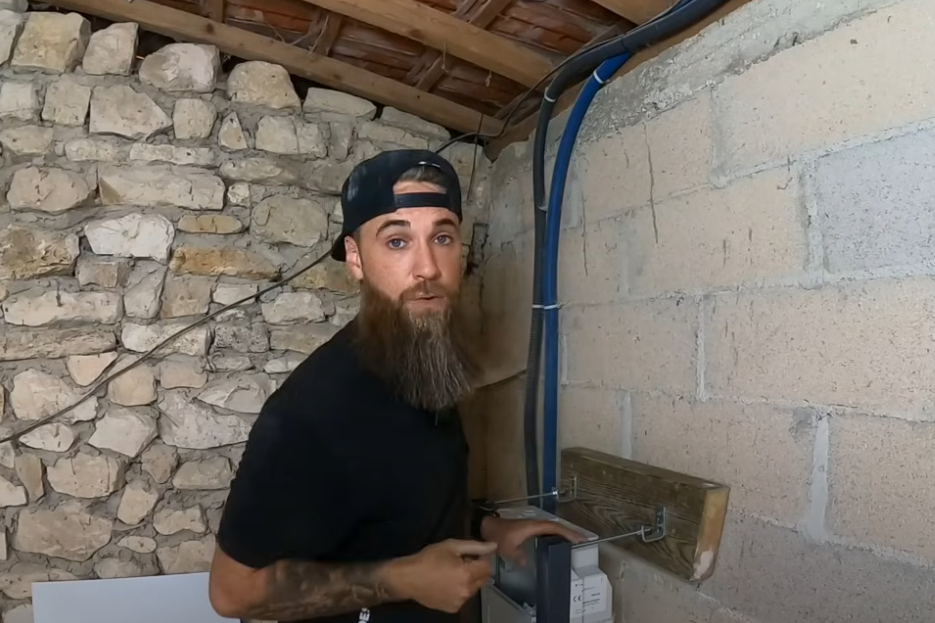
The 9 Key Points Covered in the Video
1. Introduction to Multi-Layer Plumbing
The video opens by explaining what multi-layer plumbing is and why it’s a popular choice in modern installations. It highlights the inherent benefits of these pipes, such as durability, flexibility, resistance to corrosion, and excellent thermal insulation.

This introduction sets the stage for understanding the value of using multi-layer pipes over traditional materials.
2. Preparation and Planning
A significant portion of the video is dedicated to the planning phase. The presenter stresses the importance of taking accurate measurements before making any cuts. Detailed planning is crucial—not only to minimize material wastage but also to ensure that the pipe lengths fit perfectly with the overall plumbing layout.
This upfront attention to detail is presented as a key factor in avoiding common installation pitfalls.

5. Common Pitfalls and Troubleshooting
The presenter addresses several potential issues during installation. For example, misalignment of the pipe or improper seating in the connector are highlighted as common mistakes. The video offers practical advice on how to detect and correct these issues, reinforcing the importance of following manufacturer guidelines closely.
6. Leak Testing and Final Checks
After installation, the system is pressurized to test for leaks. This is a critical final step, as it confirms that all fittings are secure and that the installation meets the required safety standards. The video underscores that thorough leak testing is essential before the system goes into regular use.






7. Use of Appropriate Tools
Throughout the video, there’s an emphasis on using the right tools for the job—deburring tools, proper pipe cutters, and correct push-fit connectors are all highlighted. The presenter explains that using manufacturer-recommended tools not only makes the process smoother but also increases the longevity and reliability of the plumbing installation.










معلومات قيّمة جداً عن أنظمة السباكة متعددة الطبقات. إن مقاومتها للتآكل وعزلها الحراري الممتاز يجعلها خياراً متقدماً للمنازل العصرية. التركيز على استخدام الأدوات المتخصصة لقطع الأنابيب وضمان إزالة الحواف هو مفتاح النجاح لضمان عدم حدوث أي تسريب مستقبلاً. مقال تعليمي ممتاز!
أعجبني جداً التأكيد على مرحلة ‘التحضير والتخطيط’ وأهمية القياسات الدقيقة قبل البدء بالقطع. هذا يجنب الهواة الأخطاء الشائعة ويهدر المواد. هذه النصائح العملية تجعل السباكة متعدّدة الطبقات عملية قابلة للتطبيق حتى للمبتدئين في أعمال ‘افعلها بنفسك’.
خطوات التركيب واضحة جداً، وخطوة ‘اختبار التسرب’ النهائية هي الأكثر أهمية لضمان سلامة النظام. هذا التركيز على الجودة والسلامة يرفع من مستوى أي مشروع ‘افعلها بنفسك’. هذا النوع من المحتوى الفني مفيد لكل من المحترفين والهواة.
السباكة متعددة الطبقات تذكرني بأن المهارة الحقيقية تكمن في التفاصيل الصغيرة. التركيب الناجح لا يعتمد فقط على الأدوات، بل على التفكير المسبق، الترتيب المنظم، والانتباه لكل لحظة في العمل. إنها دعوة للتأمل في أن أي مشروع، مهما بدا بسيطًا، يحتاج إلى تركيز وانضباط ليكون مستدامًا وفعالًا
Lire cet article m’a fait réfléchir à la beauté du travail bien planifié. La plomberie multicouche n’est pas seulement une question de tuyaux et de raccords, c’est un exemple concret de la manière dont la patience, la précision et l’attention aux détails transforment un projet ordinaire en un système durable et fiable. Chaque étape, chaque joint, raconte l’histoire d’un travail soigné et réfléchi.
¡Qué guía tan detallada sobre la fontanería multicapa! Es cierto que este sistema ha facilitado muchísimo las reformas en casa, ya que es mucho más manejable y duradero que el cobre tradicional. Me ha gustado mucho que mencionen la importancia del calibrado y de usar las herramientas adecuadas para el prensado; a veces la gente se salta esos pasos y es ahí donde aparecen las fugas. Un artículo imprescindible para los que nos gusta hacer nuestras propias reparaciones con acabados profesionales. ¡Buen trabajo