To provide the best experiences, we use technologies like cookies to store and/or access device information. Consenting to these technologies will allow us to process data such as browsing behavior or unique IDs on this site. Not consenting or withdrawing consent, may adversely affect certain features and functions.
The technical storage or access is strictly necessary for the legitimate purpose of enabling the use of a specific service explicitly requested by the subscriber or user, or for the sole purpose of carrying out the transmission of a communication over an electronic communications network.
The technical storage or access is necessary for the legitimate purpose of storing preferences that are not requested by the subscriber or user.
The technical storage or access that is used exclusively for statistical purposes.
The technical storage or access that is used exclusively for anonymous statistical purposes. Without a subpoena, voluntary compliance on the part of your Internet Service Provider, or additional records from a third party, information stored or retrieved for this purpose alone cannot usually be used to identify you.
The technical storage or access is required to create user profiles to send advertising, or to track the user on a website or across several websites for similar marketing purposes.








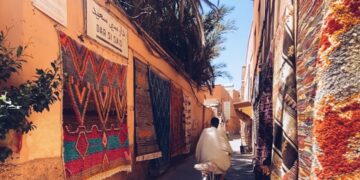








القصبات المغربية ليست مجرد جدران من الطين، بل صفحات من تاريخ حيّ. بنيت لتحمي الناس والقوافل وتُظهر قوة العائلات والقبائل، ومع ذلك ظلت منسجمة مع الطبيعة التي بُنيت منها. بعض الأساطير تحيط بها، لكن الحقيقة الأجمل أنها شاهد صامت على عبقرية الإنسان المغربي وقدرته على تحويل التراب إلى حضارة. 🏰✨
أحيانًا يكفي أن ننظر إلى قصبة قديمة لنتذكر أن التاريخ ليس بعيدًا… بل ما زال قائمًا بيننا. 🌄📜
تشير المصادر إلى أن القصبات كانت مساكن محصنة لعائلات نافذة أو قادة محليين، بُنيت غالبًا من الطين المدكوك الذي يحافظ على البرودة صيفًا والدفء شتاءً، كما كانت لها أبراج وأسوار للدفاع عن السكان والممتلكات.
بين أسوار القصبات لا تسكن الحجارة فقط… بل تختبئ حكايات من زمنٍ بعيد، تختلط فيها الحقيقة بالأسطورة؛ فكل جدار طيني يحمل أثر سلطةٍ مرّت، وكل زاوية تهمس بقصص الجن والكنوز والرحيل… كأن التاريخ هنا لا يُروى، بل يُشعَر 🌄🏰✨ فهذه المعالم ليست مجرد أطلال، بل ذاكرة حيّة تُذكّرنا أن ما يبدو صامتًا قد يكون أكثر الأشياء كلامًا
Qué artículo tan fascinante! Las kasbahs son verdaderas joyas de nuestra arquitectura y nuestra historia. A menudo, al recorrer las rutas por el Atlas y los valles del sur, me quedo maravillado con estas fortalezas de tierra que resisten el paso del tiempo. Descubrir la verdad detrás de los mitos nos ayuda a entender que eran mucho más que simples fortalezas defensivas; eran el corazón vivo de nuestras comunidades. ¡Un contenido perfecto para quienes amamos la carretera y explorar el patrimonio auténtico de nuestro país