


Why Moroccan Textiles Perfect Eco-Friendly Gift Wrapping
Traditional disposable gift wrapping creates massive environmental waste annually. First, 2.3 million pounds of gift wrap reach landfills yearly despite recycling efforts. Additionally, glossy gift wrapping contains plastics making materials unrecyclable.
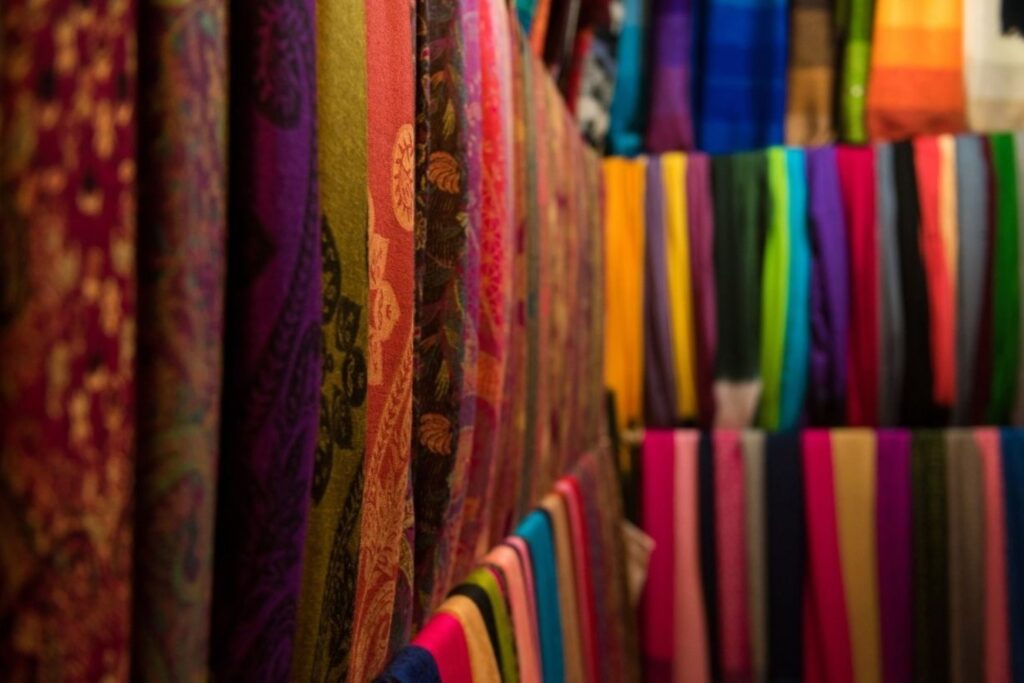
Moroccan textiles provide superior eco-friendly gift wrapping alternatives. Moreover, handwoven fabrics from Atlas Mountain artisans offer sustainable reusable options. For instance, handira wedding blankets featuring wool, sequins, and embroidery create stunning gift wrapping presentations. Meanwhile, natural fibers including cotton, wool, and sabra silk decompose naturally unlike synthetic wrapping paper.
Consequently, Moroccan textiles transform gift wrapping from wasteful practice into meaningful cultural celebration. Thus, sustainable gift wrapping through traditional textiles honors artisan heritage while protecting environments.
Furoshiki Technique Adapted for Moroccan Textile Gift Wrapping
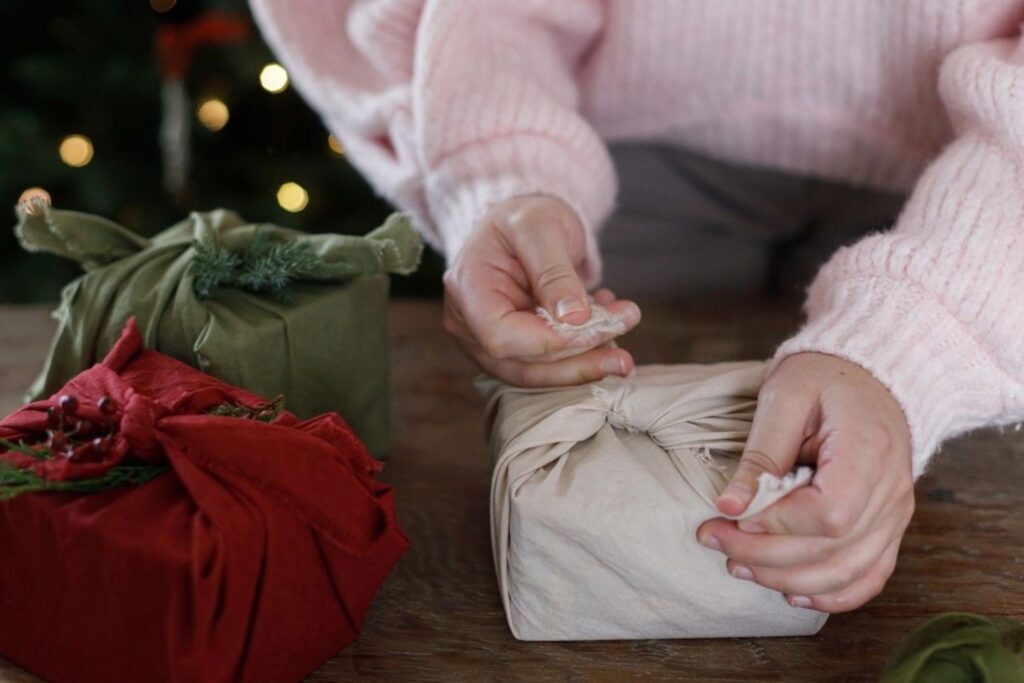
Japanese Furoshiki wrapping methods adapt perfectly to Moroccan textiles creating elegant eco-friendly gift wrapping. First, basic Furoshiki involves placing gifts diagonally on fabric and tying opposite corners together. Additionally, various Furoshiki knots accommodate different gift wrapping shapes and sizes.
Moreover, square Moroccan scarves sized 50x50cm to 90x90cm work ideally for gift wrapping small to medium items. Furthermore, larger handira blankets handle oversized gift wrapping requirements beautifully. For instance, bottle gift wrapping uses vertical folding techniques securing cylindrical shapes elegantly.





Meanwhile, practice Furoshiki gift wrapping techniques using old scarves before attempting expensive textiles. Consequently, mastering basic folding patterns enables confident sustainable gift wrapping. Thus, combining Moroccan textiles with Japanese techniques creates culturally rich eco-friendly presentations.

Conclusion: Eco-Friendly Gift Wrapping Preserves Moroccan Heritage
Moroccan textiles demonstrate how eco-friendly gift wrapping solutions exist within cultural traditions rather than requiring imported alternatives. From handira wedding blankets to sabra silk scarves and handwoven cotton, traditional fabrics offer sustainable reusable options. Moreover, Furoshiki techniques adapted to Moroccan textiles create elegant presentations honoring both Japanese and Moroccan heritage.
Traditional gift wrapping through textiles reduces environmental waste while supporting artisan communities throughout Atlas Mountains and beyond. Additionally, personal testimonials prove eco-friendly gift wrapping delivers cultural connection and environmental benefits simultaneously. Therefore, Moroccans should embrace traditional textile gift wrapping immediately reviving ancestral customs.
Furthermore, Morocco’s commitment to artisan crafts ensures sustained textile availability benefiting future generations. Indeed, the nation’s weaving heritage, cooperative networks, and cultural values create ideal conditions for eco-friendly gift wrapping adoption. Visit souks today, learn Furoshiki techniques, and transform celebrations through sustainable Moroccan textile gift wrapping.
Ready to wrap sustainably? Visit The Souks for authentic textiles, explore Tameslouht cooperatives, and discover beautiful eco-friendly gift wrapping using Moroccan heritage!





فكرة عبقرية تجمع بين الأناقة والاستدامة!
إن استخدام المنسوجات المغربية الأصيلة (مثل الحنديرة، أو حرير الصبرا، أو الشال الأمازيغي) كبديل لورق الهدايا البلاستيكي هو عودة ذكية لجذورنا. هذا الأسلوب لا يقلل النفايات فحسب، بل يضيف قيمة معنوية وتاريخية للهدية، حيث تصبح “اللفافة” بحد ذاتها قطعة فنية يمكن إعادة استخدامها.
دمج تقنية الـ “فوروشيكي” اليابانية مع اللمسة المغربية هو تجسيد حقيقي للرقي البيئي. شكراً لكم على هذا المقال الذي يشجعنا على الاحتفال بمسؤولية تجاه كوكبنا وتقدير لصناعنا التقليديين.
مقال يفتح آفاقاً جديدة للإبداع!
تقديم الهدية مغلفة بقطعة من المنسوجات المغربية اليدوية يعكس ذوقاً رفيعاً واهتماماً بالتفاصيل؛ فالألوان الزاهية والزخارف التقليدية تضفي سحراً لا يمكن لورق الهدايا العادي أن يمنحه.
الجميل في هذه المبادرة هي “الاستمرارية”؛ فالمتلقي يحصل على هديتين في آن واحد: المحتوى الداخلي، وقطعة قماش مغربية أصيلة يمكنه استخدامها كوشاح أو ديكور منزلي. إنها أفضل طريقة لنشر ثقافة “زيرو ميكة” و**”زيرو نفايات”** بلمسة مغربية خالصة. شكراً مجلة ماويب على هذا الإلهام!
استخدام المنسوجات المغربية لتغليف الهدايا يجمع بين الجمال، الاستدامة، واحترام التراث، لتصبح كل هدية قصة قابلة لإعادة الاستخدام 🌿✨
Es fantástico ver cómo podemos reinventar el uso de nuestros tejidos tradicionales para un futuro más sostenible. El envoltorio ecológico no es solo una tendencia para este 2026, sino una forma de dar valor real al ‘Hecho en Marruecos’. ¡Un artículo muy inspirador para emprendedores و (y) creativos!
Utiliser nos magnifiques textiles marocains pour emballer des cadeaux est le mariage parfait entre tradition et écologie. C’est une manière authentique de valoriser notre artisanat tout en réduisant les déchets. En cette période de festivités et de préparatifs, c’est l’astuce idéale pour offrir des cadeaux qui ont du sens et un cachet unique. Merci pour cette belle inspiration durable qui sublime nos habitudes