
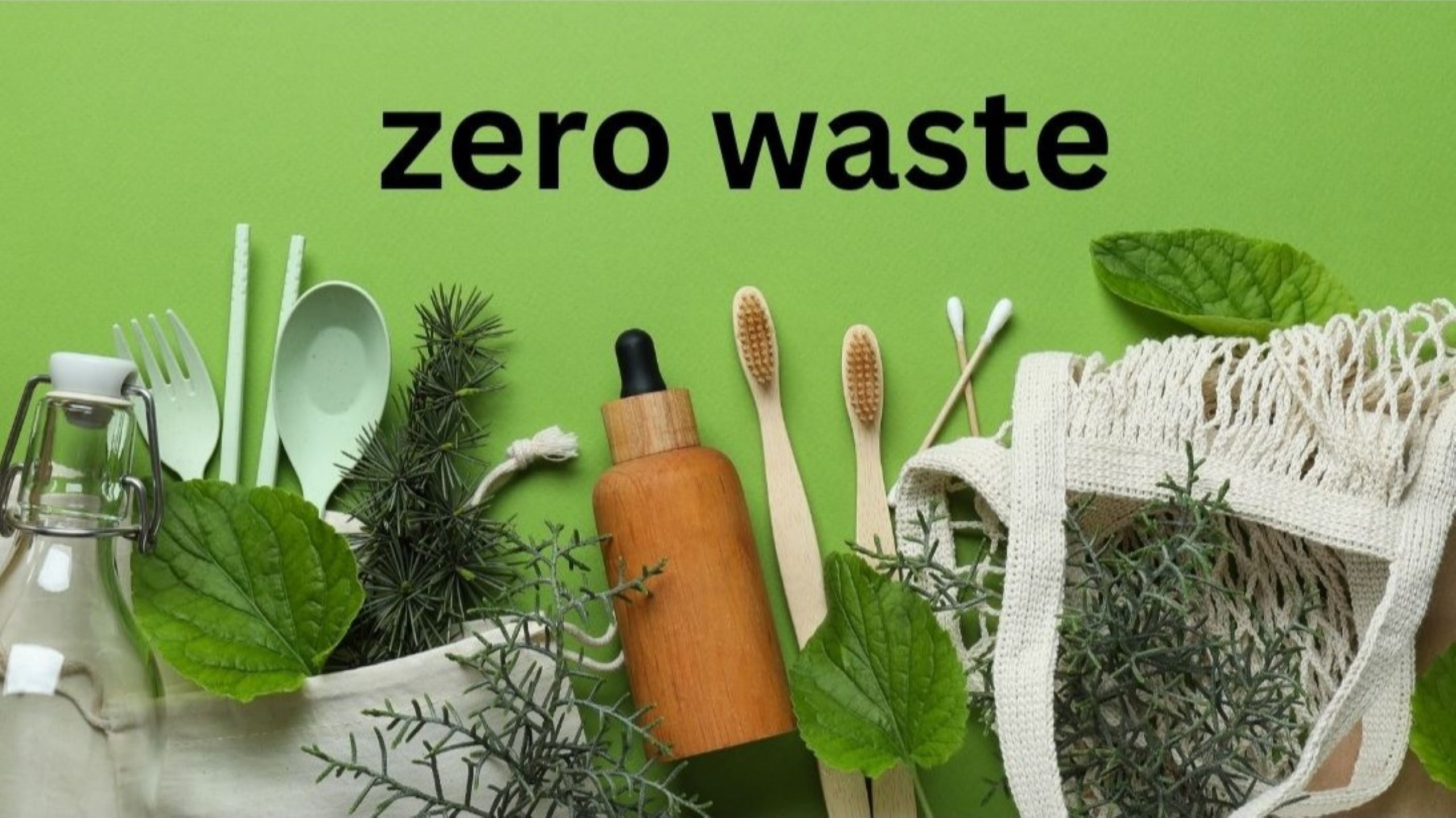
Zero waste living revolutionizes how Moroccan households approach daily consumption. Moreover, embracing sustainable practices doesn’t demand overwhelming lifestyle changes. Indeed, simple eco-friendly swaps create meaningful environmental impact over time. Additionally, Morocco’s growing green consciousness makes 2025 the ideal year to start. Furthermore, these ten reusable alternatives help you reduce waste effortlessly. Therefore, transforming your home into an eco haven begins with small, manageable steps today.
Why Should Moroccan Homes Adopt Zero Waste Practices?
Morocco generates over 7 million tons of waste annually. However, only 10% receives proper recycling treatment currently. Consequently, landfills overflow while plastic pollutes our beautiful coastlines.

Nevertheless, zero waste principles offer practical sustainable solutions. For instance, reducing single-use items cuts household waste by 60%. Additionally, eco-friendly choices save money despite higher upfront costs.
Moreover, Morocco’s 2030 environmental strategy emphasizes waste reduction goals. Thus, your green actions align with national sustainability priorities. Indeed, every reusable swap contributes to cleaner cities statewide.
What Kitchen Swaps Create the Biggest Impact?
Kitchens produce 40% of household waste in Morocco. Therefore, this room offers excellent zero waste opportunities. First, replace plastic wrap with beeswax wraps for food storage.
Second, swap disposable sponges for natural loofahs grown locally. Furthermore, choose glass containers instead of plastic Tupperware options. These sustainable alternatives last years, not months.
Next, use cloth napkins rather than paper versions. Meanwhile, stainless steel straws replace single-use plastic ones. Finally, compost food scraps to create nutrient-rich soil naturally.

How Can Bathrooms Become More Sustainable?
Bathroom products generate significant plastic waste across Moroccan households. However, simple eco swaps dramatically reduce this environmental burden. For example, solid shampoo bars eliminate plastic bottle waste.
Additionally, bamboo toothbrushes replace conventional plastic versions perfectly. Moreover, these green alternatives biodegrade naturally after disposal. Thus, they don’t contribute to landfill problems long-term.

Furthermore, reusable cotton pads substitute disposable makeup remover wipes. Meanwhile, refillable soap dispensers minimize packaging waste considerably. Indeed, these zero waste changes save money while protecting nature.

Real Stories: Zero Waste Success in Casablanca
Amina Benjelloun, Environmental Consultant, Casablanca
“Our family struggled with overflowing trash bins weekly. However, implementing zero waste swaps changed everything dramatically. We started with reusable shopping bags and beeswax wraps. Additionally, we switched to bamboo toothbrushes and cloth napkins.
Within three months, our household waste decreased by 65%. Moreover, we saved 400 dirhams monthly on disposable products. The sustainable transition felt surprisingly easy and rewarding. Indeed, our children now champion eco-friendly choices enthusiastically.”
Morocco Spring 2026: 7 Best Day Trips from Marrakech
Day trips from Marrakech offer the chance to explore some of Morocco's most spectacular landscapes and cultural treasures. Moreover, tourists...
Moroccan Real Estate Spring 2026: Buyer’s Guide
Real estate markets across Morocco experienced a revival in spring 2026, attracting domestic and foreign buyers. Furthermore, the sector is...
Morocco Eid al-Fitr 2026: 8 Best Festive Restaurants
Restaurants across Morocco are preparing exceptional Eid al-Fitr menus to celebrate the end of the holy month. These establishments combine...
Morocco Q1 Business 2026: 5 Post-Ramadan Strategies
The success of Moroccan companies throughout Q1 annually is determined by business strategy planning for the post-Ramadan period. Furthermore, the...
Which Shopping Habits Support Zero Waste Living?
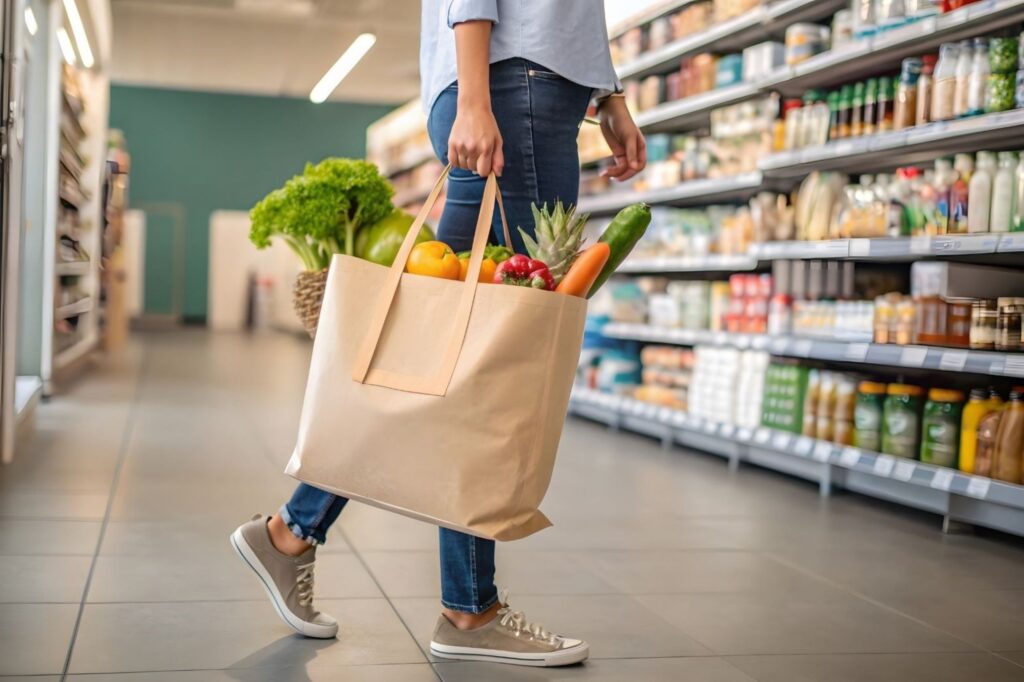
Shopping behaviors significantly influence waste generation in Moroccan homes. Therefore, conscious purchasing decisions matter tremendously for sustainability. First, always carry reusable bags to local souks and supermarkets.
Second, buy bulk items using your own containers. Furthermore, choose products with minimal or recyclable packaging materials. These green habits reduce unnecessary waste substantially.
Moreover, support local farmers’ markets for fresh produce options. Additionally, avoid individually wrapped items whenever possible practically. Thus, thoughtful shopping creates lasting zero waste impact.

How Can You Reduce Waste Beyond the Home?
Zero waste principles extend beyond household boundaries in Morocco. Therefore, carry a reusable water bottle to avoid plastic purchases. Additionally, keep cloth produce bags for grocery shopping trips always.
Moreover, choose digital receipts instead of paper versions when possible. Furthermore, repair broken items rather than replacing them immediately. Thus, supporting local repair shops promotes sustainable community economies.
Indeed, these eco-friendly habits complement your home swaps perfectly. Consequently, your zero waste lifestyle creates broader environmental impact daily.
Conclusion: Start Your Zero Waste Journey Today
Zero waste living empowers Moroccan families to protect our environment. Moreover, these ten sustainable swaps demonstrate that eco-friendly changes remain accessible. Indeed, every reusable product replaces hundreds of disposable items annually. Furthermore, green habits inspire communities toward collective environmental responsibility. Therefore, begin your zero waste transformation with one simple swap today. Additionally, share these sustainable practices with friends and neighbors throughout Morocco.
Ready to make a difference? Choose your first eco-friendly swap this week and commit to a greener future. Consequently, together we’ll build a cleaner, healthier Morocco for future generations.
Additional Resources for Sustainable Living
- Morocco Environment Ministry: National waste reduction programs and eco initiatives
- Zero Waste International Alliance: Global sustainable living guidelines and resources
- Zero Waste Europe: Practical tips and case studies for zero waste households


مقال توعوي رائع! لقد سلط الضوء بذكاء على أن مشكلة النفايات في المغرب تبدأ من داخل منازلنا (المطبخ والحمام).
أكثر ما أعجبني هو التركيز على أن مبدأ “صفر نفايات” ليس مكلفاً أو معقداً، بل يعتمد على تبديلات بسيطة (مثل استبدال الأكياس البلاستيكية بأكياس القماش في الأسواق، أو استخدام الصابون الصلب). هذا التغيير البسيط يوفر المال ويحقق تأثيراً كبيراً في تقليل التلوث البلاستيكي في مدننا وسواحلنا. شكراً لكم على هذه النصائح العملية!
مقال قيم جداً يسلط الضوء على قضية حيوية لمستقبل بيئتنا في المغرب. إن تبني مفهوم ‘صفر نفايات’ (Zero Waste) داخل منازلنا هو الخطوة الأولى والأساسية لمواجهة التلوث البلاستيكي وحماية سواحلنا ومدننا. الجميل في هذه النصائح أنها بسيطة وقابلة للتطبيق الفوري، كما أنها تعيدنا لبعض عاداتنا التقليدية الأصيلة التي كانت تحترم الطبيعة (مثل استخدام القفة والأواني الزجاجية). شكراً لمجلة ماويب على نشر هذا الوعي الضروري لعام 2025.”
في كل مرة نقرأ عن تقليل النفايات ندرك أن التغيير الحقيقي يبدأ من التفاصيل الصغيرة في البيت. ربما مجرد استبدال شيء بسيط قابل للرمي بشيء قابل للاستعمال مرات كثيرة يمكن أن يصنع فرقًا كبيرًا مع الوقت. فخطوة صغيرة اليوم قد تعني بيئة أنظف غدًا، خصوصًا في بلد ينتج ملايين الأطنان من النفايات كل سنة. �
MAwebzine –
🌿 التأمل الجميل هنا أن حماية الطبيعة ليست مشروعًا كبيرًا ومعقدًا، بل عادة يومية هادئة تبدأ من مطبخنا وحمّامنا وسلة تسوقنا. وعندما تتكرر هذه العادات البسيطة، تتحول إلى أسلوب حياة يحفظ جمال أرضنا للأجيال القادمة.
Qué artículo tan inspirador! Marruecos siempre ha tenido tradiciones muy ligadas a la sostenibilidad, como el uso de la ‘Qoffa’. Es genial ver cómo podemos volver a esas raíces para cuidar nuestro entorno en este 2026. ¡Pequeños cambios hacen una gran diferencia!
J’aime énormément cette approche qui nous encourage à revenir vers des habitudes marocaines authentiques et durables, comme l’utilisation de la ‘Koffa’ ou du savon beldi. Adopter le zéro déchet à la maison est une étape clé pour un mode de vie plus sain et serein. C’est non seulement un geste pour la planète, mais aussi une façon de simplifier notre quotidien tout en valorisant nos traditions locales. Merci pour ces conseils pratiques et faciles à adopter