

Moroccan markets have been plastic-free spaces for most of their long history, and late summer is the most beautiful time to return to that tradition.
What late summer brings to the souk
August and September fill the souk with some of the best produce of the year. July through September is tomato season, and Morocco exports over a billion dollars of tomatoes annually, mostly to Europe. The open-field tomatoes you find at your local market in this period are superior to anything that arrives in a crate. Alongside tomatoes, you will find figs ripening fast, peppers in every color, and the first sweet grapes of the season.

The market is the calendar. Eat what the souk offers today and you are eating in season, from the region, at the peak. This simple logic is something grandmothers in Fez, Marrakech, and Agadir have always known. You do not need a sustainability blog to tell you this. The souk already does.
Seasonal markets in Morocco appear during Ramadan, Eid, and regional harvest periods. These pop-ups often feature special sweets, fresh produce, and festive handicrafts unique to the time of year. The late-summer souk is one of those moments. Go early, go often, and go with the right kit in your hands.
The kit you carry before you leave home
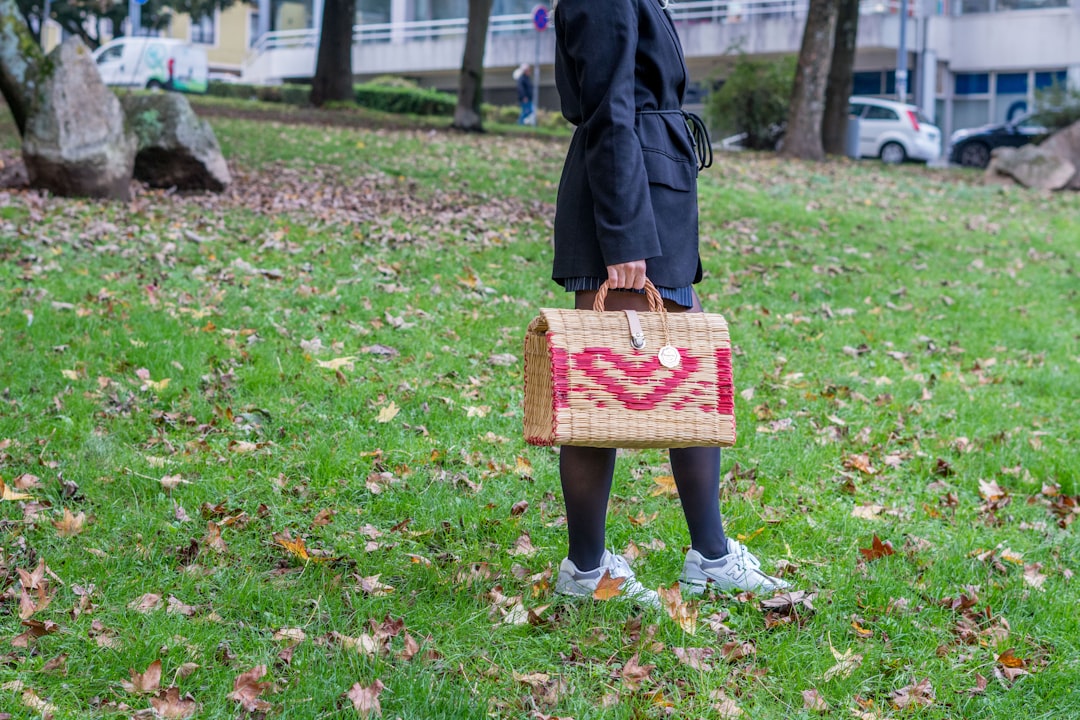
The single most important rule is this: arrive at Moroccan markets prepared, because the souk will not wait for you to find a bag. A woven basket is the traditional choice and still the best one. It is strong, washable, breathable for produce, and it signals to vendors that you are a serious buyer. A cotton tote works well too.
Bring a small reusable bag and refuse plastic bags at market stalls. Take several cloth bags in different sizes. Use a small one for loose spices and herbs, a medium one for tomatoes and peppers, and carry a wide basket for bread and fragile figs. Bring a tote or basket to carry your fresh produce comfortably.
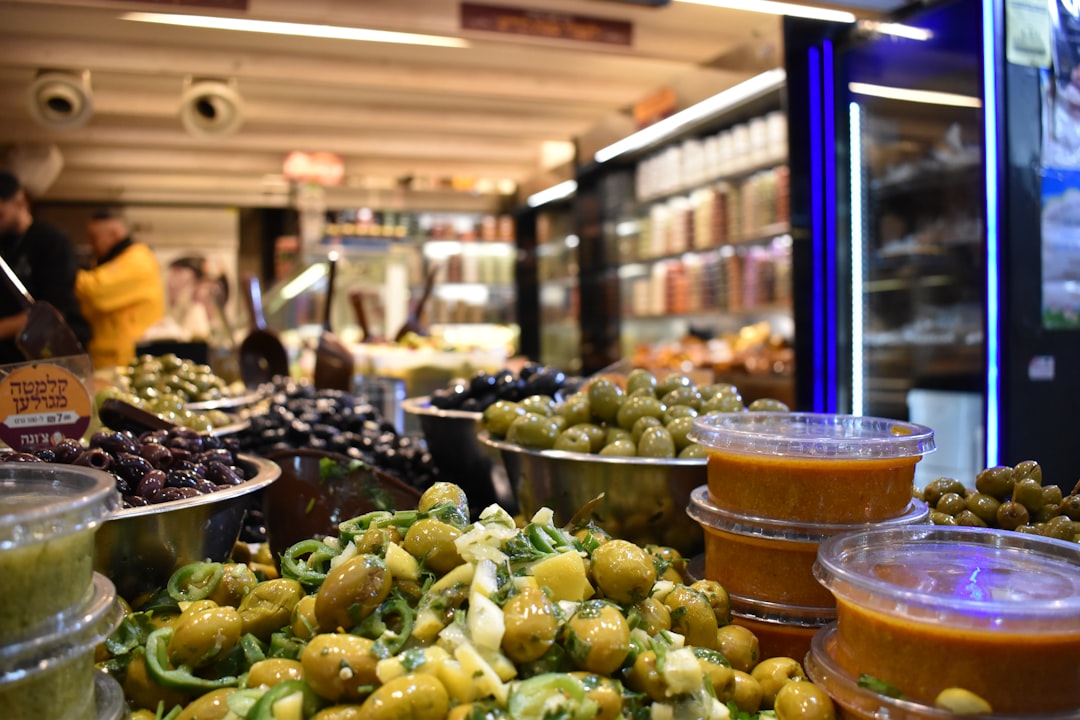
Bring a glass jar or a clean reusable container for olives, preserved lemons, and smen. Vendors at a good souk will fill your container without complaint. Many prefer it. Bring small coins too, because vendors typically do not accept cards, so bring enough Moroccan dirhams in small denominations.
How to move through the market without accepting plastic
Timing matters. Morning hours between 9 and 10 AM present good shopping conditions, as Moroccan merchants consider the first sale of the day a source of baraka (blessing) and often extend more favorable pricing. When you arrive early, the stalls are full, the vendors are relaxed, and you have time to choose carefully.
When a vendor reaches for a plastic bag, hold up your basket and say “la, shukran, 3andi wahd” (no thank you, I have one). Most vendors respond well. Enforcement of the plastic bag ban varies across Morocco. That means your personal choice to carry your own container is still one of the most effective actions you can take. While single-use plastic bags are not usually found in major supermarkets anymore, they are still common at local souks and corner stores.
Moroccan shopping culture is naturally sustainable. Buying only what you need reduces food waste significantly. The emphasis on local markets supports small farmers and keeps money in the community. Shop with those values in mind and each purchase becomes a small act of solidarity with the people who grew what you are carrying home.
Expert perspective on zero waste and the souk
Morocco has made real legislative progress since 2016 with the Zero Mika Law, which banned the production and distribution of single-use plastic bags across the country. However, legislation alone does not change daily habits at the souk level. The real transformation happens person by person, basket by basket, at the point of purchase. Shoppers who arrive with their own containers and bags send a direct market signal to vendors that the demand for plastic is falling. Combined with growing consumer awareness, those small individual acts build collective pressure that no law can create on its own. That is where the next phase of change will come from.
Industry perspective, sustainability and waste management professionals in Morocco
Choosing the right containers for different souk products
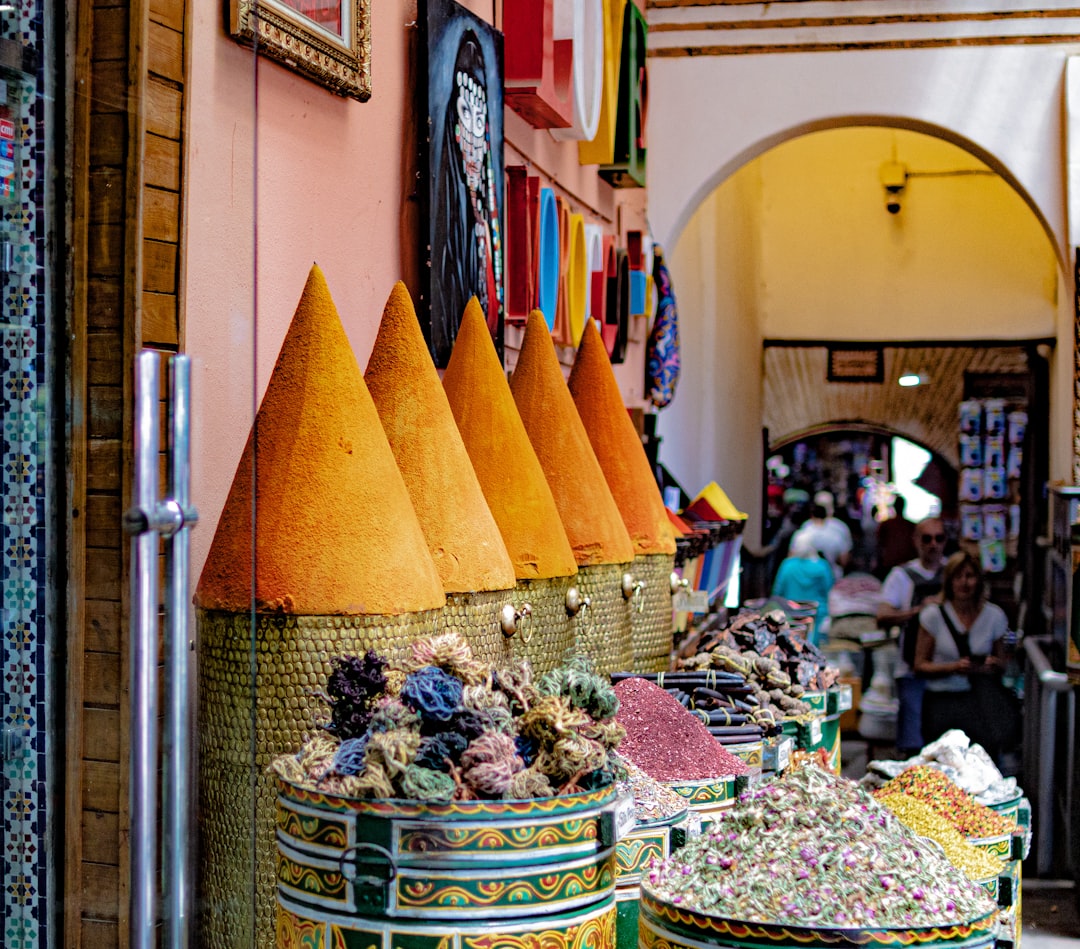
Bread from the communal oven deserves a cloth bag, not a plastic sleeve. Ask the baker to place the loaf directly into your bag. For loose cumin, saffron, and dried herbs, a small glass jar with a lid is ideal. Place des Épices in Marrakech, also known as the Spice Square, is one of the most colorful traditional markets in Morocco, where pyramids of saffron, cumin, and dried flowers line the stalls. You can use the same approach at any spice vendor across the country.






For wet goods like honey and argan oil, a wide-mouthed glass jar works well. Traditional olive oils, organic argan oil, homemade preserves, and naturally produced honey are common finds at a well-stocked souk. Ask the vendor to pour directly. Most will do so with no objection.
For meat, a stainless steel container with a lid is the cleanest solution. It is also the most practical for the walk home in summer heat. A cold pack inside a cloth bag keeps everything fresh without any single layer of plastic wrap.
The deeper reason this matters
Morocco generates more than 1 million tons of plastic every year. The current waste management system in Morocco is not able to safely collect and recycle all plastics, and more than 33% of plastic waste ends up in uncontrolled landfills. Every piece of plastic you decline at the souk is one fewer piece entering that system.
Shoppers who model low-waste habits often influence both fellow visitors and local businesses. The souk is a social space. Aside from being an essential source of fresh produce, the weekly fruit and vegetable souk is a much-loved community event and a means of sharing news among neighbors. When the people around you see your basket and your jars, some of them take note.
The concept of zero waste is gaining popularity in Morocco, but its implementation requires collective commitment. That commitment begins with small, visible, repeated choices. Your basket at Moroccan markets is one of those choices.
Shop Moroccan markets with pride, leave plastic behind
Moroccan markets already hold everything you need for a low-waste life. The basket, the seasonal produce, the vendor who knows your name, the rhythm of buying only what you will eat this week. These are not new habits borrowed from a foreign trend. They are very old habits that this land never fully abandoned.
This late-summer season, bring your basket to the souk and fill it with ripe tomatoes, warm bread, good olive oil, and a handful of fresh coriander. Shop Moroccan markets the way your grandmother did. Refuse every plastic bag. Carry everything home in something that will last another decade. That is the most sustainable choice you can make, and it is already waiting for you in your own kitchen.