
Moroccan tagine has always been the dish my grandmother placed at the center of the table without a word, because no words were needed, the smell did everything.
What makes the Moroccan tagine so special
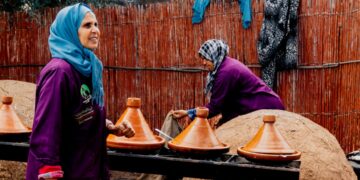
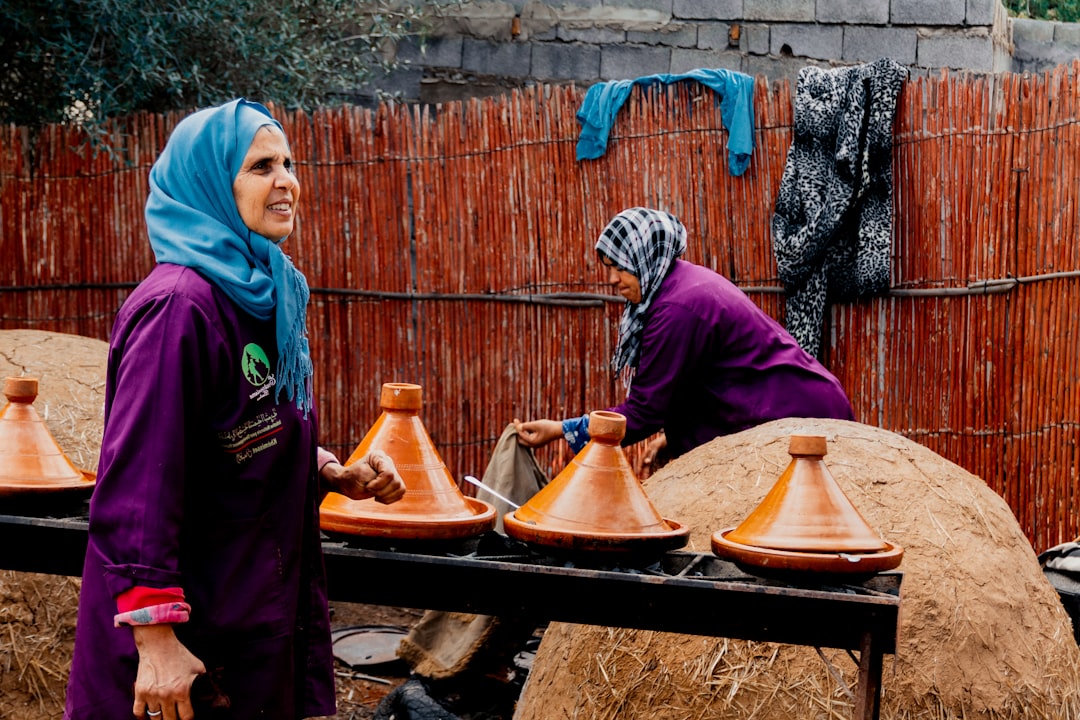
The word “tagine” names both the clay pot and the food inside it. The traditional pottery is earthenware, sometimes painted or glazed, and consists of a circular flat base with low sides and a large cone-shaped cover that sits on the base during cooking. That cone is not decorative. It traps steam during cooking and cycles it back down over the ingredients continuously, creating a level of moisture and depth of flavor that no other cooking method can match.

Beyond technique, the tagine carries deep roots. Tagines are believed to be of nomadic Berber origin, serving as portable ovens that could be picked up and moved. Over centuries, the stews became characterized by Arab, Ottoman, Moorish, and French influences, reflecting the cuisines of the people who have conquered and inhabited North Africa. Today, every Moroccan household holds its own version, its own spice balance, its own memory.
In Morocco, tagine is more than a meal. Families and friends gather around the communal dish, using pieces of crusty bread to scoop up the flavorful stew. This shared dining experience fosters connection and conversation, making tagine an integral part of Moroccan hospitality.
The 4 flavor families you need to know
Before exploring the 8 dishes, understanding the base categories helps. There are 4 main categories of tagines, named by their fat and seasonings. Tagine m’qualli uses olive oil, turmeric, saffron, and ginger and is yellow in color. Tagine m’hammer features butter or ghee, paprika, and cumin and is brownish-red. Tagine mchermel uses chermoula, a Moroccan marinade of olive oil, herbs, lemon, garlic, and spices. Finally, tagines in tomato sauce use olive oil, tomatoes, cumin, paprika, garlic, and herbs.
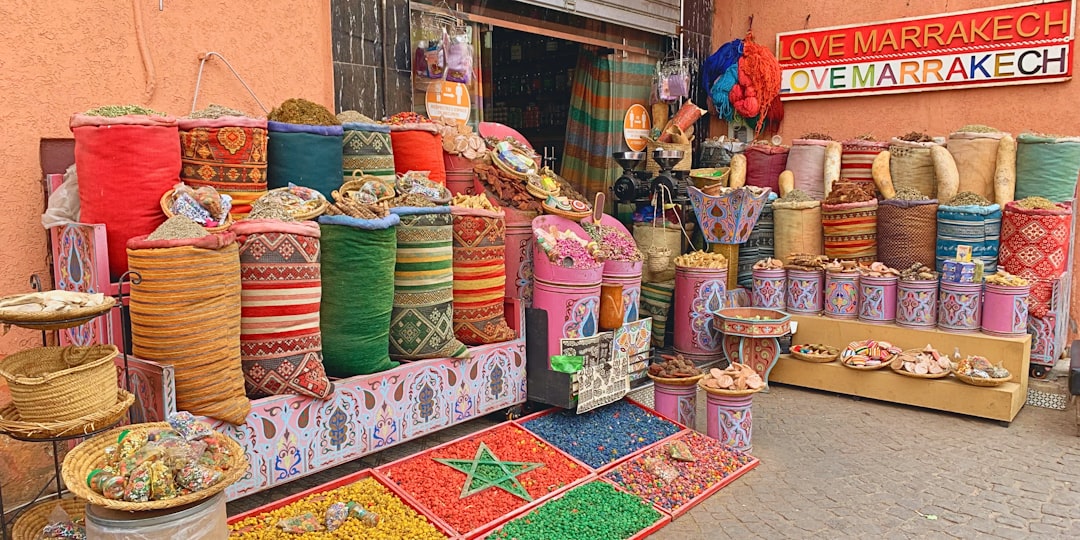
These categories are not rigid. Each household has its own secret recipe featuring basic spices like turmeric or cumin along with regional variations such as ras el hanout, a blend made of over 30 different spices. The categories simply explain why a lamb tagine from Fez tastes so different from one made in Agadir.
The delicate balance of sweet and savory notes, often achieved with ingredients such as dried fruits like apricots or dates, adds a unique character to traditional tagine recipes. This sweet-savory combination is a signature thread across all Moroccan cooking.
8 Moroccan tagines every food lover must try
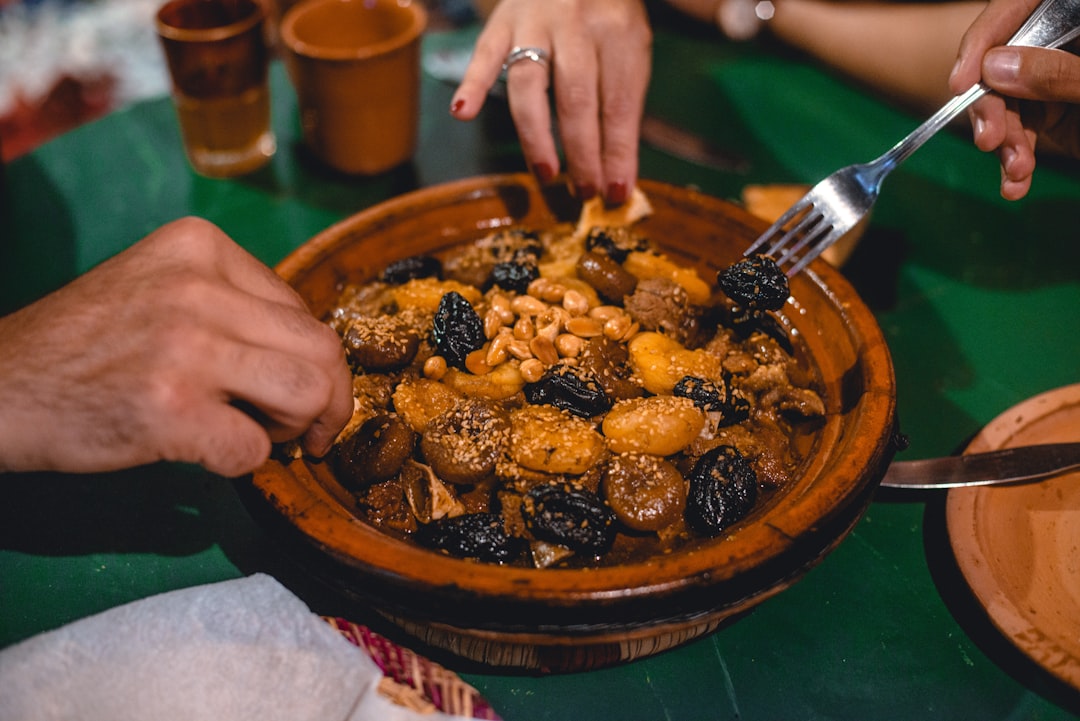
1. Lamb with prunes and almonds (mrouzia). This is the most celebrated tagine: sweet from the prunes, rich from the lamb, aromatic from a blend of ras el hanout, saffron, and cinnamon. It is the tagine that made Morocco famous.
2. Chicken with preserved lemon and olives. This classic dish features chicken pieces braised with spices, garlic, onion, olives, and preserved lemons. It is bright, tangy, and deeply savory. Chicken with preserved lemon and olives is the most commonly ordered version in restaurants across the country.
3. Kefta and egg in tomato sauce. Ground beef is shaped into small meatballs and simmered in a spiced tomato sauce, with eggs cracked directly into the pot at the end. Kefta and egg tagine is the most affordable and widely available version across all price levels. You will find it in medina restaurants, roadside cafes, and family kitchens alike.
4. Fish tagine with chermoula. Along the coast, fillets of fresh fish are preferred over beef and lamb. The fish is marinated in chermoula, layered over potatoes and peppers, then slow-cooked until the sauce becomes dense and fragrant. Cities like Essaouira and Agadir produce their finest versions at the water’s edge.
5. Beef tagine with prunes and caramelized apricots. This is the specialty of Rabat, cooked with prunes and caramelized apricots in a clay pot. It represents the inland, formal style of Moroccan cooking, rich with deep-cooked onions and warm spices.
6. Vegetable tagine with chickpeas. This plant-based version is packed with chickpeas, eggplants, bell peppers, and a mix of aromatic spices. It is not a compromise. Moroccan cooks treat vegetables with the same patience and layering as meat, and the result carries full depth of flavor.
7. Chicken rfissa. Rfissa is a kind of chicken tagine served with thin strips of pan-fried bread similar to msemen, called trid, and then topped with lentils. It is a comfort dish, heavy with fenugreek and saffron, and Moroccan mothers traditionally prepare it for women after they give birth.
8. Rabbit tagine with raisins. Rabbit tagine with Demnate raisins appears on traditional menus in Moroccan home kitchens. It is rural and seasonal, the kind of dish that connects modern Moroccan cooks to a Berber past where nothing was wasted and everything was made to taste extraordinary.
A perspective from Moroccan culinary professionals
Moroccan tagine is not simply a recipe you follow. It is a practice of patience that begins before the pot is placed on the fire. Every cook understands that the quality of the clay, the freshness of the spices, and the slow build of heat are all decisions that carry meaning. The clay pot creates a closed environment where steam circulates constantly, so the food essentially bastes itself for hours. This is why tagine cooked at home almost always tastes different from what you find in a rushed kitchen. The ritual of preparing it, the smell that fills the house, the moment you lift the lid at the table, these are inseparable from the eating itself. Moroccan cuisine is built on time and generosity, and tagine is the purest expression of both.
Industry perspective, traditional Moroccan food culture and culinary heritage professionals




How to experience Moroccan tagine properly
Tear pieces of khobz (Moroccan bread) and use it to scoop the sauce and meat. No separate plate is needed. No fork is required. This is important. The bread is not a side dish. It is the tool.
A real tagine arrives bubbling and fragrant. The sauce is thick and deeply colored. The meat should be so tender it falls apart when you touch it with bread. If it needs a knife, the cook did not give it enough time.
Each Moroccan city is known for its own specialty, reflecting the diversity of local cuisine and its connection to the country’s cultural and social identity. So try more than 1 city. Fez, Marrakech, Rabat, and Essaouira each offer a version of Moroccan tagine that feels entirely its own.

Moroccan tagine: a tradition worth protecting
Moroccan tagine represents one of the world’s most complete culinary experiences. It is not just a meal but an immersive experience that intertwines culinary artistry with rich cultural heritage. Each of the 8 tagines in this list carries a region, a season, and a family story. In April 2025, Morocco launched the national consultation process for a UNESCO project aiming for the first time to publish an International Atlas of Food Heritage, as well as a digital platform to preserve, promote, and make these heritage foods accessible to future generations. The Moroccan tagine is not only a dish to eat. It is a living tradition to understand, respect, and share. Next time you sit down around a clay pot, know that you are part of something very old and very much alive. Share this article with anyone who has ever loved Moroccan food, or anyone who is about to discover it for the first time.