
Tangier Med processed over 11 million containers in 2025, a number that tells you exactly where Morocco’s trade economy is heading: north, fast, and with serious infrastructure behind it.
A port built to compete globally
Tangier Med sits in northern Morocco, 40 km east of Tangier on the Strait of Gibraltar. It lies on the East-West global maritime trade route between Asia, Europe, and North America, with connectivity to more than 180 ports in 70 countries. That position is not an accident. It is a strategic choice that Morocco made and then backed with billions in capital.
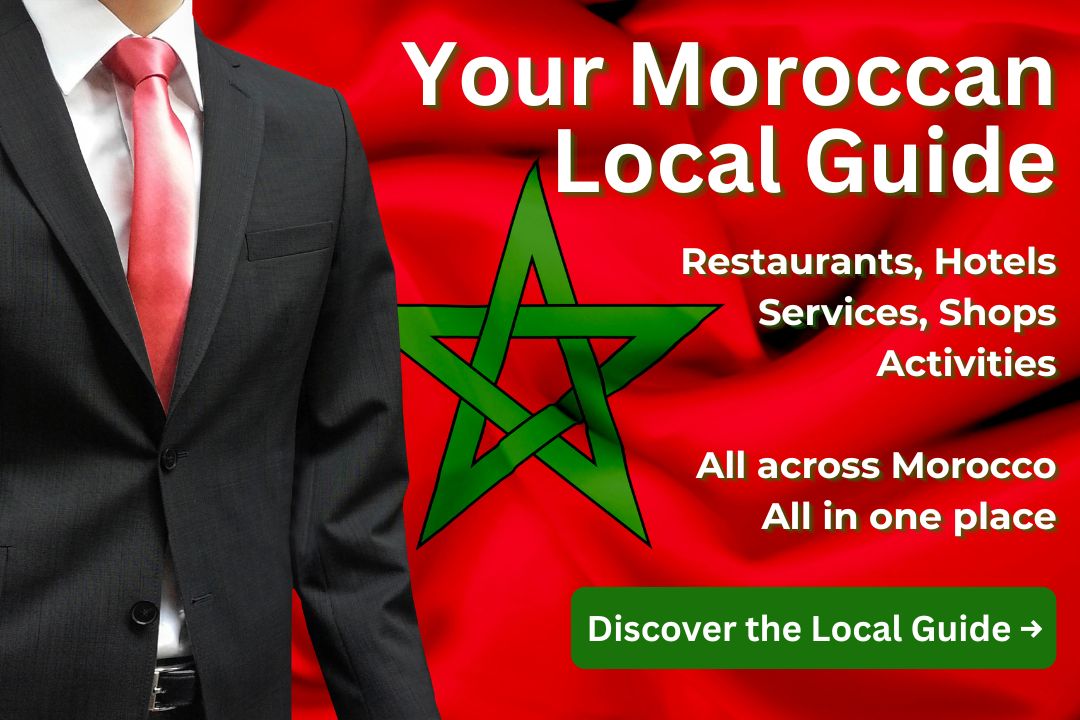
The development of the deep-water port in 2007 marked a milestone, and its subsequent expansion in 2019 added Tanger Med II, transforming it into the largest container port in the Mediterranean. Since then, the growth has been consistent and measurable. In 2025, 11,106,164 TEU containers passed through the Tangier Med facilities, representing an 8.4% increase on 2024.
Morocco’s Tangier Med confirmed its global standing by ranking fifth worldwide in the 2024 Container Port Performance Index, published by the World Bank and S&P Global Market Intelligence. For a country that once depended heavily on agricultural exports, this is a structural shift.
How Tangier Med creates jobs and attracts investment
The port does not operate in isolation. Around it, a full industrial ecosystem has formed. The government established Tanger Med Zones, a cluster of industrial and logistics centers near the port, turning the area into Africa’s leading industrial free zone. Companies arrive, set up, and export from the same location.
These sectors generated a total business volume of MAD 174 billion in 2024, creating over 130,000 job opportunities. Tangier created new jobs 3 times as fast as Morocco as a whole, with an employment growth rate averaging 2.7% compared to 0.9% per year nationally.
Substantial investments in Tangier by French automotive groups Renault and PSA Group have allowed Morocco to become the continent’s leading producer and exporter of cars, surpassing South Africa. Additionally, the country now hosts major automotive parts manufacturers, including France-based Valeo and Japanese companies Yazaki and Sumitomo.
The logistics advantage that entrepreneurs use every day
For Moroccan entrepreneurs in manufacturing and trade, Tangier Med is a practical tool. Growth in truck traffic at the port is explained by a 4.8% increase in exports of industrial products and 4.3% in agri-food products, making Tangier Med a key element in the Moroccan economy.
The Tangier Free Zone offers 100% exemption from corporate tax for the first 5 years of operation, followed by a reduced rate of 8.75% for the next 10 years. That fiscal structure makes it attractive for both local founders and foreign operators looking for a cost-competitive base.
Officials at the Regional Investment Centre of Tangier-Tetouan-Al Hoceima highlighted the success of Tangier Med as a factor in attracting foreign direct investment, pointing to investment opportunities in northern Morocco in key economic sectors and facilities in terms of tariffs and customs procedures. The message to entrepreneurs is consistent: the infrastructure is in place, and the conditions are favorable.
Expert perspective on the port’s regional role
Morocco’s port strategy at Tangier Med is not simply about moving boxes. It is about repositioning Morocco as a manufacturing and logistics node at the center of the Africa-Europe corridor. The industrial free zone model around the port has proven that proximity to infrastructure, combined with competitive tax regimes, can attract global supply chains quickly. What we see today is a second phase: the port is now pulling in technology companies, aerospace suppliers, and agri-food exporters alongside automotive giants. For entrepreneurs in Morocco, the opportunity is not only to supply global multinationals already installed at Tangier Med, but to build their own export platforms using the port’s connectivity. The 180-port network and same-week delivery to European markets are not advantages reserved for large corporations. They are accessible to any business that plans carefully and positions itself inside the ecosystem.
Industry perspective, trade and investment professionals in Morocco
Automotive and aerospace: the export sectors reshaping Morocco’s trade profile
Automotive represents Morocco’s number 1 export sector since 2022, ahead of phosphates. In 2025, Morocco exported 220,000 vehicles to Europe, including 165,000 Renault and 55,000 Stellantis units. That production line runs directly through Tangier Med’s vehicle terminals.
Beyond automotive, aerospace has grown into a significant contributor. The industrial and free trade zones around the port are home to a diverse array of industries, including automotive, aerospace, textiles, and electronics. Each sector adds a layer to Morocco’s export capacity and reduces its dependence on any single commodity.
Morocco is also set to start operating Nador West Med, its second Mediterranean deep-sea port, in the fourth quarter of this year. The facility will open with an annual capacity of 5 million containers, expandable to 12 million. That expansion signals a long-term national commitment to port-based trade, not a single infrastructure project.





Why Tangier Med matters now more than ever
Tangier Med is central to Morocco’s position as a commercial bridge between Europe and Africa. The results confirm Tangier Med’s position as the leading container port in the Mediterranean and Africa. For entrepreneurs, investors, and logistics operators, that ranking translates directly into market access.
The Tanger Med Port finished the 2024 fiscal year with a revenue of MAD 11.23 billion, marking an increase of 12.3% compared to 2023. Revenue growth of that scale, sustained across multiple years, reflects genuine demand and not temporary gains.
Tangier Med now stands at the center of Morocco’s trade story. Entrepreneurs who understand its ecosystem, its free zones, its tax incentives, and its port connectivity, hold a real competitive advantage. The data confirms this, and the growth trajectory makes the case even stronger. For anyone building a business with export ambitions, Tangier Med is not a background detail. It is the starting point.
Discover more about Tangier Med
- Tanger Med Port Authority: Official Port Complex Information
- Carnegie Endowment: Morocco’s Long Road Toward Economic Transformation
- Atalayar: The Port of Tangier Med Handled Over 161 Million Tonnes of Goods in 2025