
Every year, one holiday reshapes the entire Moroccan economy for several weeks. Eid al-Adha Morocco 2026 is expected on Wednesday, May 27, subject to official moon sighting confirmation. Known locally as Eid el-Kebir, this is the most significant celebration in the Islamic calendar and one of the most economically active periods of the year. Indeed, household spending increases by 40 to 60% during the festival period compared to typical months. Furthermore, 2026 marks a particularly strong return, as the sacrifice was suspended in 2025 following a severe national drought. For families, breeders, and businesses alike, Eid al-Adha Morocco 2026 carries exceptional economic weight.
The Livestock Market: Morocco’s Largest Pre-Holiday Economy
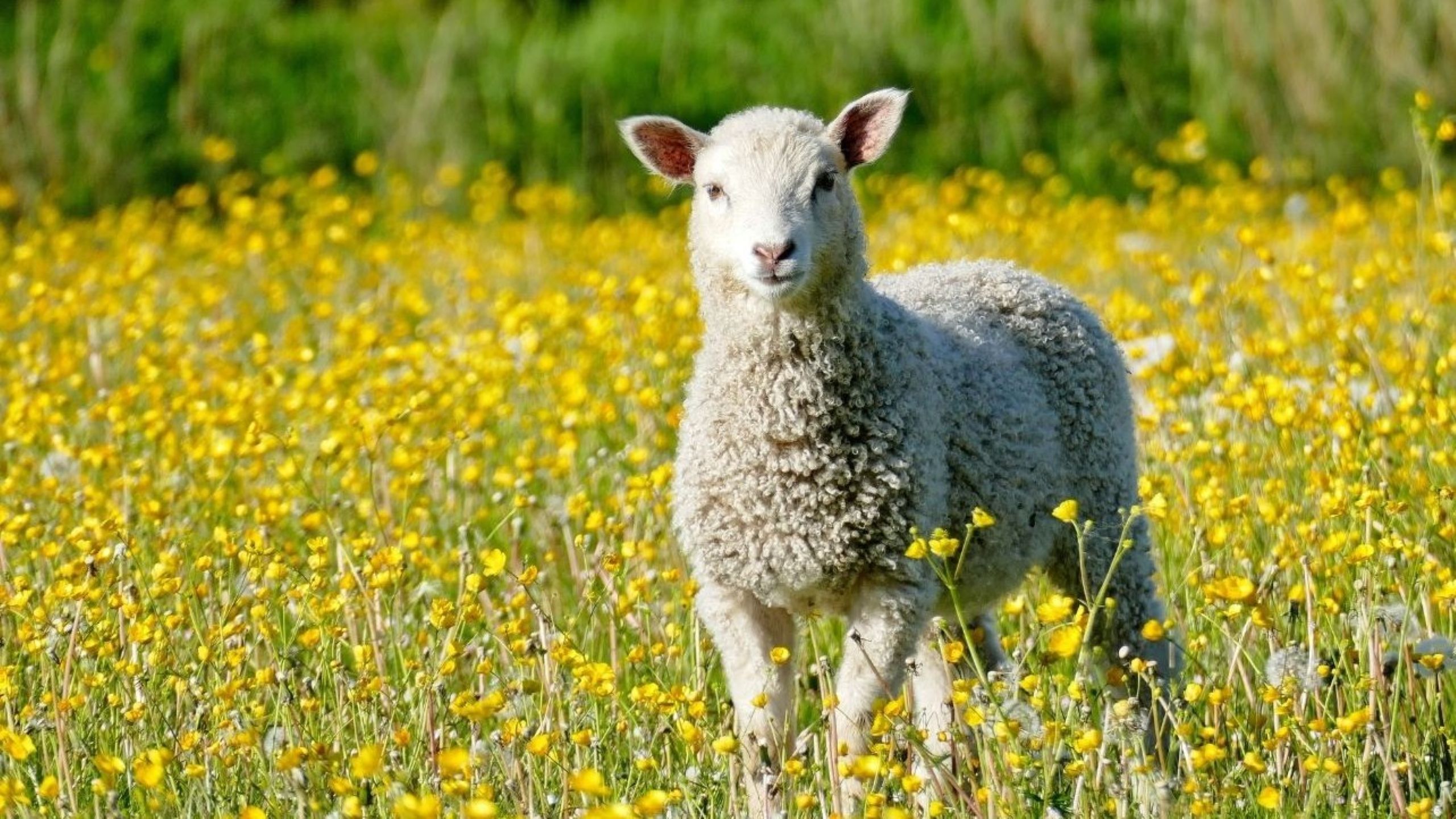
The livestock market is the most visible economic driver of Eid al-Adha Morocco. Morocco’s livestock population has recovered to nearly 40 million head, with between 8 and 9 million sheep and goats available for Eid sacrifice, exceeding projected demand of 6 to 7 million animals.
Sheep prices currently vary by breed, age, and region. In the Tangier-Tetouan-Al Hoceima region, prices range between 65 and 70 dirhams per kilogram of live weight. Average prices in some regions stand between 2,000 and 3,100 dirhams.
Furthermore, activity is already picking up in livestock markets, slaughter facilities, and distribution networks across the country ahead of the feast. Breeders, transporters, and market vendors all benefit directly from this concentrated period of economic activity.
Retail and Clothing: Pre-Eid Spending Reaches Its Peak
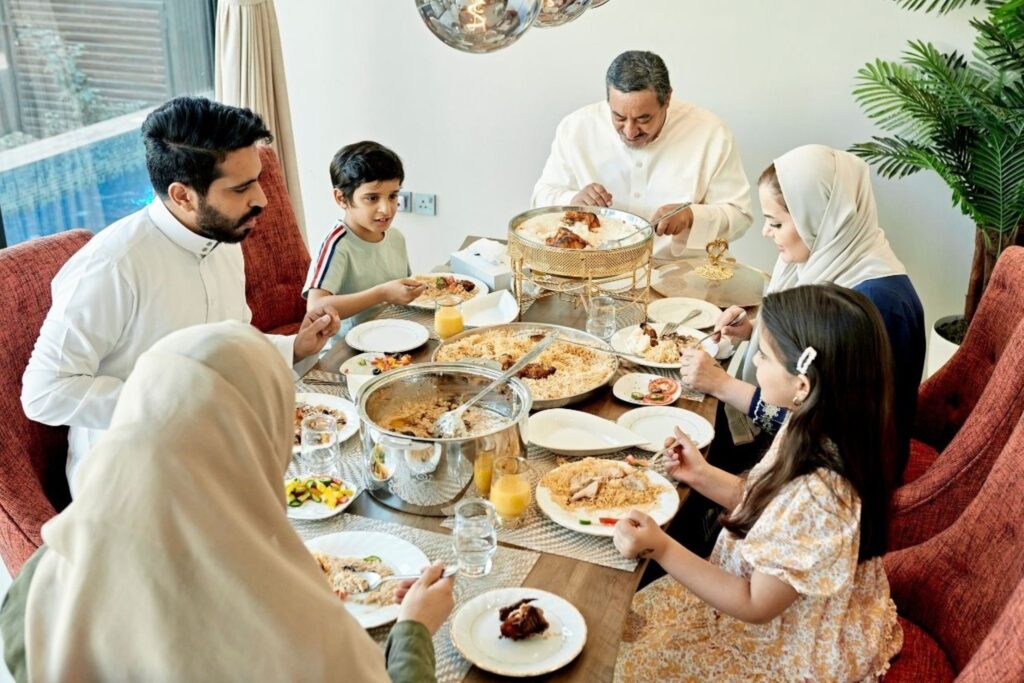
Retail businesses across Morocco experience their strongest sales period in the weeks before Eid al-Adha. Families prepare for weeks: homes are cleaned and decorated, new clothes are purchased, and the air fills with anticipation.
The shopping pattern follows a predictable and intense timeline. Pre-Eid shopping begins approximately 10 to 14 days before the holiday, reaches its highest point in the final 3 days, and extends through the 3-day celebration period.
Consequently, clothing stores, home furnishing retailers, and food suppliers all record strong sales. Additionally, families stock up on fresh spices, fruits, and vegetables, and purchase new clothes, as many markets and stores close during the holiday itself.

The Sacrifice Tradition and Its Economic Distribution
The Qurbani, the ritual sacrifice of a sheep or goat, is the defining act of Eid al-Adha Morocco. The practice carries a direct economic distribution mechanism built into the tradition itself.
The meat is traditionally divided into 3 portions: one for the family, one for relatives and neighbors, and one for those in need. This system moves food and value directly through communities, supporting low-income households across the country during the festival period.

The government’s long-term strategy includes a 3 billion dirham program for 2025 and an additional 3.2 billion dirhams in 2026 to support livestock breeders and preserve female breeding stock. This investment protects the sector that feeds the entire Eid economy.

What Moroccan Families Say About Eid al-Adha 2026
Youssef Amrani, Father of 3, Rabat
“Last year was the first Eid in my life where we did not sacrifice a sheep. My children did not understand the ritual. We still gathered as a family and cooked together, but something important was missing from the home.
“This year is completely different. We started visiting the livestock market 2 weeks early. Prices are reasonable and supply is strong. We budgeted carefully and found a good sheep at a fair price. For our family, 2026 feels like Eid is truly back.”
Royal Theatre Rabat Redefines Morocco’s Culture
Royal Theatre Rabat is set to become one of Africa's most remarkable cultural destinations, and a defining symbol of Morocco's...
Morocco Renewable Energy 2026: 5 Investment Sectors
Morocco is moving faster than most countries in Africa toward clean energy. Renewable energy Morocco targets now exceed 46% of...
Marrakech Morocco 2026: 6 Hidden Garden Gems
Morocco's most visited city holds more than its famous souks and palaces. Marrakech gardens offer peaceful escapes that most tourists...
Morocco Fintech 2026: 10 Apps Changing Banking
Morocco fintech is growing faster than almost any sector in the country's economy. Bank Al-Maghrib reported that mobile payment transactions...
Food Production and the Artisan Economy
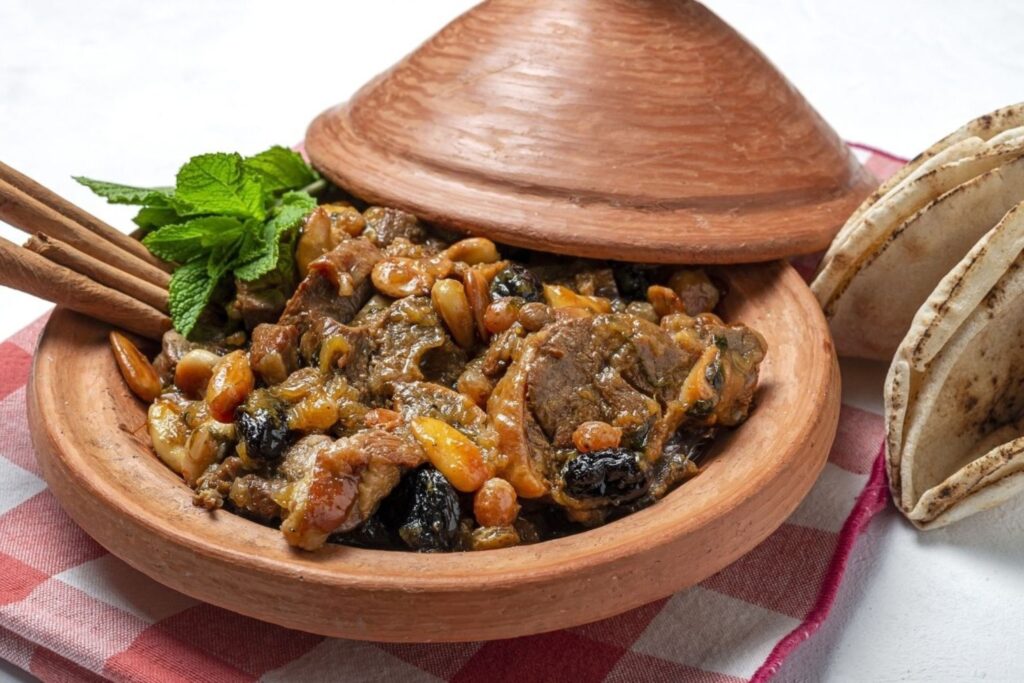
Eid al-Adha Morocco generates significant activity in the food production and artisan sectors. Traditional dishes prepared during the festival include lamb kofta, slow-cooked tagines, liver brochettes, and a range of meat-based dishes that require spices, charcoal, and preparation tools sourced locally.
Artisan markets also benefit strongly from pre-Eid demand. Families purchase traditional djellabas, kaftans, and handmade goods in the days before the holiday. Henna artists, tailors, and souk vendors all see increased demand during this period.
Moreover, Casablanca’s Anfaplace Mall alone attracts over 150,000 daily visitors during the Eid season, reflecting the scale of urban retail activity concentrated around the holiday.

Transport and the National Movement of Families
Eid al-Adha Morocco creates one of the largest internal movement periods of the year. Millions of Moroccan families travel from cities to rural areas to celebrate with parents and extended family. This movement drives demand for train, bus, and shared transport across all major routes.
Trains, buses, and domestic flights become extremely busy as people travel to visit family. Tickets for routes such as Marrakech to Fes, Casablanca to Tangier, and desert connections often sell out several days in advance.
Therefore, transport operators, fuel distributors, and accommodation providers in secondary cities all experience a direct economic benefit from the Eid travel period. The national movement of families is one of the most reliable and large-scale economic events on the Moroccan calendar.
Conclusion: Faith, Family, and Economic Force
Eid al-Adha Morocco is not only a religious celebration. It is one of the country’s most powerful economic moments, mobilizing livestock markets, retail trade, food production, artisan activity, and national transport in a single concentrated period. Furthermore, 2026 marks a strong recovery after the exceptional suspension of 2025, with supply exceeding demand and prices accessible to most families. Eid al-Adha Morocco generates value that flows from breeders in rural regions to families in every city. It is a tradition that sustains communities, supports small businesses, and reinforces the economic bonds that hold Moroccan society together. Prepare early, budget carefully, and participate in one of the most meaningful economic and cultural events of the year.