
CONTACT
  • Login
Upgrade
MAwebzine
Advertisement
  • Home
    • Our Authors
    • MAwebzine Readers Club
    • Media Kit
    • Contact
    • Cookie Policy
    • Terms and Conditions
  • News
  • Lifestyle
    • Beauty
    • Kids
    • Interior Decoration
    • Well-being
  • Vibes
  • Culture
  • Sports
  • Travels
  • Business
  • World
  • Local Guide
    • Activities in Morocco
    • Hotels in Morocco
    • Nightlife in Morocco
    • Restaurants in Morocco
    • Services in Morocco
    • Shopping in Morocco
  • APP
  • Home
    • Our Authors
    • MAwebzine Readers Club
    • Media Kit
    • Contact
    • Cookie Policy
    • Terms and Conditions
  • News
  • Lifestyle
    • Beauty
    • Kids
    • Interior Decoration
    • Well-being
  • Vibes
  • Culture
  • Sports
  • Travels
  • Business
  • World
  • Local Guide
    • Activities in Morocco
    • Hotels in Morocco
    • Nightlife in Morocco
    • Restaurants in Morocco
    • Services in Morocco
    • Shopping in Morocco
  • APP
No Result
View All Result
MAwebzine
No Result
View All Result
Home Lifestyle Sustainable living

Handwoven textiles: Morocco’s sustainable revival

How Moroccan artisans, cooperatives, and conscious consumers are keeping handwoven traditions alive for a better future.

A Moroccan artisan works at a traditional loom, creating handwoven textiles in rich natural colors in a cooperative workshop.

Handwoven textiles are at the center of something remarkable happening across Morocco right now, as artisans reclaim their looms, their dyes, and their right to tell their own stories through cloth.

The thread that never broke

Morocco has always spoken through fabric. In the souks of Marrakech, on the looms of the Middle Atlas, and in the hands of Amazigh women in villages that overlook ancient valleys, weaving has been a living language. The skills passed from mother to daughter are not just techniques. They carry identity, memory, and meaning.

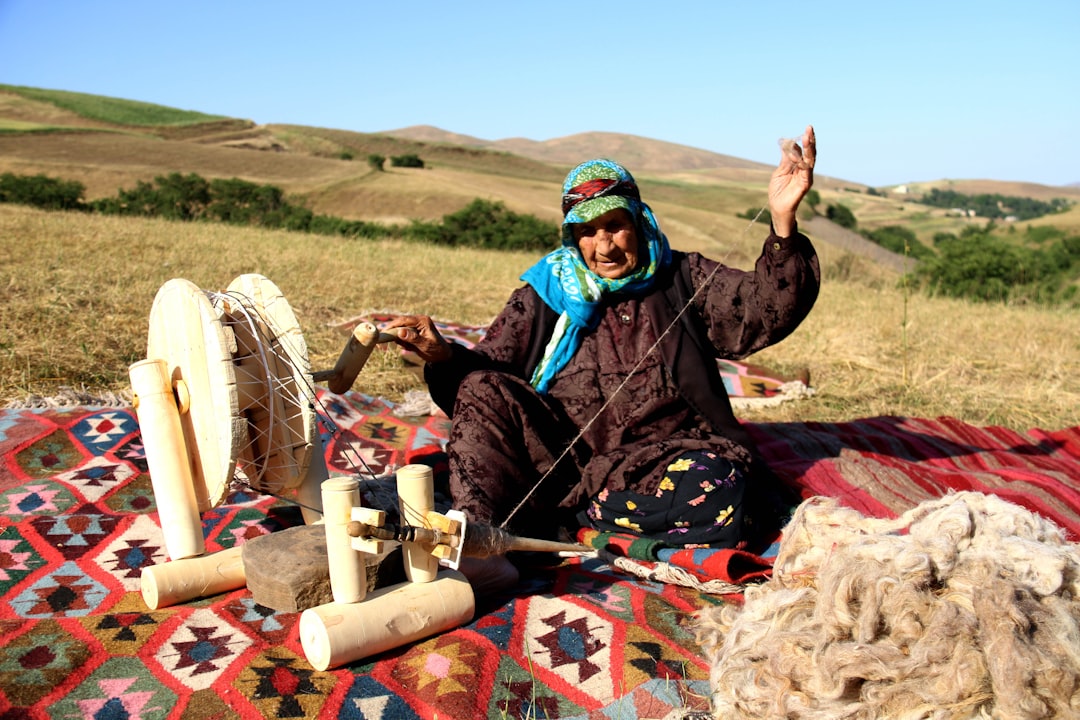
In rural villages across the Atlas Mountains and southern Morocco, women gather at home looms, spinning wool and creating textiles that serve both practical and ceremonial purposes. This was never purely decorative work. Their work sustains families, contributes to local economies, and preserves Amazigh identity.

For centuries, Moroccan craftsmanship has operated with a deep respect for the natural world, using local, renewable resources long before eco-consciousness became a global trend. That deep-rooted philosophy is now exactly what the world is looking for. The timing could not be better.

Why handwoven textiles are coming back

The revival of handwoven textiles in Morocco is not accidental. It connects two forces: a growing global demand for ethical goods, and a new generation of Moroccan designers who want to reconnect with their roots.

A new generation of designers is incorporating sustainable practices, such as using deadstock fabrics, upcycling vintage items, and supporting local artisans, which aligns with growing consumer demand for ethical fashion. These designers are not simply copying the past. They are translating it. Traditional Moroccan garments like caftans and djellabas are being reinterpreted with modern cuts, bold prints, and vibrant colors, making them suitable for a wider range of occasions and appealing to a younger, more global audience.

Modern artisans are rediscovering eco-conscious dyeing methods using pomegranate rinds, henna leaves, indigo, and saffron. These methods produce colors that are rich, complex, and kind to the environment. This sustainable return to roots aligns Morocco’s weaving heritage with global environmental ethics.

Install the MAwebzine App
Always stay up to date with the latest news from Morocco.
Install now →

How cooperatives are changing lives

At the heart of the revival are cooperatives, and their impact goes far beyond the loom. Cooperatives have played a crucial role in the revival of sustainable handicrafts in Morocco, particularly in rural areas. These collectives not only empower artisans, especially women, but also foster an ethos of community-based production that prioritizes environmental responsibility.

Organizations like Anou and Femmes du Maroc connect weavers directly to buyers, ensuring fair wages. This direct connection removes layers of middlemen and gives artisans real economic agency. Cooperative Tamounte in the Middle Atlas, for example, trains women in quality control and digital marketing.

In Ifrane, a town known for its carpets, the Bourjii Women’s Weaving Cooperative has become a beacon of sustainable innovation. The cooperative recycles old wool, discarded threads, and fabric scraps to create new pieces. In many cases, cooperatives have also integrated modern environmental techniques into traditional methods. Some use solar-powered dyeing processes, which reduce energy consumption and environmental waste.
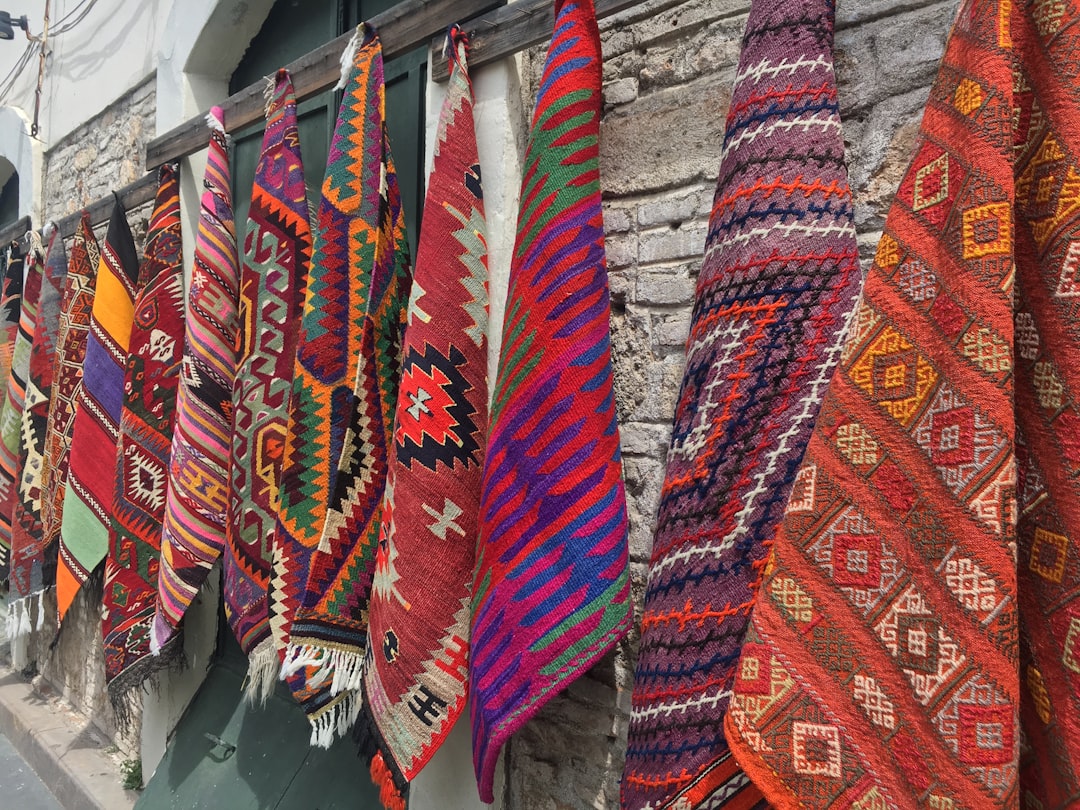
Women in a Moroccan cooperative sort and prepare handwoven textiles made from natural wool and plant-based dyes.

An industry perspective on weaving and sustainability

Handwoven textiles in Morocco are not a niche product. They represent a full economic and cultural system that is finally getting the recognition it deserves. When artisans are supported by cooperatives, connected to fair markets, and given access to training, they do not just weave fabric. They build livelihoods, preserve knowledge, and contribute to a textile sector that is genuinely circular. Natural materials, local supply chains, zero synthetic waste: these are the foundations of truly sustainable fashion. Morocco has practiced this for generations. The world is only now catching up.

Industry perspective, sustainability and artisan textile professionals in Morocco

The bigger picture: Morocco’s sustainability credentials

The revival of handwoven textiles sits within a much larger national movement toward sustainable production. The Moroccan government has introduced several policies to encourage sustainable practices across industries, including fashion. Subsidies for eco-friendly startups and tax incentives for sustainable manufacturing are empowering designers to adopt greener production techniques.

At the industrial scale, recent research adds weight to Morocco’s sustainability credentials. A report from the World Bank Group’s IFC shows that scaling textile circularity in Morocco could attract $1.9 billion in additional private investment and generate more than 30,000 jobs. A life-cycle analysis also found that using recycled materials can reduce carbon emissions by around 18 percent and water use by over 60 percent compared to conventional production.

In 2022, UNESCO added “The Art of the Moroccan Caftan” to its Intangible Cultural Heritage list, spotlighting Berber contributions to Moroccan textiles. This recognition signals to the world that what Moroccan artisans produce has value far beyond commercial exchange. It is a living archive of human creativity.
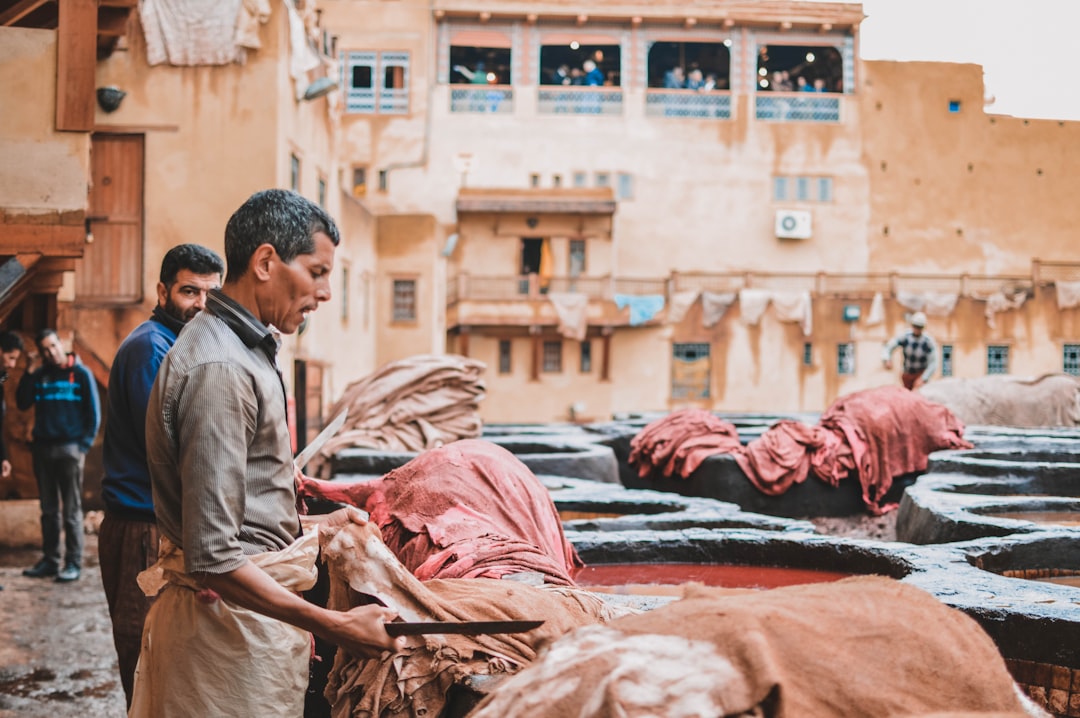
A skilled artisan in Morocco dips fabric into a natural dye vat, part of the handwoven textiles production process.

-

A Moroccan woman wearing a flowing linen kaftan browses a medina market, representing sustainable fashion in Morocco

Sustainable fashion for Morocco’s summer

22/06/2026
Moroccan wedding fashion featuring traditional bridal takchita with sustainable elegant design

Moroccan Wedding Fashion: Sustainable Bridal Wear and Rental Services

28/01/2026
Beautiful eco-friendly gift wrapping using traditional Moroccan handira textile with geometric patterns and sequins, demonstrating sustainable Furoshiki technique replacing wasteful paper with reusable artisan fabrics

Eco-Friendly Gift Wrapping: Moroccan Textiles

21/12/2025
Moroccan designer working with traditional embroidery techniques creating slow fashion pieces from sustainable materials in a Marrakech atelier studio

Moroccan Designers Pioneer Slow Fashion Movement

29/11/2025
Zero waste essentials including reusable bottles, bamboo toothbrushes, and eco bags for sustainable living in morocco.

Zero Waste Swaps: Morocco Home Guide 2025

03/11/2025
sustainable-development-goals-morocco

Sustainable Living: Tips for an Eco-Friendly Lifestyle in Morocco

14/02/2025

Handwoven textiles: a future worth choosing

Handwoven textiles in Morocco are not a relic. They are a blueprint. In recent years, the industry has undergone a revival, partly thanks to artisans, cooperatives, and brands who now sell directly to consumers. Every piece of cloth that leaves a cooperative loom carries a choice: to support a system that respects people, place, and process.

Handwoven textiles connect us to something real in a world full of fast, disposable goods. As a reader, you can be part of this story. Seek out cooperatives. Ask where your textiles come from. Choose pieces that carry a name, a village, a pair of hands. That choice keeps a tradition alive, and it keeps Morocco’s most beautiful language speaking. Do you want to discover the artisans behind the cloth? Share this article and start the conversation.

Discover more about handwoven textiles

  • Recycling Textile Waste Can Create Jobs and Boost Competitiveness in Morocco (IFC, World Bank Group)
  • Circularity and Morocco’s Textile Industry: IFC Thematic Review
  • Morocco’s Textile Recycling Sector Set for $1.9 Billion Investment Boost (Global Textile Times)

author avatar
Nadia Bensouda
Nadia Bensouda grew up in the medina of Fès and has spent the last decade writing about Morocco's evolving lifestyle scene. From sustainable fashion in Casablanca's emerging districts to wellness traditions rooted in Amazigh culture, she covers Moroccan life with an insider's warmth. She is passionate about connecting modern Moroccan women with their cultural heritage through contemporary storytelling.
See Full Bio
Previous Post

Marrakech activities for kids and families

Next Post

Moroccan dishes that are naturally gluten-free

Related Posts

A Moroccan woman wearing a flowing linen kaftan browses a medina market, representing sustainable fashion in Morocco
Sustainable living

Sustainable fashion for Morocco’s summer

22/06/2026
Moroccan wedding fashion featuring traditional bridal takchita with sustainable elegant design
Sustainable living

Moroccan Wedding Fashion: Sustainable Bridal Wear and Rental Services

28/01/2026
Beautiful eco-friendly gift wrapping using traditional Moroccan handira textile with geometric patterns and sequins, demonstrating sustainable Furoshiki technique replacing wasteful paper with reusable artisan fabrics
Sustainable living

Eco-Friendly Gift Wrapping: Moroccan Textiles

21/12/2025
Moroccan designer working with traditional embroidery techniques creating slow fashion pieces from sustainable materials in a Marrakech atelier studio
Sustainable living

Moroccan Designers Pioneer Slow Fashion Movement

29/11/2025
Zero waste essentials including reusable bottles, bamboo toothbrushes, and eco bags for sustainable living in morocco.
Sustainable living

Zero Waste Swaps: Morocco Home Guide 2025

03/11/2025
Next Post
gluten free food in morocco

Moroccan dishes that are naturally gluten-free

Leave a Reply Cancel reply

Your email address will not be published. Required fields are marked *

No Result
View All Result

Our Focus

MAwebzine is your international window on Morocco: lifestyle, business, culture, sports and events for a global audience drawn to the kingdom's rich heritage and modern ambition.

Our Readers

MAwebzine addresses readers who engage with Morocco at a high level: professionally, financially, strategically, and as decision-makers in their fields.

Our Approach

Lifestyle, culture, and investment are integrated as context and indicators of economic transformation, regional positioning, and Morocco's growing international profile, not standalone entertainment.

Recent Post

  • Kids cool in Morocco’s summer heat
  • Atlantic coast Morocco digital nomads

© 2026 MAwebzine by NOOR & NOOR — part of WEBZINE.world.

Welcome Back!

Login to your account below

Forgotten Password?

Retrieve your password

Please enter your username or email address to reset your password.

Log In
Manage Consent
To provide the best experiences, we use technologies like cookies to store and/or access device information. Consenting to these technologies will allow us to process data such as browsing behavior or unique IDs on this site. Not consenting or withdrawing consent, may adversely affect certain features and functions.
Functional Always active
The technical storage or access is strictly necessary for the legitimate purpose of enabling the use of a specific service explicitly requested by the subscriber or user, or for the sole purpose of carrying out the transmission of a communication over an electronic communications network.
Preferences
The technical storage or access is necessary for the legitimate purpose of storing preferences that are not requested by the subscriber or user.
Statistics
The technical storage or access that is used exclusively for statistical purposes. The technical storage or access that is used exclusively for anonymous statistical purposes. Without a subpoena, voluntary compliance on the part of your Internet Service Provider, or additional records from a third party, information stored or retrieved for this purpose alone cannot usually be used to identify you.
Marketing
The technical storage or access is required to create user profiles to send advertising, or to track the user on a website or across several websites for similar marketing purposes.
  • Manage options
  • Manage services
  • Manage {vendor_count} vendors
  • Read more about these purposes
View preferences
  • {title}
  • {title}
  • {title}
No Result
View All Result
  • Home
    • Our Authors
    • MAwebzine Readers Club
    • Media Kit
    • Contact
    • Cookie Policy
    • Terms and Conditions
  • News
  • Lifestyle
    • Beauty
    • Kids
    • Interior Decoration
    • Well-being
  • Vibes
  • Culture
  • Sports
  • Travels
  • Business
  • World
  • Local Guide
    • Activities in Morocco
    • Hotels in Morocco
    • Nightlife in Morocco
    • Restaurants in Morocco
    • Services in Morocco
    • Shopping in Morocco
  • APP

© 2026 MAwebzine by NOOR & NOOR — part of WEBZINE.world.

MAwebzine Readers Club

Join the MAwebzine Readers Club!

Read and comment on our blogs, collect Stars and receive gifts from our partners. 

More Info
Register
Log In
Are you sure want to unlock this post?
Unlock left : 0
Are you sure want to cancel subscription?
Verified by MonsterInsights
enEnglisharالعربيةdeDeutschesEspañolfrFrançaisnlNederlands