
Zellige tilework lights up every surface it touches, and right now it is doing something remarkable: it is leaving the ancient medinas of Fez and finding its way into the boldest modern Moroccan interiors on earth.
The ancient roots of zellige tilework
The story of zellige begins over 1,000 years ago, in the city of Fez, Morocco. Because Islam discourages the portrayal of living things, artisans created geometric patterns as a form of artistic expression, turning walls, floors, and fountains into vibrant mosaics. The result was a visual language built entirely from mathematics and color.

This period saw the evolution of distinctive geometric designs, including stars, polygons, and interlaced forms that became emblematic of zellige tilework. Early Moroccan tiles were plain shades of white and brown. During the Nasrid and Marinid dynasties in the 14th century, more vibrant colors of green, blue, and yellow joined the palette. Each new color added a new dimension to the craft.
Many artisans learn the craft from family members at a very early age, so these skills, expertise, and art pass across multiple generations. The name “zellige” comes from the Arabic word meaning “to slide,” a reference to the tile’s glassy glaze and smooth finish. Even the language around the craft carries history inside it.
What makes zellige a living mosaic art
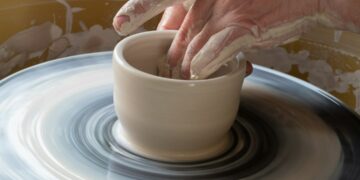
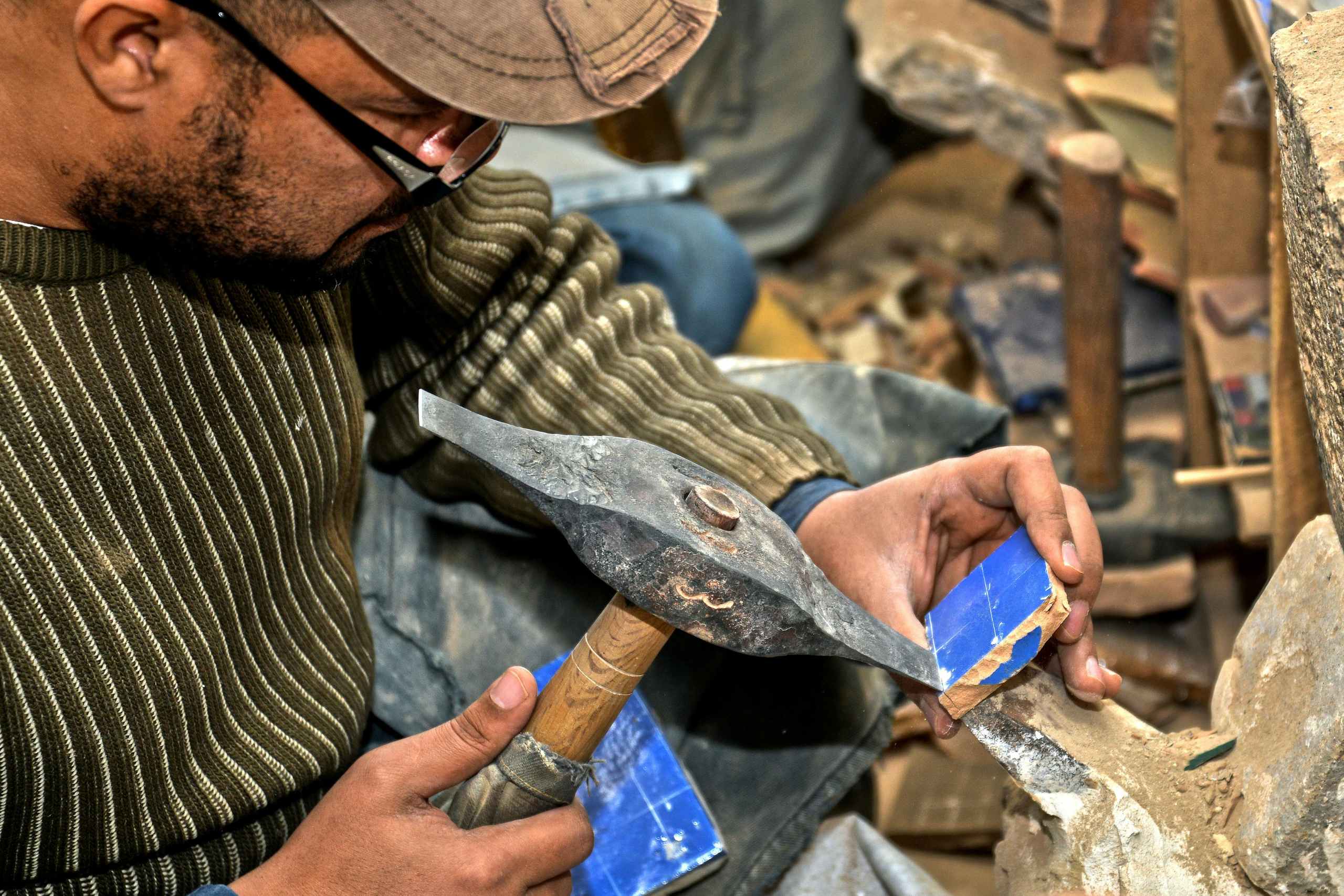
Zellige tiles are handcrafted from natural clay, glazed, and fired in traditional kilns. Their irregular surfaces and subtle color variations create a look that is impossible to replicate with machine-made tiles. This imperfection is precisely the point. Every surface that carries zellige carries a human signature.
The creation of zellige involves a meticulous and labor-intensive process that has remained largely unchanged for centuries. The first step is the molding and shaping of clay, done entirely by hand. The high-gloss finish of zellige tiles enhances their look, catching and reflecting light in a way that other types of tiles cannot match. When light moves across a zellige wall, the wall seems to move with it.
Because zellige tiles are handmade, no 2 pieces are exactly alike. The slight color and size variations give the tiles a rustic and distinct appearance. For designers who want a surface that tells a story, this quality is not a flaw. It is the entire value proposition.
How zellige tilework shapes the modern riad
The riad is the natural home of zellige. Walk through the entrance of any great riad in Marrakech or Fez and the first thing you see is a courtyard floor covered in geometry. Throughout history, zellige tile has been featured in Moroccan architecture. From palace walls to the peaceful inner gardens of riads, these tiles piece together mesmerizing mosaics that showcase Morocco’s rich cultural heritage.
In recent years, zellige tile has experienced a design resurgence. Homeowners, architects, and interior designers around the world have rediscovered its unique texture, irregularity, and luminous quality. Moreover, that resurgence is strongest inside Morocco itself, where a new generation of designers refuses to treat zellige as a museum piece.
The inspiration drawn from tradition means that zellige can be adapted to interiors with a vintage style, while also fitting naturally in contemporary and minimal interiors, where it becomes a decisive stylistic counterpoint. A single wall of deep-blue zellige in an otherwise white room is one of the most powerful design statements in modern Morocco.
Expert perspective on zellige tilework and cultural identity
Zellige is not a decorative trend. It is a recorded language, one that Moroccan artisans have spoken in geometry and glaze for over a thousand years. When a designer places authentic zellige in a modern space, they are not importing an aesthetic. They are continuing a conversation. The craft demands precision because every chip must lock against its neighbor without error. Yet within that precision lives enormous freedom: freedom of color, pattern, and scale. What we see today in contemporary Moroccan interiors is not a revival. It is an evolution. The craft never stopped. It simply found new walls to speak on.
Industry perspective, craft heritage and design professionals in Morocco
Zellige tilework in contemporary spaces beyond the medina
Homeowners and interior designers now use zellige tile in kitchen and bathroom backsplashes, shower walls, decorative niches, and fireplace surrounds. The craft has crossed from the medina into the apartment, the hotel lobby, and the restaurant wall. Furthermore, it has crossed borders entirely.






Mixing matte and glossy zellige tiles in a single backsplash or wall design adds visual depth and a modern artisan look. Colors like emerald, sapphire, and deep aqua are trending in Moroccan-inspired kitchens and bathrooms. Vertical stacking of zellige tiles creates a modern, sleek aesthetic, ideal for small kitchen backsplashes and bathroom walls.
Meanwhile, the question of authenticity has moved to an international stage. Morocco registered zellige with the World Intellectual Property Organization and explored patent protection in 2022. Then, in 2024, the Culture Minister met with the WIPO Director General to reinforce these efforts and ensure that local artisans benefit from their heritage. Morocco is also preparing a zellige application for the 2027 UNESCO intangible heritage cycle. Protection and design go hand in hand.
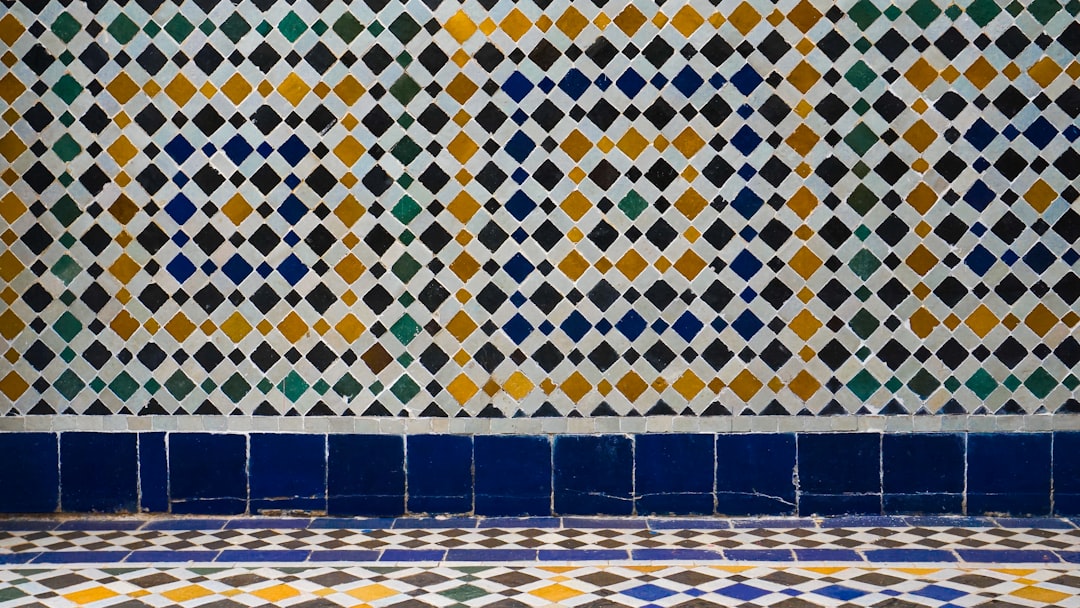
Zellige tilework is Morocco’s boldest design statement
Zellige tilework is not a look you borrow. It is a practice you respect. The revival of interest in traditional crafts and the appreciation for handmade artistry have contributed to the continued relevance of zellige in today’s design landscape. Its ability to blend with both traditional and modern aesthetics makes it a versatile and enduring choice.
Every fragment of zellige tilework carries the weight of a thousand years of Moroccan creativity. When you stand inside a room where these tiles cover the walls, you feel that weight. It does not crush you. It lifts you. Go find a workshop in the medina of Fez. Watch an artisan cut a tile by hand. Then you will understand why no machine will ever replace this art. Share what you discover, and bring more people here.
Discover more about zellige tilework
- Morocco Moves to Safeguard Zellige as UNESCO Heritage Debate Continues
- Protecting Morocco’s Cultural Heritage: Zellige Safeguarded with WIPO Support
- Moroccan Zellige Tiles Guide: History, Workshops and Buying Tips