
Sustainable fashion in Morocco is not a new idea. It lives in every hand-stitched kaftan, every loom in a medina workshop, and every grandmother who chose quality cotton over cheap synthetic fabric decades before the word “sustainability” entered the fashion world.
Why summer is the best season to dress sustainably
Summer in Morocco is hot, especially inland and in the southern regions. Daytime temperatures in Marrakech can easily reach 38 to 43 degrees Celsius, while coastal cities like Essaouira stay milder, around 24 to 29 degrees, with a refreshing breeze. This reality makes fabric choice a genuine necessity, not just an ethical preference.
Natural fibers like organic cotton, linen, and bamboo are far more eco-friendly than synthetic materials. These fabrics are gentle on the environment and offer real comfort and breathability for the wearer. In other words, choosing sustainable fashion in Morocco also means choosing comfort. The 2 choices are the same choice.
Choosing natural fabrics like linen, organic cotton, or merino not only keeps you comfortable but also supports more sustainable travel and dressing. When sustainability and practicality point in the same direction, the decision becomes simple.
The traditional garments that lead the way
Morocco’s wardrobe has always been built on logic. The djellaba is a long, hooded robe worn by men and women across Morocco. Its lightweight versions are perfect for hot summers. The hood, called a qob, traditionally protects from sun, wind, and even sandstorms. This is not heritage for the sake of nostalgia. It is design that works.
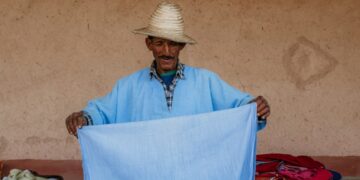
Traditional djellabas are handwoven from wool for winter or cotton for summer. A light cotton djellaba in white or pale sand is, quite simply, one of the most breathable and UV-protective garments a person can wear in a Moroccan July. It also lasts for years with proper care.
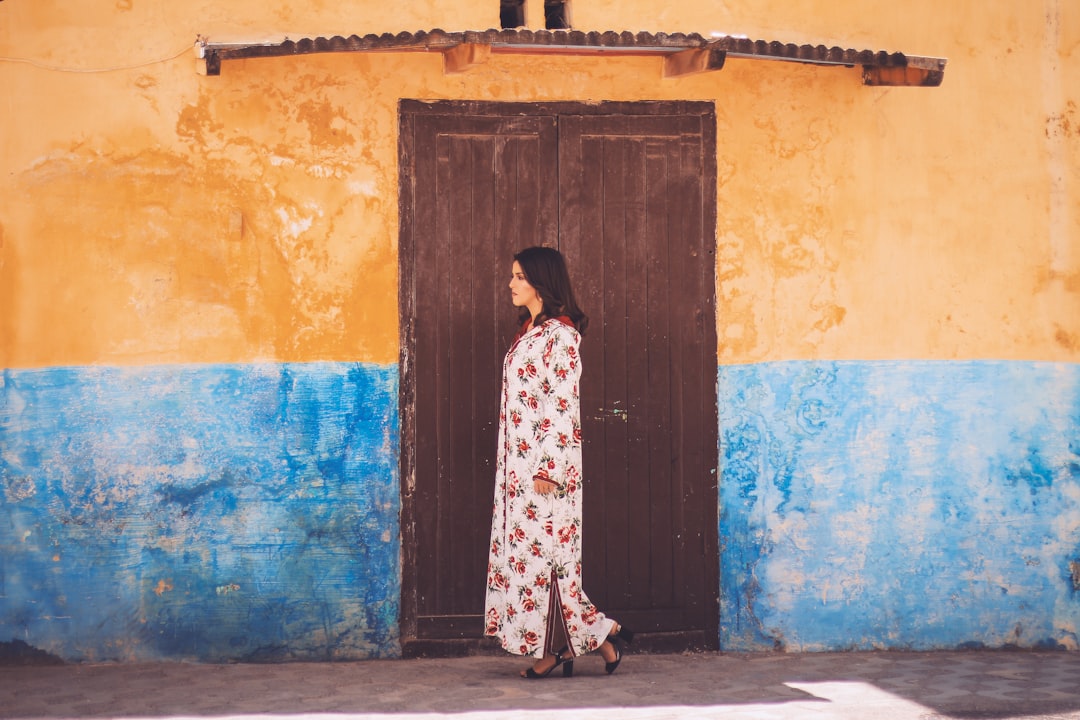
The traditional kaftan is an elegant, flowing garment adorned with embroidery and colorful beads. It is a versatile piece that can be dressed up or down, suitable for a formal event or a casual outing. Modern designers now produce kaftans in organic fabrics, making them an ideal choice for sustainable fashion in Morocco.
Natural fabrics to look for this season
Lightweight, light-colored cotton or linen shirts and blouses are perfect for spring and summer. Breathable fabrics keep you cool, and long sleeves protect against the sun. This combination is both practical and aligned with cultural norms across Morocco’s cities and villages.
Linen deserves special attention. Marrakshi Life, a Moroccan fashion label, uses natural and eco-friendly materials including organic cotton and linen to create stylish and sustainable clothing. Linen is a low-water crop, biodegrades naturally, and feels cooler against the skin than almost any other summer fabric. It is a clear choice for sustainable fashion in Morocco.
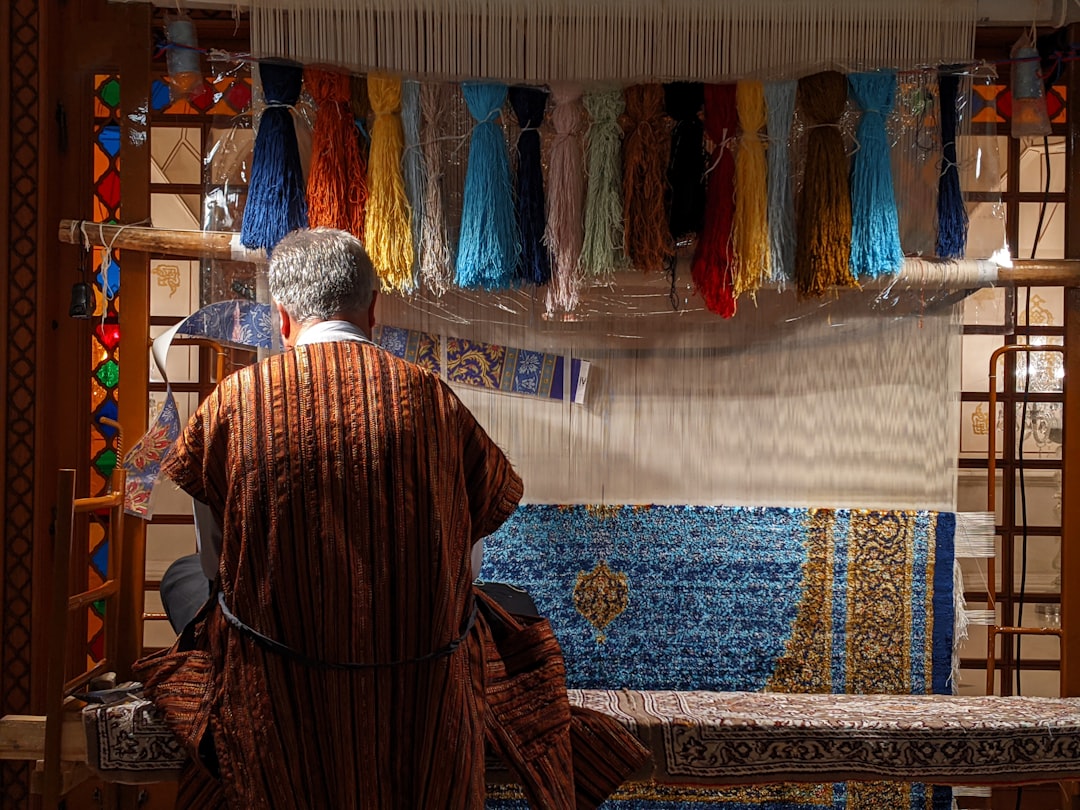
The traditional Moroccan weaving technique known as “handira” is another example of an environmentally friendly production process, as it relies on the manual work of fibers on a loom. This traditional method is energy-efficient, low impact, and results in unique textiles with intricate patterns and rich textures. When you buy handira, you buy craft, not mass production.
Expert perspective on sustainable dressing in Morocco
Moroccan consumers are becoming more aware of what their clothing is made from and where it comes from. The shift toward natural fabrics and locally produced garments is gaining real momentum, especially among younger urban shoppers in cities like Casablanca and Rabat. Sustainable fashion in Morocco is not simply about following a global trend. It connects to something very local: the pride people feel in wearing a piece made by Moroccan hands, from natural materials, with skill passed down through generations. When people invest in a well-made kaftan or a handwoven djellaba, they wear it for years. That is the most honest form of sustainability.
Industry perspective, sustainability and fashion professionals in Morocco
How to shop with intention in the medina
Morocco’s fashion industry has a long history of craftsmanship and traditional techniques. Many Moroccan brands adopt sustainable practices such as using natural and organic materials, employing fair trade principles, and supporting local artisans and communities. Shopping with this in mind means asking where a garment was made and who made it.



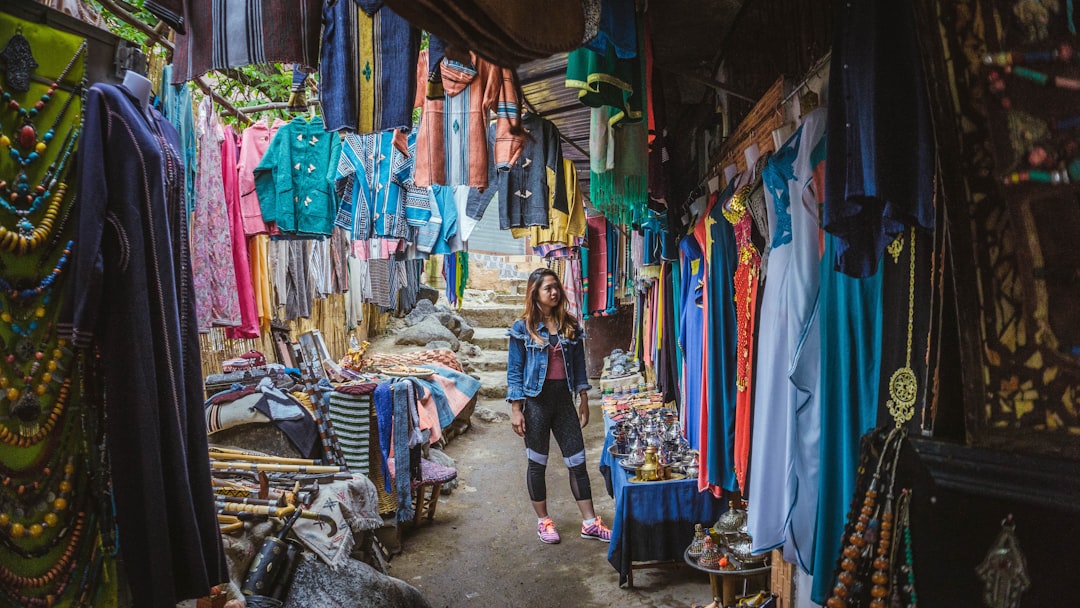
Morocco is full of artisans and small boutiques where you can find beautiful handmade pieces. Cities like Fez, Marrakech, Tangier, and Essaouira have unique shops. Shopping locally supports the economy, helps preserve traditional crafts, and produces pieces you will want to wear again. This is the opposite of fast fashion.
When shopping for sustainable fashion in Morocco, look for certifications that indicate a brand’s commitment to ethical practices. For example, the GOTS (Global Organic Textile Standard) certification ensures textiles are made from organic fibers and produced in an environmentally and socially responsible way. Ask questions. Good artisans are proud to answer them.
Sustainable fashion in Morocco: a way of living
Sustainable fashion in Morocco does not require a new vocabulary or a foreign concept. Moroccan-made fashion is a clear example of slow fashion principles in practice. Garment construction involves traditional techniques passed down through generations, ensuring each piece carries history and purpose. Skilled artisans pay attention to every detail, creating pieces that are beautiful and highly durable. As a result, Moroccan-made clothing is an investment in timeless fashion that defies seasonal trends.
This summer, choose a linen tunic from a souk in Fez. Choose a cotton djellaba made by a cooperative in Salé. Choose sustainable fashion in Morocco the way Moroccans have always dressed: with care, with craft, and with pride.
Discover more about sustainable fashion
- ITC Morocco Textile and Clothing Programme
- Morocco: Ahead of the Pack in the Global Shift to Responsible Fashion
- SGS Morocco: How Ethical Fashion is Redefining the Future of Style