

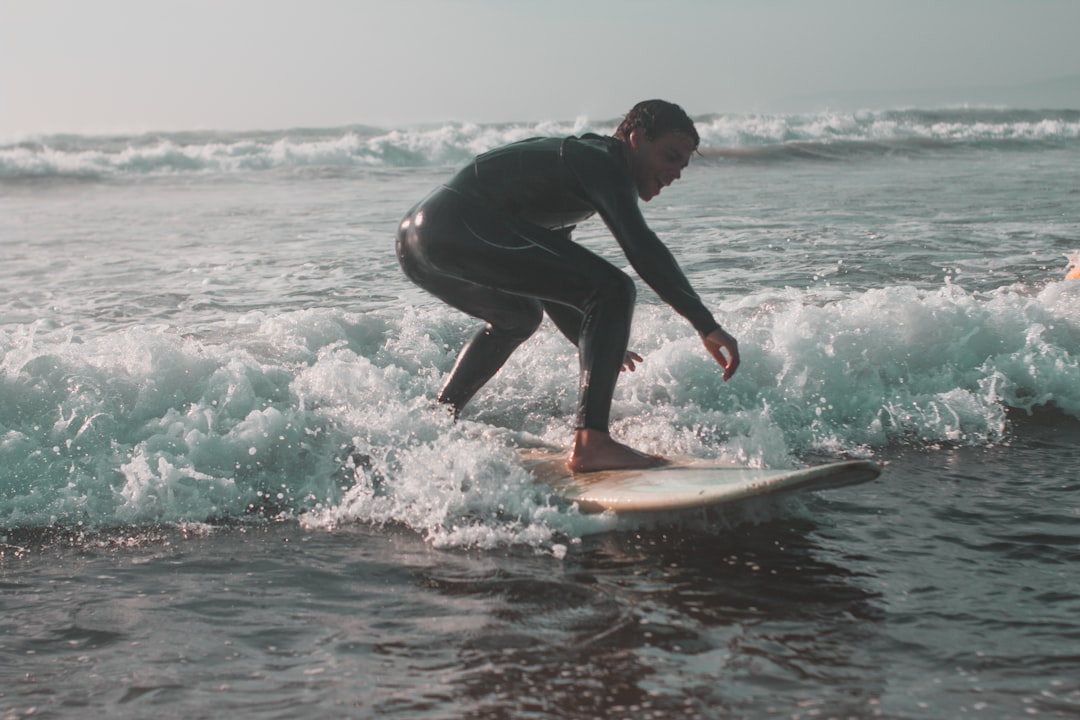
Surfing Morocco in summer is not what most people expect, and that is exactly the point.
What summer actually delivers on the Atlantic coast
Summer runs from June to August and brings smaller waves with warmer water sitting between 20 and 22 degrees Celsius. That shift in conditions changes everything. The experienced surfers who pack Taghazout in winter have gone home. You get space, warmth, and a coast that moves at your pace.

Wave height in Morocco varies significantly by season. Summer brings manageable 1 to 4 foot waves, perfect for learning. For anyone working on their pop-up, their trim, or their first green-wave rides, those dimensions are ideal. You have time to think on the wave, not just react.
A 2mm shorty or spring suit works from June through September. Some surfers go with just boardshorts in August and September when the water reaches 21 to 22 degrees. Pack light. The coast does not ask for much gear in summer.
The best spots for summer surfing Morocco
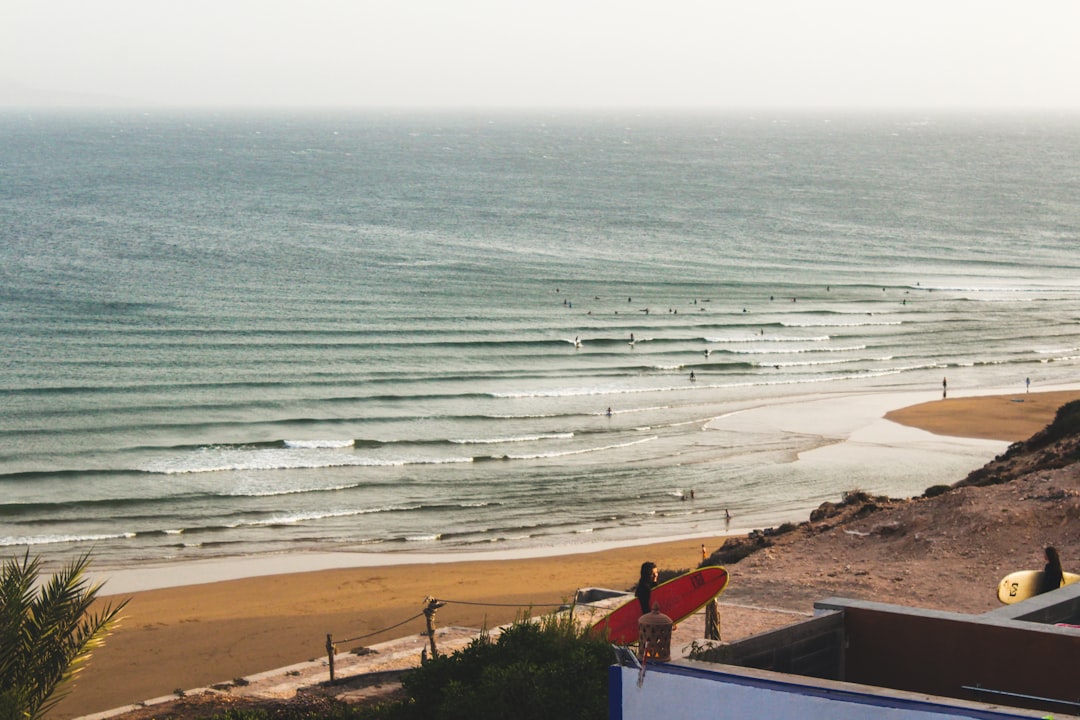
The Agadir to Taghazout corridor contains more quality surf breaks per kilometer than almost anywhere in the world. In summer, the spots that shine are not the famous big-wave points but the sheltered, sandy-bottomed breaks nearby.
Banana Point, just north of Agadir, is a mellow, right-hand point break great for beginners and longboarders. The bay provides protection from northerly winds, resulting in clean, long rides. Further along the coast, Imsouane is home to the legendary Bay and the punchy peaks of Cathedral Point. Imsouane is famous for its legendary bay, which offers one of the longest waves in Africa. This wave rolls out for hundreds of metres, ideal for endless, progressive rides.
The Taghazout area features several sheltered bays like Panoramas Beach, Hash Point, and Anza that offer sandy bottoms and gentle waves. These breaks suit beginners well and stay consistent even when swell is light.
Wind: the one thing you must plan around
Summer wind is the honest part of any surfing Morocco guide. Summer is the low season for Taghazout surf. Morocco has high winds throughout, thanks to stronger trade currents and gusts coming off the Sahara Desert. They can affect the glassy barrels at La Source and Boilers. However, there are still waves to be had on the mid-Atlantic Ocean.
The solution is simple: surf in the morning. Offshore morning winds create glassy conditions before afternoon sea breezes pick up. Set your alarm, paddle out early, and you often find clean, unaffected surf while the village is still quiet and the light is golden.
Named after the nearby Spider Valley, the Spider break offers a point break that can be very fast and hollow on low tide. It is often less crowded due to the longer drive. Spots like this reward travellers who hire a car and explore beyond the main zone.
Expert perspective on summer surfing Morocco
Summer on the Moroccan Atlantic coast is genuinely underrated by the international surf community. Most guides focus only on the winter swell season, but summer offers a completely different and equally valid experience. Warm water, quiet lineups, and forgiving waves allow beginners to progress faster than they would in a crowded winter camp. The local surf culture also relaxes in summer. You meet more Moroccan surfers in the water, which gives visitors a richer connection to the coast and its people. For anyone who wants to truly understand this coastline, summer is the season to come.
Industry perspective, surf travel and coaching professionals on the Atlantic coast of Morocco
Choosing a surf camp for your trip
A week at a surf camp including accommodation and lessons runs between 350 and 800 euros. Daily board and wetsuit rental costs around 15 to 20 euros. Summer is low season for many camps, which means better availability and sometimes lower prices than winter.
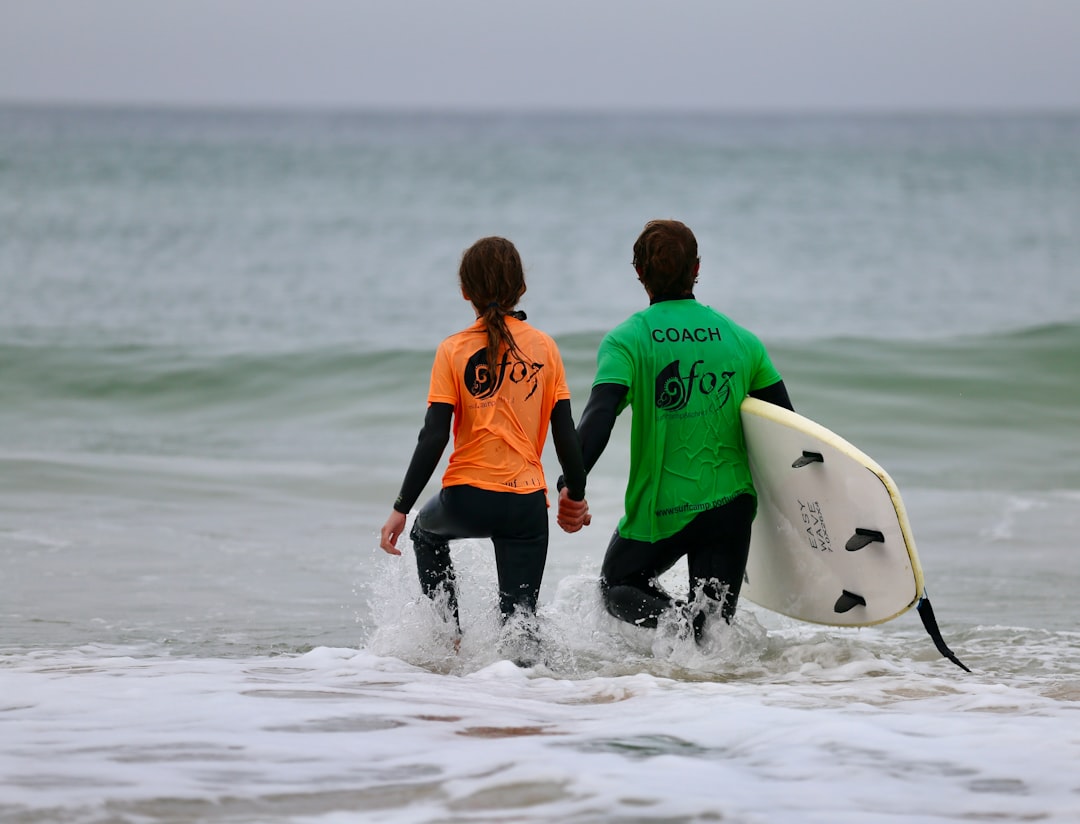
Numerous surf schools and camps provide professional coaching specifically tailored to first-time surfers. Look for camps that offer small group sizes and video analysis. Progress is faster when a coach can show you exactly what your body is doing on the wave.
Surf towns like Taghazout, Tamraght, and Imsouane are quiet, walkable, and used to international travellers. Solo female surfers visit comfortably. Standard travel awareness applies in big cities, but surf areas are very low-key.
Life beyond the water
The coast in summer is not only about waves. Taghazout sits 2 to 3 hours from Marrakech, the Atlas Mountains, and Paradise Valley. Essaouira has its medina, Gnaoua music, and the Atlantic ramparts. Hammams, mint tea, and tagines are a category of their own.
Dress respectfully off the beach. Taghazout remains a traditional Moroccan village. The surf culture and the local culture share the same streets. Respecting that balance is part of what makes a trip here feel genuine rather than transactional.





In 2025, Morocco hosted 355,000 international surf visitors, marking a record year for coastal tourism. Most of those visitors arrived in winter. In summer, you share the breaks with far fewer people, and the coast shows you a quieter, warmer face.
Conclusion: start your surfing Morocco journey this summer
Surfing Morocco in summer asks you to adjust your expectations, and then it repays you with something better than a crowded winter lineup. Warm water, mellow waves, space in the surf, and a coast full of life beyond the beach. Surfing Morocco at this time of year suits beginners, returning surfers, and anyone who wants to connect with a place rather than just pass through it. Book a camp in Taghazout or Imsouane, arrive early enough to catch the morning glass, and let the Atlantic coast surprise you. The postcard version of Morocco is fine. The real version is better.
Discover more about surfing Morocco
- Visit Morocco: Official Tourism Portal
- Morocco Surf Tourism 2025: Final Visitor Count
- The Real Guide to Surfing in Morocco: Atlantic Coast