
The popular arts festival in Marrakech is not a show you watch from a distance, it is a force that enters your body through the drums, the dust, and the deep ochre walls of El Badi Palace.
What is the popular arts festival?
The popular arts festival is a key cultural event in Morocco, held every year in Marrakech under the guidance of the Ministry of Youth, Culture, and Communication. It is dedicated to preserving Morocco’s intangible heritage and highlighting the country’s rich and varied cultural and artistic traditions.
The 55th edition is organized by the Association Le Grand Atlas, in partnership with the Ministry of Youth, Culture, and Communication, the Wilaya of the Marrakech-Safi region, the Regional Council, and the City of Marrakech.
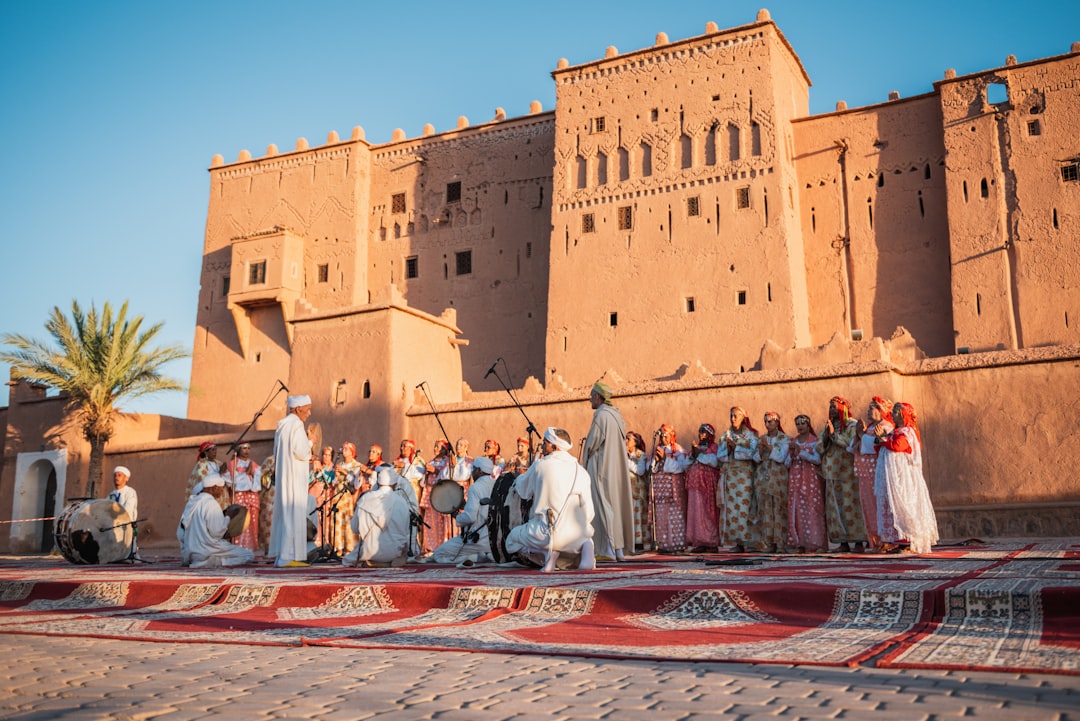
The festival has been held annually since 1960 at El Badi Palace. Hundreds of performers from across the country showcase traditional Berber dance, Gnaoua music, horse shows, and folk arts, preserving Morocco’s rich intangible heritage in a grand setting.
Dates, venues, and the 2026 theme
The 55th edition of the National Festival of Popular Arts runs from July 2 to July 6, 2026, in Marrakech. The theme for this edition is “Popular Arts, Treasures of Yesterday and Today,” a choice that highlights the capacity of traditional artistic expressions to cross generations while constantly renewing themselves.
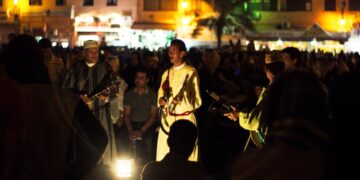
El Badi Palace will host the main evening performances. This historic site provides the setting for the main shows, staged entirely in the open air. Public performances are also planned on Jemaa el-Fna Square, classified by UNESCO as a Masterpiece of the Oral and Intangible Heritage of Humanity.
Many of the outdoor performances at Jemaa el-Fna are free to the public. Some special performances at more intimate venues may require tickets, with prices typically ranging from 10 to 30 euros. Tickets at El Badi Palace start from 30 dirhams.
The performances: what you will see
Troupes from every region of Morocco converge on Marrakech for five nights of dance, music, and folklore. Dances, songs, costumes, and rituals from all regions of Morocco come together to celebrate a living culture. Expressions featured include the Ahidous of the Atlas, Gnaoua traditions, and the Taskiwin performances of the Souss, illustrating the plurality of Moroccan cultural identities.
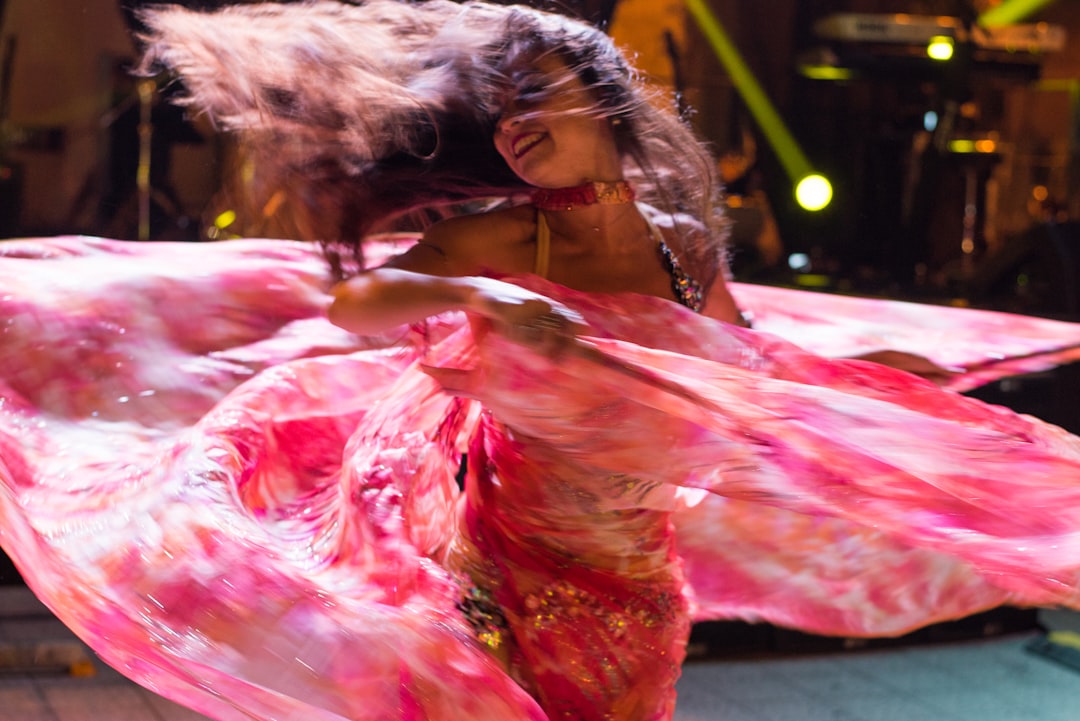
Traditional troupes include Ahidous from the Middle Atlas, Ahouach from Tafraoute, Reggada from Oujda, Guedra from the southern Sahara, and Gnaoua from Marrakech. Each ensemble carries the spirit of its region, connecting stories of love, resilience, harvest, migration, and celebration. The energetic Reggada dance electrifies crowds, while hypnotic Gnaoua rhythms and the trance movement of Guedra performers bring spiritual depth to the night.
This edition also includes “La Nuit des Stars,” an evening tribute to Moroccan artist Zina Daoudia, in recognition of her contribution to Moroccan chaabi music.
Expert perspective
The popular arts festival is far more than an annual showcase. It functions as an open-air conservatory, where rural traditions and urban knowledge meet in a single space. Each year, troupes arrive carrying not just costumes and instruments but entire social memories, systems of meaning that live inside the body and the voice. This is Morocco’s intangible heritage made visible and audible. For younger generations in particular, the festival creates a moment of recognition: that what their grandparents sang and danced holds deep value. That recognition is harder to manufacture than any policy. The festival provides it naturally, night after night, under the stars of Marrakech.
Industry perspective, cultural heritage and performing arts professionals in Morocco
Practical guide for visitors
Given the summer timing, visitors can expect warm weather. It is wise to dress comfortably and stay hydrated while enjoying the open-air performances. Evening temperatures at El Badi Palace drop after sunset, so bring a light layer for the late-night shows. Since the festival attracts large crowds, plan accommodation and transport in advance to fully enjoy this celebration of Moroccan art, music, and culture.
The festival program includes activities for all ages, such as music and dance workshops, exhibitions, and food stalls offering traditional Moroccan dishes. Alongside the festival, stands, round tables, and exhibitions connected to Moroccan know-how and local craftsmanship also take place.
July in Marrakech is peak summer. Book your riad or hotel at least 3 months in advance. Jemaa el-Fna is a 10-minute walk from the Badi Palace entrance, so plan your evenings to combine both venues. Arrive at the palace before 9 pm to find good standing space near the main stage.
Why the 55th edition matters
The popular arts festival reaches 55 years in 2026, and that number carries real weight. In a rapidly changing world, where cultures intersect and influence each other, it is essential to keep alive the practices that define Moroccan identity. The popular arts festival stands as guardian of these priceless traditions, ensuring their continuity and making them accessible to all, in particular to Moroccan youth.





The festival acts as a cultural and artistic platform that connects tradition with modernity. It also creates a space for intergenerational exchange between artists and audiences, supporting the preservation of cultural identity and the strengthening of national belonging.
The popular arts festival is not a museum piece. It is a living event that changes you. Go to Marrakech in July, stand in the ruins of El Badi Palace, and let the drums of the Atlas and the Sahara tell you something about this country that no guidebook ever could.
Discover more about popular arts festival
- Morocco Intangible Cultural Heritage, UNESCO
- 2026 Festival Calendar: Major Cultural Events Across Morocco, Hespress English
- Morocco’s UNESCO-Recognized Heritage, Moroccan National Tourist Office