

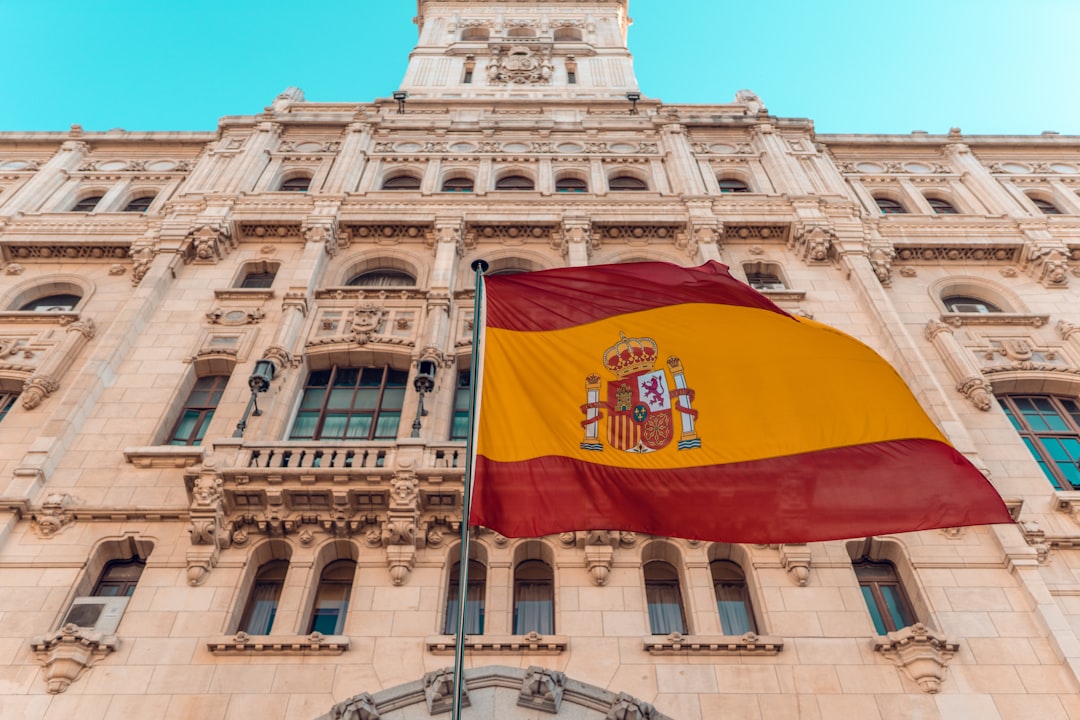
Spain has set an all-time record for naturalizations, approving nearly 300,000 applications from foreign nationals in a single year. According to Bladi.net, data released by Spain’s Instituto Nacional de Estadística (INE) confirms an 18.7% year-on-year increase, with Moroccan nationals claiming the leading position among all nationalities granted Spanish citizenship.
Morocco tops the naturalization rankings
Spain validated exactly 299,732 naturalization files, establishing the highest total in the statistical series that began in 2013. Citizens of Moroccan origin topped the rankings with 42,114 passports obtained, surpassing both Colombian and Venezuelan groups. The figures reinforce a pattern that has persisted across multiple reporting periods: Morocco consistently sends more new Spanish citizens than any other country. The sheer scale of the Moroccan figure reflects both the size and the deep-rootedness of that community on Spanish territory, where Spain counts more than one million residents born in Morocco, making it the country’s largest foreign community.

Who is becoming Spanish, and how
Among the newly naturalized, women make up the majority at 55.4%, and people in their thirties form the largest age group, narrowly ahead of those aged 40 to 49. These figures point to a working-age, predominantly female profile that mirrors broader labor migration trends across Southern Europe. In terms of legal pathways, residency remains the dominant route, allowing 253,836 applicants to succeed, a process tied to ten consecutive years of legal presence in Spain. A secondary route also contributed significantly to the totals. Acquisition by option, linked to filiation or parentage, accounts for 45,715 decisions, and nearly 89% of those cases involve individuals under the age of 20. This second channel primarily benefits the Spanish-born children and grandchildren of long-established immigrant families.
A different picture by place of birth
The nationality-of-origin data and the birthplace data tell quite different stories. While Morocco leads by nationality of origin, the picture shifts when filtered by birthplace. Colombia moves to the top among those born abroad, while close to 53,000 of the newly naturalized Spaniards were already born on Iberian soil. That last figure is particularly significant because it signals that a growing portion of Spain’s new citizens are not recent arrivals at all. They are people raised and educated in Spain who are simply formalizing a belonging they have held in practice for years. This distinction matters for policy, as it separates the discussion of immigration from the reality of settled, integrated communities.
Sánchez government and the broader naturalization trend
The current figures do not emerge in isolation. Since Prime Minister Pedro Sánchez arrived at the Moncloa in 2018, his government has granted Spanish nationality to 1,127,370 foreigners, including Moroccans, accounting for more than half of the 2,113,537 naturalizations recorded between 2009 and the present period. Critics and supporters alike have debated whether such a pace reflects a deliberate political strategy or a catch-up effect after years of administrative backlog. With more than ten million residents born abroad, Spain’s immigrant population now represents 20% of the total national population, a threshold that marks Spain as one of the most demographically transformed nations in the European Union over the past two decades. The speed of that transformation continues to shape political debate across the country.
Despite these milestones, integration challenges persist. Recent statistical data underlines a deep gap in access to education within some immigrant communities, pointing to the unfinished work that follows a passport grant. Holding a Spanish nationality document opens doors, but structural inequalities in schooling and professional opportunity remain a live concern for policymakers and advocacy groups working with Moroccan and other diaspora communities across Spain.






Moroccan nationals have now secured their position as the single largest group of new Spanish citizens for multiple consecutive years. The record-breaking 2025 data confirms Spain’s role as a primary destination for Moroccan emigrants seeking full legal integration in Europe, and it raises important questions about education, economic mobility, and the long-term social fabric of an increasingly diverse nation.
Based on reporting by Bladi.net (bladi.net)