

CONTACT
  • Login
Upgrade
MAwebzine
Advertisement
  • Home
    • Our Authors
    • MAwebzine Readers Club
    • Media Kit
    • Contact
    • Cookie Policy
    • Terms and Conditions
  • News
  • Lifestyle
    • Beauty
    • Kids
    • Interior Decoration
    • Well-being
  • Vibes
  • Culture
  • Sports
  • Travels
  • Business
  • World
  • Local Guide
    • Activities in Morocco
    • Hotels in Morocco
    • Nightlife in Morocco
    • Restaurants in Morocco
    • Services in Morocco
    • Shopping in Morocco
  • APP
  • Home
    • Our Authors
    • MAwebzine Readers Club
    • Media Kit
    • Contact
    • Cookie Policy
    • Terms and Conditions
  • News
  • Lifestyle
    • Beauty
    • Kids
    • Interior Decoration
    • Well-being
  • Vibes
  • Culture
  • Sports
  • Travels
  • Business
  • World
  • Local Guide
    • Activities in Morocco
    • Hotels in Morocco
    • Nightlife in Morocco
    • Restaurants in Morocco
    • Services in Morocco
    • Shopping in Morocco
  • APP
No Result
View All Result
MAwebzine
No Result
View All Result
Home News

Tar banned in Moroccan food pottery

Morocco bans tar-coated food pottery after tests detect unsafe arsenic, cobalt and aluminum levels.

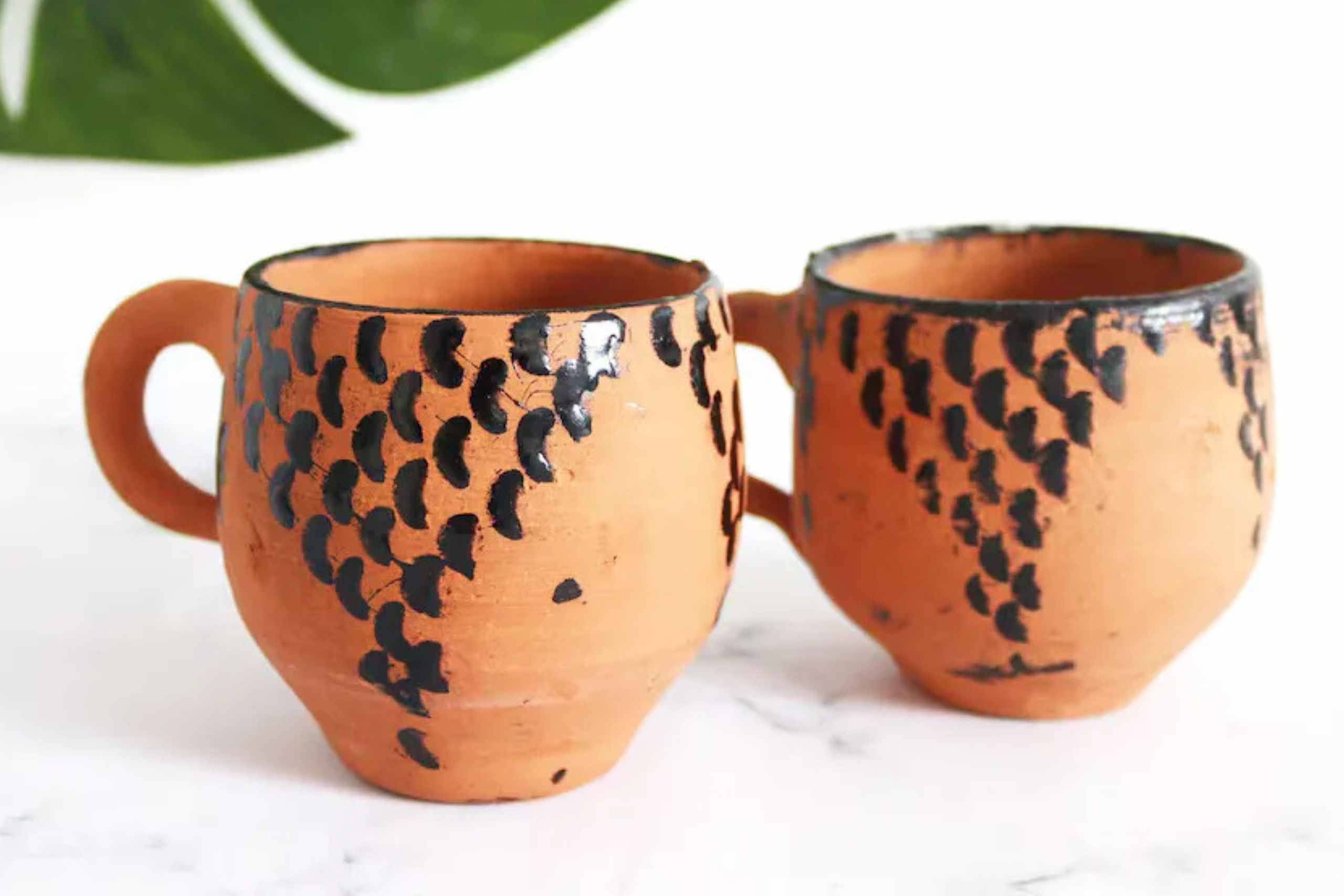
moroccan tar in food grade pottery

Morocco’s Secretariat of State for Crafts and the Social and Solidarity Economy has officially banned the use of tar in the production and decoration of clay food pottery. The decision follows tests carried out on samples of tar-coated pottery that returned alarming results. The ban, communicated through a formal circular, marks one of the most direct public health interventions the craft sector has seen in years.

What the laboratory tests found

Analyses conducted on samples of tar-treated clay products revealed high levels of harmful chemical elements, including arsenic, aluminum, and cobalt. These substances can migrate into food during everyday use of the utensils, creating a direct health risk for consumers. The results confirmed elevated concentrations of dangerous chemical compounds, including aluminum, cobalt, and arsenic. These substances are capable of transferring into food and represent a proven risk for consumer health. The findings leave little room for ambiguity: tar, a material that many potters have used for generations to seal and decorate their work, is incompatible with safe food contact. The scale of contamination detected in tested samples suggests the problem is not isolated to a handful of workshops but potentially affects a wider portion of the artisan ceramics market.

The official ban and how it was issued

In a circular addressed to the presidents of craft chambers and to regional and provincial directors, Secretary of State Lahcen Saadi indicated that the analyses showed high concentrations of aluminum, cobalt, and mercury that are highly harmful to health. The circular imposes a halt to the use of tar across all pottery and ceramics that come into contact with food. This formal instruction channel, reaching both regional directors and chamber presidents, ensures the ban carries institutional weight at every level of the artisan supply chain. The directive applies to tar in all its uses within the sector, whether applied as a sealant, a decorative coating, or a traditional finish on items sold for cooking, serving, or food storage.
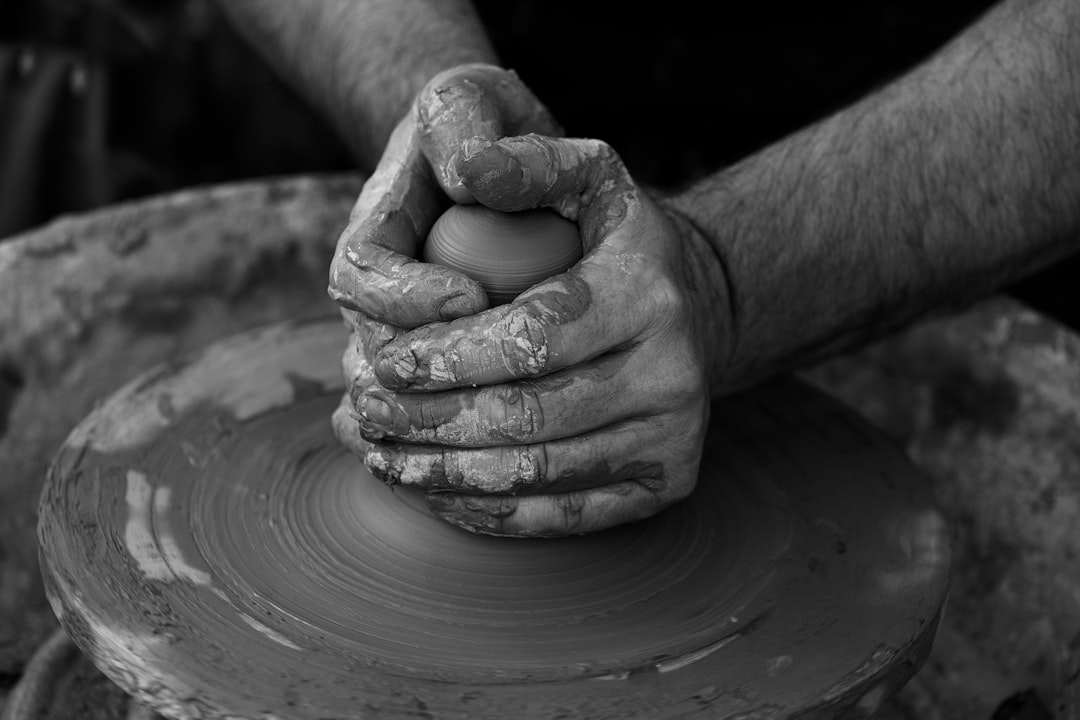
Artisan arranging traditional Moroccan food pottery at a market stall

Awareness campaigns to reach artisans on the ground

The department has asked regional and provincial services to carry out awareness and communication campaigns targeting artisans and professionals in the pottery and ceramics sector, particularly those who specialise in utensils intended for food use. The objective is to inform them of the dangers linked to tar use, encourage them to abandon the practice, and adopt safe alternatives, in order to protect public health and strengthen the quality and competitiveness of Moroccan artisan products. The campaigns represent an acknowledgement that banning a material by circular alone is not sufficient. Many potters, especially in rural production zones, rely on traditional recipes and materials passed down through workshops. Reaching them requires direct engagement through the chamber networks and provincial offices that already maintain contact with these communities.

Implications for consumers and the export market

The practice of using tar remains widespread in certain production zones, and beyond the health dimension, the measure also aims to strengthen the compliance of Moroccan artisan products. French authorities had already issued a warning about Moroccan clay cups sold in France, citing excessive levels of aluminum, arsenic, and cobalt. The alert was distributed through the RappelConso platform following the discovery of these toxic substances in cups sold at a shop in Béziers, in southern France. That international recall episode underlines the cross-border dimension of the problem: when Moroccan pottery enters export channels without meeting food-safety standards, the reputational and commercial consequences extend well beyond domestic markets. The new ban, if properly enforced, positions Morocco to address that vulnerability and restore confidence in its clay craft exports.

What comes next for the sector

Morocco’s craft pottery sector is a pillar of both cultural identity and export revenue. Phasing out tar requires artisans to identify safe, tested alternatives that preserve the traditional appearance and durability of their products without the associated toxicity. Over time, this shift can strengthen trust in Moroccan pottery, including on export markets and among families who buy these products at home or abroad. For consumers already in possession of tar-coated clay utensils, the recommendation is clear: prioritise pottery and ceramics that are guaranteed tar-free for any food use, and ask artisans and retailers directly about the origin and treatment of the items. The Secretariat’s next challenge is ensuring compliance across a fragmented and largely informal production landscape.

-

Moroccan youth studying English on campus, reflecting Morocco's growing language shift

Moroccan youth shift from French to English

02/07/2026
Moroccan nationals receiving Spanish citizenship documents at a naturalization ceremony in Spain

Moroccan nationals lead Spain citizenship surge

28/06/2026
Royal Mansour Academy hospitality training program launch in Rabat Morocco

Royal Mansour Academy Opens 2026 Enrollment

25/05/2026
Al Boraq high speed train traveling between Tangier and Casablanca on Morocco's modern railway

Al Boraq High Speed Train: 7 Years of Records

14/05/2026
man happy as winner of facebook contest

A 5,000 MAD Prize Pool to Reach 100K Facebook Followers!

07/12/2025
I love you baby 2

The Painful Serenade – Singing “I Love You Baby”

26/06/2025

Based on reporting by Médias24 (medias24.com)

Install the MAwebzine App
Always stay up to date with the latest news from Morocco.
Install now →
author avatar
Salma Kettani
Salma Kettani is a Casablanca-based journalist with a background in economics from Université Hassan II. She writes about Morocco's growing investment climate, African business networks, and the country's role as a bridge between Europe and the continent. Her work is sharp, data-driven, and always grounded in real stories from entrepreneurs across the Kingdom.
See Full Bio
Previous Post

Morocco diplomacy and the 2030 World Cup

Next Post

Moroccan calligraphy artists to discover

Related Posts

Moroccan youth studying English on campus, reflecting Morocco's growing language shift
News

Moroccan youth shift from French to English

02/07/2026
Moroccan nationals receiving Spanish citizenship documents at a naturalization ceremony in Spain
News

Moroccan nationals lead Spain citizenship surge

28/06/2026
Royal Mansour Academy hospitality training program launch in Rabat Morocco
News

Royal Mansour Academy Opens 2026 Enrollment

25/05/2026
Al Boraq high speed train traveling between Tangier and Casablanca on Morocco's modern railway
News

Al Boraq High Speed Train: 7 Years of Records

14/05/2026
man happy as winner of facebook contest
News

A 5,000 MAD Prize Pool to Reach 100K Facebook Followers!

07/12/2025
Next Post
A Moroccan calligraphy artist holds a reed pen over paper covered in flowing Arabic script

Moroccan calligraphy artists to discover

Leave a Reply Cancel reply

Your email address will not be published. Required fields are marked *

No Result
View All Result

Our Focus

MAwebzine is your international window on Morocco: lifestyle, business, culture, sports and events for a global audience drawn to the kingdom's rich heritage and modern ambition.

Our Readers

MAwebzine addresses readers who engage with Morocco at a high level: professionally, financially, strategically, and as decision-makers in their fields.

Our Approach

Lifestyle, culture, and investment are integrated as context and indicators of economic transformation, regional positioning, and Morocco's growing international profile, not standalone entertainment.

Recent Post

  • Kids cool in Morocco’s summer heat
  • Atlantic coast Morocco digital nomads

© 2026 MAwebzine by NOOR & NOOR — part of WEBZINE.world.

Welcome Back!

Login to your account below

Forgotten Password?

Retrieve your password

Please enter your username or email address to reset your password.

Log In
Manage Consent
To provide the best experiences, we use technologies like cookies to store and/or access device information. Consenting to these technologies will allow us to process data such as browsing behavior or unique IDs on this site. Not consenting or withdrawing consent, may adversely affect certain features and functions.
Functional Always active
The technical storage or access is strictly necessary for the legitimate purpose of enabling the use of a specific service explicitly requested by the subscriber or user, or for the sole purpose of carrying out the transmission of a communication over an electronic communications network.
Preferences
The technical storage or access is necessary for the legitimate purpose of storing preferences that are not requested by the subscriber or user.
Statistics
The technical storage or access that is used exclusively for statistical purposes. The technical storage or access that is used exclusively for anonymous statistical purposes. Without a subpoena, voluntary compliance on the part of your Internet Service Provider, or additional records from a third party, information stored or retrieved for this purpose alone cannot usually be used to identify you.
Marketing
The technical storage or access is required to create user profiles to send advertising, or to track the user on a website or across several websites for similar marketing purposes.
  • Manage options
  • Manage services
  • Manage {vendor_count} vendors
  • Read more about these purposes
View preferences
  • {title}
  • {title}
  • {title}
No Result
View All Result
  • Home
    • Our Authors
    • MAwebzine Readers Club
    • Media Kit
    • Contact
    • Cookie Policy
    • Terms and Conditions
  • News
  • Lifestyle
    • Beauty
    • Kids
    • Interior Decoration
    • Well-being
  • Vibes
  • Culture
  • Sports
  • Travels
  • Business
  • World
  • Local Guide
    • Activities in Morocco
    • Hotels in Morocco
    • Nightlife in Morocco
    • Restaurants in Morocco
    • Services in Morocco
    • Shopping in Morocco
  • APP

© 2026 MAwebzine by NOOR & NOOR — part of WEBZINE.world.

MAwebzine Readers Club

Join the MAwebzine Readers Club!

Read and comment on our blogs, collect Stars and receive gifts from our partners. 

More Info
Register
Log In
Are you sure want to unlock this post?
Unlock left : 0
Are you sure want to cancel subscription?
Verified by MonsterInsights
enEnglisharالعربيةdeDeutschesEspañolfrFrançaisnlNederlands