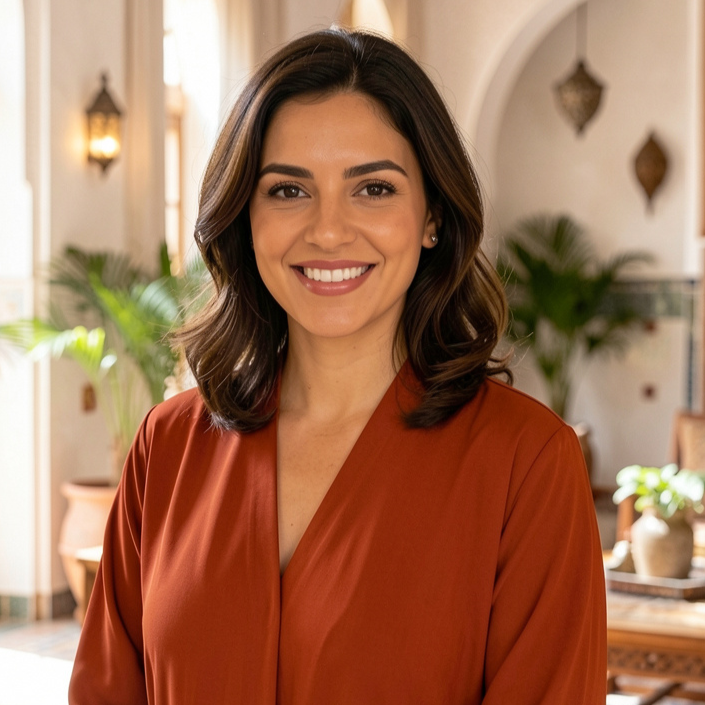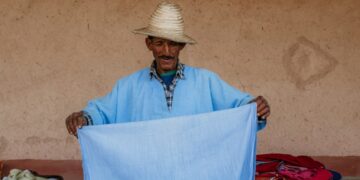

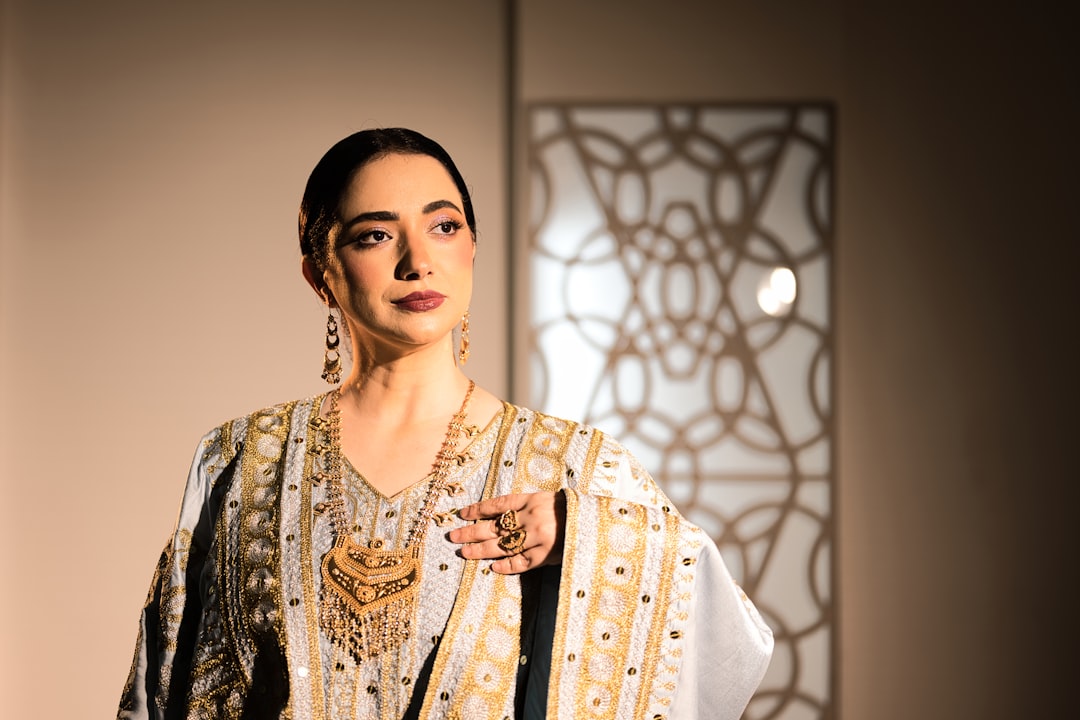
Moroccan fashion has always carried something deeper than fabric and thread, and right now, a new generation of designers is proving that slow, ethical clothing can feel as alive and warm as the country that shapes it.
Why slow fashion fits Morocco so well
Moroccan-made fashion is a natural example of slow fashion principles. Garment construction often uses traditional techniques passed down through generations, ensuring that each piece carries history and purpose. That heritage is not nostalgia. It is a practical foundation for the kind of clothes that last.
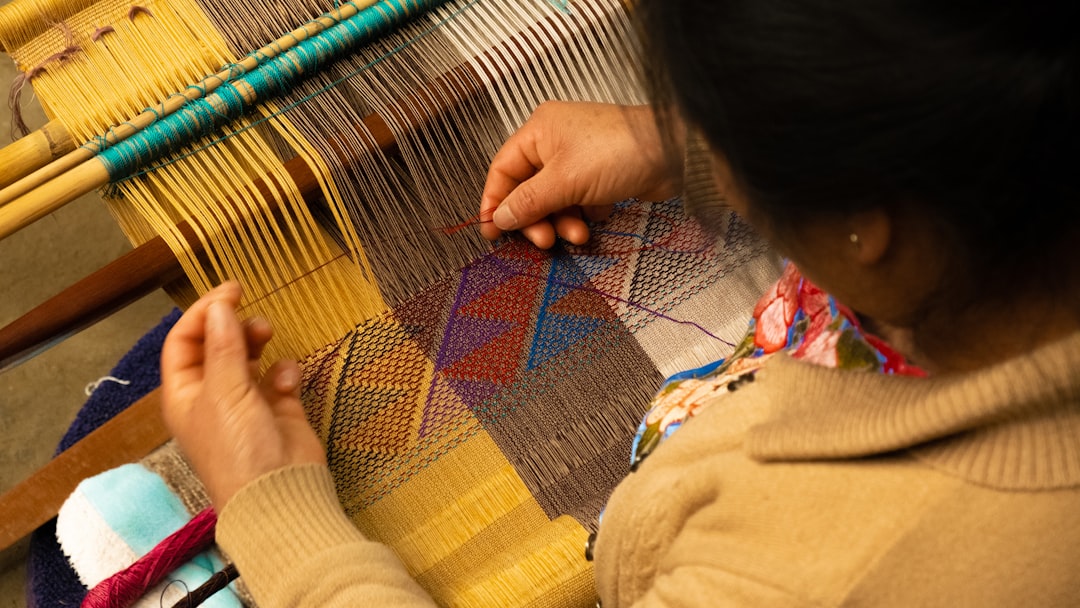
Techniques like hand-weaving, natural dyeing, and embroidery offer real eco-friendly alternatives to fast fashion. Many Moroccan designers now revive these traditional methods to create contemporary pieces that appeal to both local and international buyers.
A new generation of designers is incorporating sustainable practices, such as using deadstock fabrics, upcycling vintage items, and supporting local artisans, which aligns with growing consumer demand for ethical fashion. This makes Moroccan fashion a genuine movement, not a trend.
Marrakshi Life: weaving without waste
Marrakshi Life is a Moroccan fashion label that uses natural and eco-friendly materials, including organic cotton and linen, to create stylish and sustainable clothing. Their designs draw inspiration from Moroccan heritage, and they work closely with local artisans to ensure fair wages and ethical production.
The brand follows a zero-waste policy. Its Marrakech atelier produces all garments made-to-order, hand-woven on wooden looms by artisans. Every piece is requested before it exists, which means nothing is wasted in production.
Founded in 2013, the brand’s atelier in Marrakech uses hand-woven fabrics from a team of 40 artisans, focusing on zero-waste and made-to-order practices. Marrakshi Life combines traditional Moroccan weaving with modern design, creating stylish pieces that celebrate heritage and craftsmanship while staying true to sustainability.
Maison ARTC: upcycling as an art form
Maison ARTC, founded by self-taught designer Artsi Ifrach, blends fashion, art, and craftsmanship in Marrakech. The brand repurposes vintage garments, creating experimental, bold designs that merge tradition with modernity.
In an effort to address fashion’s environmental impact, all his garments are created from upcycled vintage textiles, scraps of metal, and high-quality leftover materials. The result is clothing that feels both personal and responsible.
In 2025, Morocco Kingdom of Light presented Maison ARTC at London Fashion Week. This event brought Moroccan fashion to global prominence, blending traditional craftsmanship with innovative design to create culturally rich narratives. Artsi Ifrach’s work continues to travel far, while remaining rooted at home.
Bougroug: ethics in every stitch
Moroccan fashion brand Bougroug is rewriting the rules of style with its gender-fluid, ethically made pieces. Founded by Anwar Bougroug, the label uses sustainable fabrics, including organic cotton, recycled fibers, and handwoven wool sourced from local cooperatives. Bougroug produces locally, offering clean silhouettes, handwoven textiles, and bold, wearable designs.
The brand blends Morocco’s bohemian spirit with functionality, crafting handmade leather goods, accessories, and clothing. Each piece, made by artisans using ancestral techniques, merges tradition with modern design. Dedicated to sustainability, diversity, and identity, Bougroug champions inclusivity in fashion.
Founder Anwar Bougroug was recognised on the Forbes Africa 30 Under 30 list in 2020. That recognition confirmed what many in Morocco already knew: ethical craftsmanship and international relevance belong together.
What professionals in the sector are saying
Moroccan fashion stands at a powerful intersection right now. Artisans carry centuries of technique in their hands, and a new generation of designers understands that this is not something to imitate but to build from. When you produce locally, pay fairly, and use materials with a history, you create clothing that means something. The global market is increasingly seeking authenticity and traceability. Morocco offers both. The greatest opportunity is to ensure that this growth strengthens local communities and does not simply export cultural value without returning it to the people who create it. This movement, if supported with serious policy and investment, can position Morocco as one of the most respected sustainable fashion origins in the world.
Industry perspective, sustainability and fashion professionals in Morocco
LADRAA: recycling as identity
Designer Mouad Ladraa transforms Moroccan heritage into contemporary pieces through a process of deconstruction and upcycling of fabrics. A trained interior architect and fashion designer, he is based in Casablanca and positions his brand at the crossroads of disciplines, seeing fashion as a natural extension of architecture.
Recycling is a central pillar of the brand. Ladraa uses deconstructed shapes from waste and unused fabrics, which he reworks to create unique pieces. One notable project is the recycling of silk yarns: stocks not used by craftsmen are collected and transformed using crochet, macramé, or weaving, combating waste.
The brand is preparing a collection for London Fashion Week in 2026, confirming Mouad Ladraa’s ambition to bring the essence of Moroccan fashion to the world stage.
3 more brands worth adding to your summer wardrobe
Zyne brings the traditional Moroccan babouche into the ethical fashion space. Zyne is a luxury shoe brand that combines traditional Moroccan craftsmanship with sustainable materials. Zyne’s shoes are handmade by skilled artisans using locally sourced materials, including vegetable-tanned leather and upcycled fabrics. The brand focuses on creating long-lasting and timeless designs that promote slow fashion.
Zineb Hazim offers elegant modest wear with sustainability at its core. The brand repurposes fabrics to create unique, eco-conscious designs. Infused with Moroccan heritage, Zineb Hazim’s pieces empower women to embrace faith and fashion at the same time.

New Tangier takes a resortwear approach to ethical production. New Tangier revives traditional Moroccan techniques, from embroidery to leatherwork, for a modern global audience. The brand creates accessories and ready-to-wear clothes that honor artisan skill while fitting into a contemporary, conscious wardrobe.




Moroccan fashion is a choice you can feel good about
Moroccan fashion is more than a category of clothing. It is a living conversation between the hands that weave, dye, and stitch and the people who choose to wear the results. Each of these 7 brands proves that buying well and buying ethically are the same decision when the work begins at home.
Supporting Moroccan-made clothing ensures that skilled craftspeople can continue to develop and uphold their cherished traditions, keeping them alive for future generations. In turn, you promote ethical fashion choices that benefit both the environment and the communities involved in production.
This summer, let Moroccan fashion be your starting point. Browse the brands in this list, take your time, and invest in pieces that carry the warmth of the country they come from.
Discover more about Moroccan fashion
- ITC GTEX/MENATEX: Improving the competitiveness of Morocco’s textile and clothing sector
- The rise of sustainable fashion in Morocco: trends and opportunities in 2025 (MAwebzine)
- Moroccan fashion brands: most stylish labels to know now (Fashion Police Nigeria, 2025)