

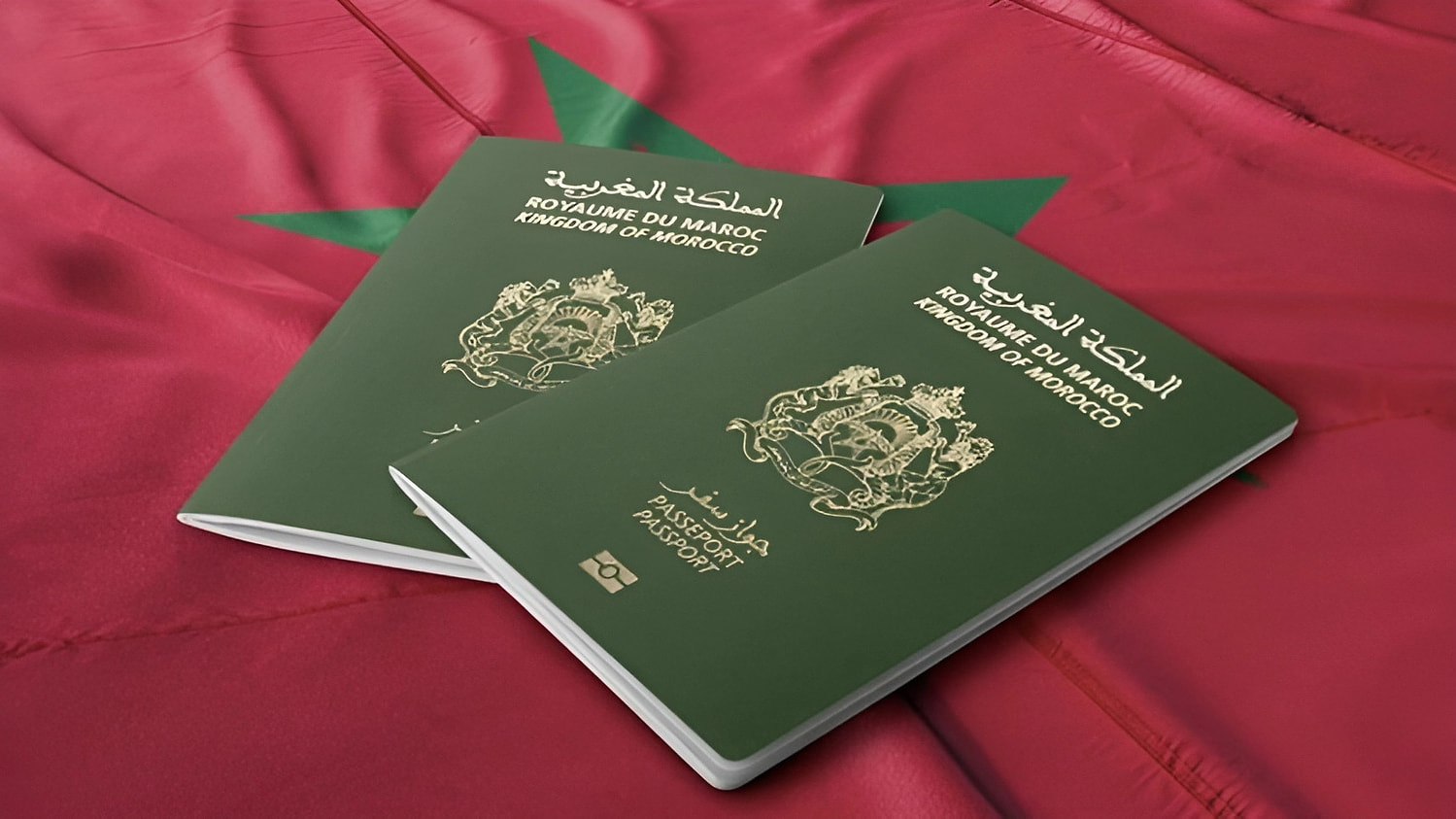
Morocco has officially launched a new generation of biometric passport, cementing a long-anticipated upgrade to one of its most important travel documents. The decision, formalised through a government decree adopted on July 9, 2026, signals a clear commitment to aligning Morocco’s identity infrastructure with the latest international standards.
A decree that makes it official
Morocco’s Council of Government adopted decree no. 2.26.551, which amends the 2008 decree that originally established the biometric passport. Presented by the Minister of the Interior, the text opens the door to the rollout of a new passport generation designed to strengthen document security and bring it in line with the most current global standards. According to L’Opinion, the move had been anticipated for some time as part of a broader push to modernise Moroccan administrative services. The formal adoption at the weekly Council of Government meeting gives the reform its full legal standing, setting in motion a process that will eventually put a redesigned travel document in the hands of millions of Moroccan citizens at home and abroad.

Stronger protection against fraud and forgery
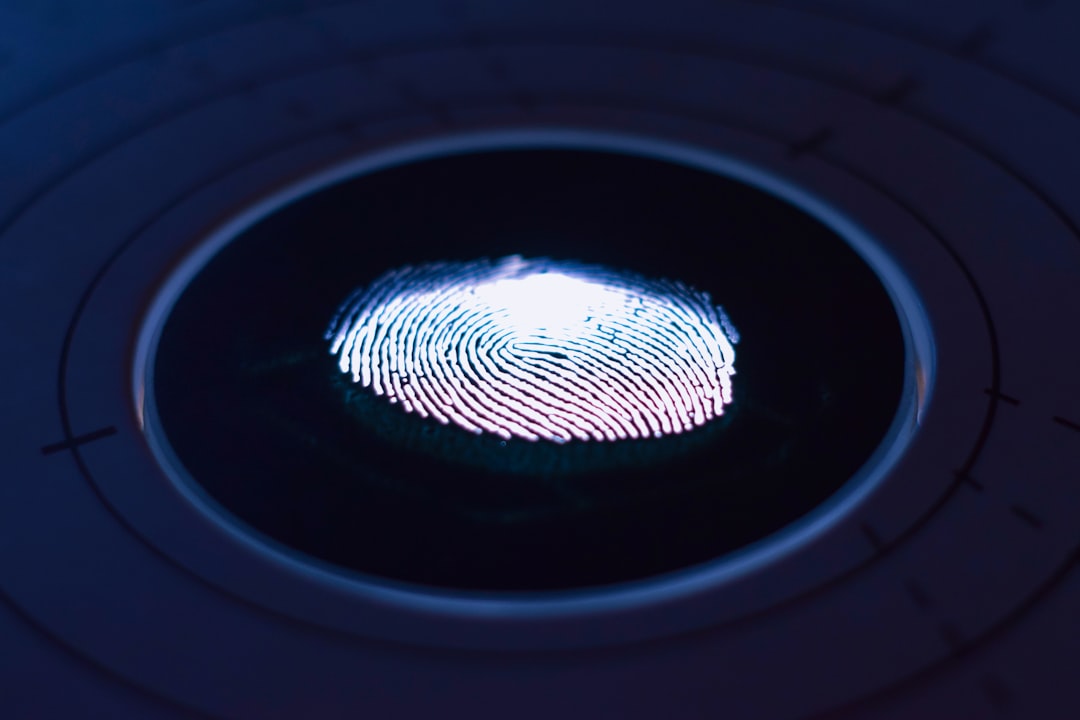
At the core of the reform is a drive to make the Moroccan passport harder to counterfeit. Government spokesperson Mustapha Baitas confirmed that the reform forms part of ongoing efforts to improve the protection of the Moroccan passport against the risks of falsification and documentary fraud. The new decree provides for the introduction of a new passport generation integrating more advanced security components to better protect the travel document against fraud and forgery. Interior pages will contain encrypted visual elements designed to block tampering attempts, while modern electronic chips will speed up data reading at customs and border checkpoints. These technical upgrades reflect a global trend among governments investing in document integrity, particularly as international travel volumes continue to grow and sophisticated forgery techniques become more accessible.
A passport that reflects Moroccan identity
Beyond its security credentials, the new passport carries a deliberate cultural dimension. According to government spokesperson Baitas, the new travel document will reflect Moroccan identity in its multiple tributaries, responding to international requirements around security and the reliability of identity documents. He also stressed that the future model will give greater prominence to the various components of Moroccan identity. This means the design itself, not just the technology embedded within it, will serve as a statement of national heritage and cultural depth. The approach mirrors similar efforts seen in other countries that have used passport redesigns as an opportunity to celebrate history, geography, and artistic tradition. For Morocco, a country with a rich Amazigh, Arab, Andalusian, and African legacy, the new passport offers a canvas to project that diversity to the world each time a border is crossed.
How the rollout will work
The government has been clear that the transition to the new format will be gradual and require no immediate action from current passport holders. Biometric passports currently in circulation will retain their full validity until their expiry date, with replacement happening progressively only when holders apply to renew their documents, ensuring a seamless transition for citizens. A joint decree from the Ministries of the Interior and Foreign Affairs will set the practical procedures for issuing the new biometric passport, including administrative formalities and the conditions required to obtain it. This two-ministry coordination ensures that Moroccans applying through consulates abroad, as well as those applying domestically, will follow a unified process once the new model officially enters circulation.
Part of a wider modernisation agenda
The biometric passport reform does not stand alone. This development forms part of the government’s strategy to modernise administrative services and identity documents. The new decree updates the regulatory framework that has been in place since 2008, when Morocco first introduced the biometric passport. Updating that framework nearly two decades on reflects how rapidly the relevant technology has evolved. By integrating a new generation of security technologies, the future biometric passport aims to reinforce the reliability of the Moroccan document while facilitating its use for international travel. For a country that has set ambitious targets in tourism and diaspora connectivity, issuing a passport that commands confidence at every border in the world is both a practical necessity and a strategic asset. The reform now awaits the joint ministerial decree that will define the final technical specifications and delivery conditions before the new booklet reaches the public.
Based on reporting by L’Opinion (lopinion.ma)