
Morocco holiday season arrives every July like a long exhale, and for parents across Marrakech, Fes, Rabat, and beyond, it brings one powerful question: how do we make this week matter for our children?
Why July is the right time for cultural learning
July is Morocco’s full summer break. Schools close completely, and families have real time together. This is not a 3-day window. It is a full week, sometimes 2, when children are open, curious, and free from the pressure of exams.

Cultural learning works best when children are relaxed. A child who is not thinking about homework will touch a pottery wheel with genuine curiosity. A child who has space to breathe will actually taste the cumin in a tagine and ask why it is there.
Furthermore, July brings Throne Day on 30 July, a national celebration that fills city squares with music, color, and pride. Families who plan their Morocco holiday around this date give children a live experience of national identity, not just a page in a textbook.
The medina as a classroom
Every Moroccan city has a medina, and every medina is a living museum. Walking through it with your children is not a tourist activity. It is a homecoming. The smells, sounds, and colors are part of your family’s story.
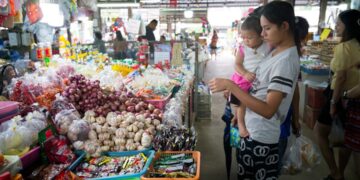
Keep medina visits short and focused. Choose 1 specific craft area per visit: the copper workers, the leather dyers, or the wood carvers. Give children a simple task, such as finding 3 different geometric patterns on a door. This turns a walk into a mission, and children remember missions.
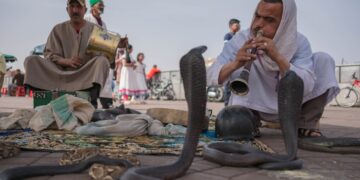
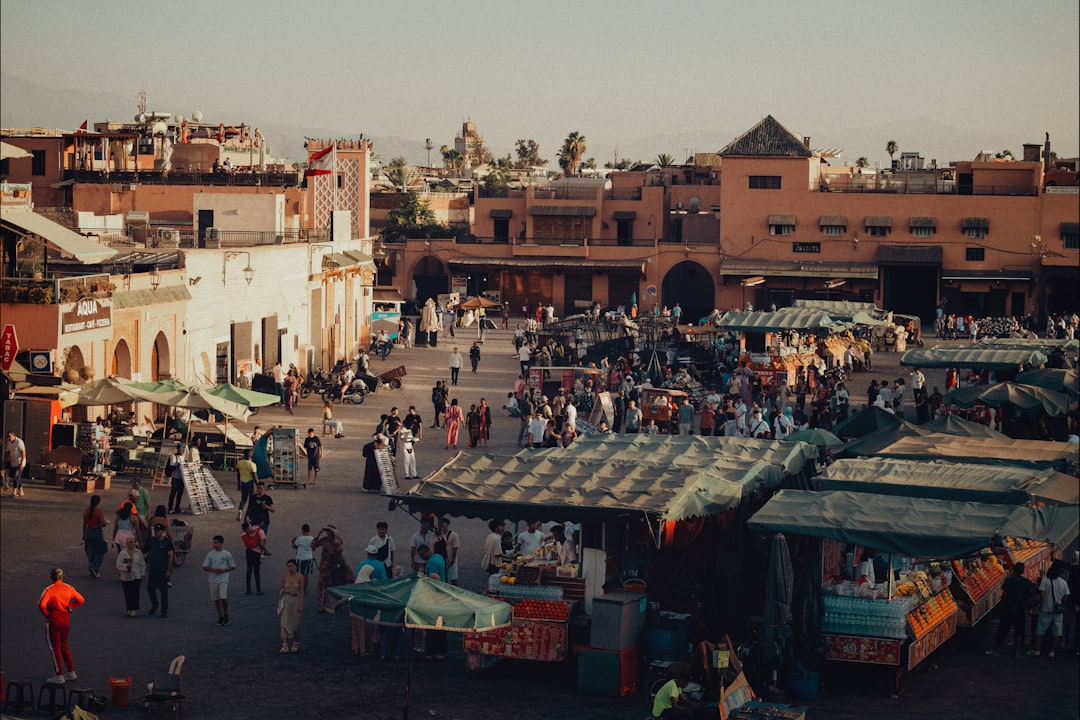
In Marrakech, the medina also connects families to Jemaa el-Fnaa square, a UNESCO-recognized cultural space where storytellers, musicians, and performers gather every evening. Arriving as a family at dusk, sitting close together, and watching a storyteller work is one of the most powerful heritage moments you can offer a child at no cost.
Hands-on workshops that children remember
Passive sightseeing fades. Active making stays. This is why craft workshops are the most valuable activity you can build into your Morocco holiday week.
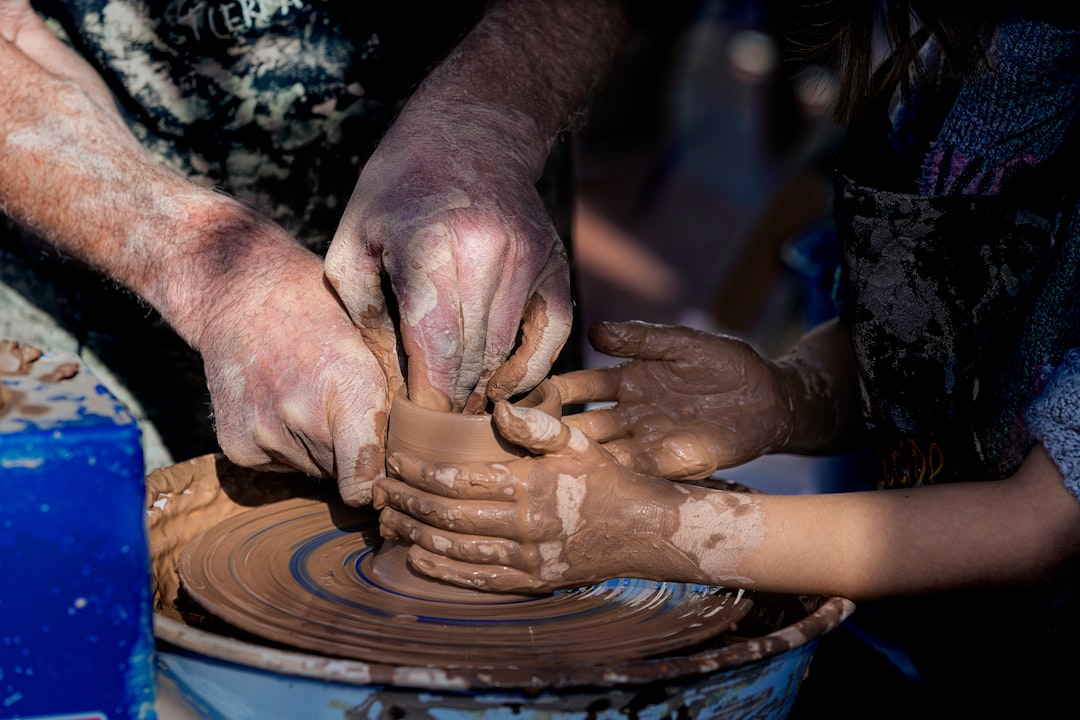
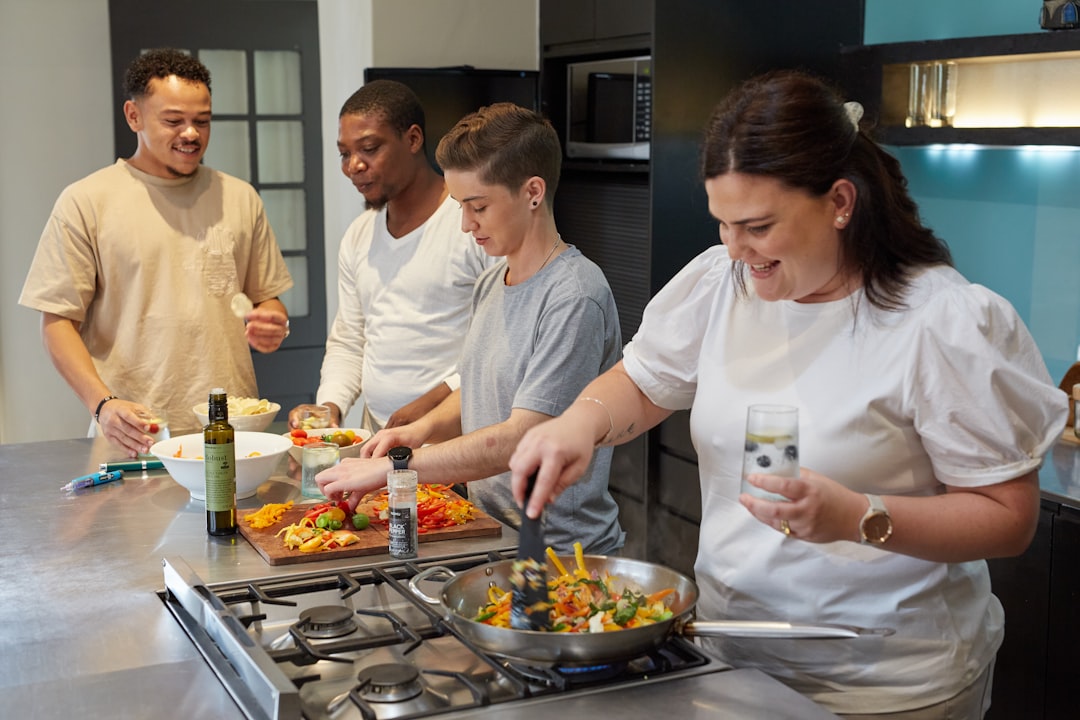
In Fes, pottery and ceramic workshops welcome families. Children shape clay on a wheel, paint traditional geometric patterns on tiles, and take home their own creation. Some workshops start from 150 MAD per person, making them accessible for most families. In Marrakech, cooking workshops give children a direct connection to food culture. Children visit a local market to choose ingredients, then learn to prepare dishes such as couscous, tagine, or mint tea. Most sessions end with everyone eating the meal they made together.





For older children, a calligraphy workshop or a zellige tile session adds a layer of precision and focus that screens never teach. These activities build patience, pride, and a lasting sense of belonging to something much older than any app.
Expert perspective on children and cultural heritage
Morocco’s craft traditions are not museum pieces. They are living skills passed between generations, and children who touch them early develop a sense of identity that remains with them into adulthood. When a child in Fes places their hands on a pottery wheel for the first time, they are not just making an object. They are entering a conversation that has been happening in that district for centuries. The most effective cultural learning for children happens through sensation, not explanation. A child who smells saffron in a souk, hears a weaver’s loom, or shapes clay with their own hands will carry that knowledge in a way that a classroom lesson simply cannot replicate. Families who use the summer holiday for even 2 or 3 of these experiences give their children something that grows in meaning over time.
Industry perspective, cultural heritage and family education professionals in Morocco
Cooking, storytelling, and music as living heritage
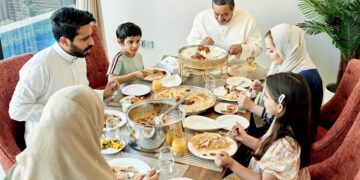
Food is always the fastest way into a culture. A family cooking class is not just a fun activity. It is a heritage lesson delivered through taste. Children learn that Moroccan cuisine is not random. Every spice, every technique, and every shared platter carries meaning about family, hospitality, and place.
Alongside food, music offers another entry point. Gnawa music, Andalusian melodies, and Amazigh songs are all part of Morocco’s recognized intangible heritage. Venues such as Cafe Clock in Marrakech, Fes, and Chefchaouen offer family-friendly evenings where children hear traditional performances in a relaxed setting. Some venues pair music evenings with storytelling, connecting two of Morocco’s oldest art forms in one experience.
Additionally, interactive language sessions designed for families give children a few words of Darija or Tamazight. Even 5 words learned and used in a real shop or market create a moment of connection that children talk about for months.
Planning your week: a simple structure that works
A full week of cultural activity every day will exhaust your children and reduce the quality of every experience. Balance is the structure. Alternate active cultural days with quieter days at a garden, a pool, or a park. The Majorelle Garden in Marrakech and the Menara Gardens offer calm, beautiful spaces where children can run freely while adults rest.
A practical 7-day structure: Day 1, arrive and explore your neighborhood or riad. Day 2, visit a craft workshop. Day 3, spend a morning in the medina with a specific mission. Day 4, rest day with a garden visit. Day 5, join a family cooking class. Day 6, attend an evening performance at a cultural venue. Day 7, return to your child’s favorite activity from the week, and let them lead.
This structure gives children enough variety to stay excited and enough repetition to feel confident. Always carry water, plan activities before midday in July, and choose shaded routes through any medina.
Morocco holiday: the week that teaches what no school can
A Morocco holiday in July is not simply time off. It is time on, time spent inside a living culture that belongs to your children. Every workshop, every medina walk, and every shared meal is a lesson that stays.
The goal is not to visit Morocco’s heritage as if it were a foreign country. The goal is to help your children feel that this heritage is theirs. When a child returns to school in September and can say “I made this” or “I tasted that” or “I heard this music live,” they carry Morocco with them in a completely different way. Plan 3 focused cultural experiences this July. Your children will thank you for years.

Discover more about Morocco holiday
- Morocco World Heritage Sites, UNESCO World Heritage Convention
- UNESCO Culture|2030 Indicators: National Profile of Morocco
- Family Activities in Morocco: Complete Guide for 2026