
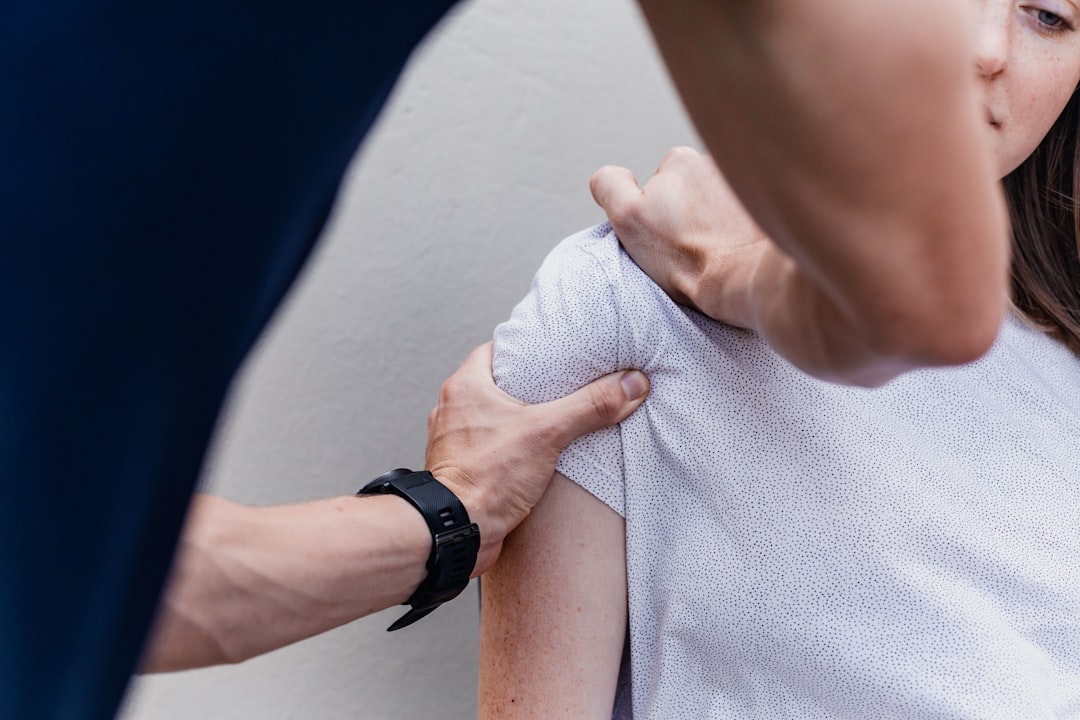
Osteopathy is gaining ground across Morocco, drawing patients of all ages toward hands-on, drug-free care. Yet the discipline remains outside the country’s official health framework, with no legal recognition, no standardized training pathway, and no social security coverage in sight.
A discipline that operates outside the law
In Morocco, osteopathy is not recognized as a medical practice, and it is not included in the regulatory framework for healthcare professions or related training. That gap has real consequences. The discipline lacks recognition as a medical practice and is not covered by social security. Patients who choose osteopathic sessions therefore bear the full financial cost themselves, with no possibility of reimbursement through public health schemes. Osteopathic acts are not reimbursed by the Caisse Nationale de Sécurité Sociale, as remains the case in several European countries where the profession is still not fully regulated. This structural void places Morocco in a familiar but uncomfortable position: a therapeutic practice that many people actively seek, yet one that the state has not chosen to formally define or protect.
Who practices osteopathy, and how
Osteopathy is typically practiced in Morocco by physicians, orthopedic specialists, or other trained professionals such as physiotherapists. The current avenues for pursuing the field include continuing education or dual training through partnerships. One example is the Franco-Moroccan Institute of Osteopathy, which delivers a university diploma program in partnership with Mundiapolis University, covering 256 hours across two years and structured around eleven seminars, largely aligned with the reference framework recommended by the French Ministry of Health for continuing professional education. Without a dedicated national school or state-accredited curriculum, practitioners must cobble together qualifications that often reflect foreign models rather than locally designed standards. In the absence of a legal framework, the priority must be the quality of training. That principle is widely shared among professionals, but it remains a personal commitment rather than a binding requirement.
What osteopathy can offer patients
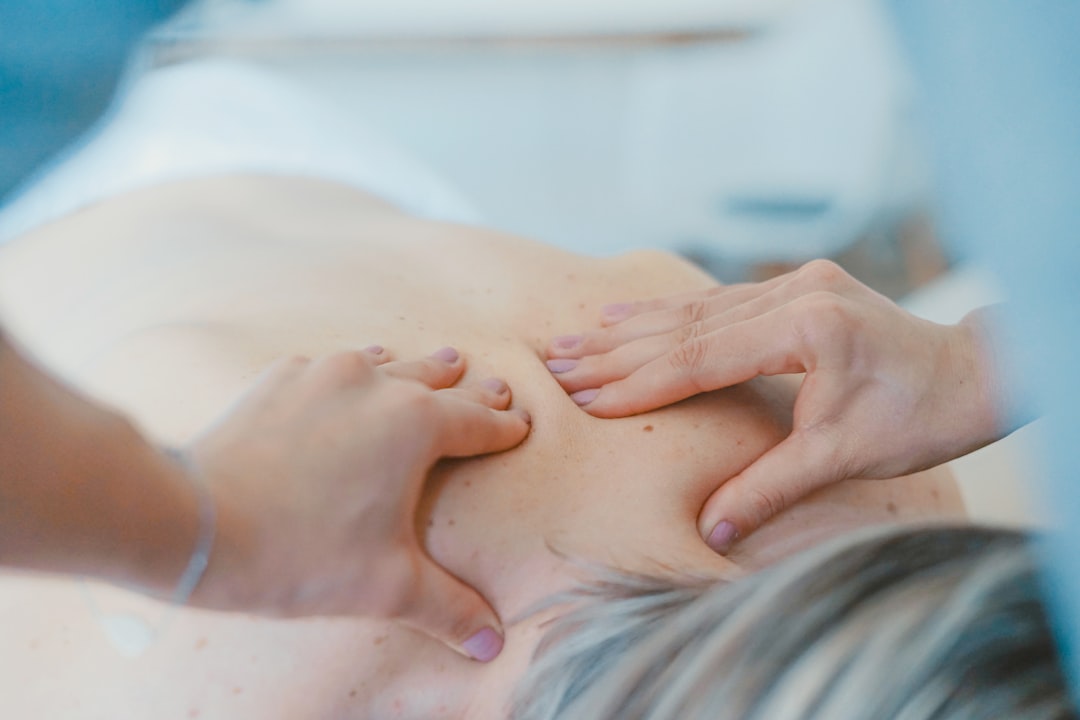
The therapeutic case for osteopathy is growing stronger in professional circles, according to Yabiladi. As interest in non-drug therapies continues to rise, the therapeutic potential of osteopathy is becoming a focal point in professional discussions. Practitioners interviewed in the source report point to a wide range of conditions the discipline can address. Osteopathy can complement other therapies, enhancing treatment effectiveness for musculoskeletal issues, stress-related problems, and aiding in injury prevention and recovery for athletes. The scope extends well beyond sports medicine. It can also benefit infants, pregnant women, and the elderly by optimizing mobility, assisting body adaptations during pregnancy, and supporting functional, digestive, and sleep disorders. This breadth of application is precisely why advocates argue that leaving the practice in a regulatory vacuum is a missed opportunity for Morocco’s broader public health strategy, particularly as the country faces a demographic shift toward an older population.
The challenge of finding a qualified practitioner
For Moroccan patients, the practical difficulty of accessing osteopathic care goes beyond cost. Osteopathy and chiropractic are the most difficult complementary therapies to find in Morocco, with practitioners rare and mainly concentrated in Casablanca and Rabat, making these notably harder to access compared to countries such as France or Australia. One of the main challenges facing the practice of complementary medicine in Morocco is the lack of standardisation and regulation. Without specific licensing requirements in place, it can be difficult for patients to know whether they are receiving treatment from a qualified and competent practitioner. Consultation fees reflect this market imbalance. Where qualified practitioners are available in major cities, sessions can range from around 400 to 700 MAD or more, in line with private specialist fees. For many Moroccan families, that cost, entirely out-of-pocket, remains a barrier.
A call for structured recognition
The consensus emerging from practitioners and health observers is clear: the goal is not to position osteopathy against conventional medicine, but to bring it formally within the system. The goal is not to replace conventional medicine, but to regulate these practices as they become more popular. Osteopathy complements rather than substitutes. Professionals stress that patients must take an active role in protecting themselves in the meantime. They underline the importance of being informed and choosing trained practitioners for practices conducted within a comprehensive health approach focused on collaboration and coordinated care pathways. Osteopathy remains a profession with a future, one that will not take long to organize itself and gain formal recognition. Whether Morocco’s health authorities accelerate that recognition, or continue to leave the field in a legal grey zone, will shape both public safety and access to care for years ahead.



Based on reporting by Yabiladi (yabiladi.com / en.yabiladi.com), article by Ghita Zine (Latifa Babas), published April 4, 2026.