
Fête du Trône pulls back the curtain on a Morocco most visitors never get to see, a country that dresses itself in red flags, opens its doors, and celebrates with a joy that feels completely unplanned.
What Fête du Trône actually is
Fête du Trône, known in Arabic as Eid al-Arsh, is the most important civic holiday in the Kingdom of Morocco. It is celebrated on July 30 each year and commemorates the accession of King Mohammed VI to the Alaouite throne in 1999, following the death of his father, King Hassan II.
Throne Day has been observed since the era of King Mohammed V, but the date has changed twice in modern Moroccan history. Under Hassan II, who reigned from 1961 to 1999, the holiday fell on March 3, the anniversary of his own accession to the throne. When his son King Mohammed VI ascended on July 30, 1999, the official date was moved to mark his accession.
The day is both a celebration of the monarchy and a national review moment. The King’s annual Throne Day speech is the central political address of the Moroccan calendar, in which the monarch sets out priorities for the year ahead. The king traditionally delivers a televised speech, watched closely by the population. Many families gather that evening to watch it together.
How families celebrate across the country
According to Moroccan tradition, the King and his followers wear white on this day. You will also see many people in the streets in traditional Moroccan costumes. Traditional clothing for women and men in Morocco consists of long, flowing robes with light-colored hoods and slippers.
The family dimension is central to this holiday. Moroccan households prepare traditional meals, bring out their finest clothing, and gather across generations. Official ceremonies typically underline the enduring unity between the monarch and the Moroccan people. Communities come together to host celebrations, encouraging unity and national pride and building camaraderie among neighbors.
Streets, public buildings, and homes are decorated with Moroccan flags and portraits of the King. Children carry small flags in neighborhood streets. Grandparents sit in front of televisions while the next generation fills the squares outside. The holiday connects 3 generations in a single evening in a way that few other events can.
City by city: where the celebration hits hardest
The festivities take place in all Moroccan cities, but some of the largest Throne festivals are usually held in Marrakech or Rabat. Each city offers a different version of the same celebration.
In Rabat, the capital, official ceremonies take center stage. Official ceremonies take place across the country, including military parades, tributes, and speeches in various cities. Major avenues are lit up, giving towns and cities a festive feel. The boulevard Mohammed V fills with families walking in their best traditional dress.
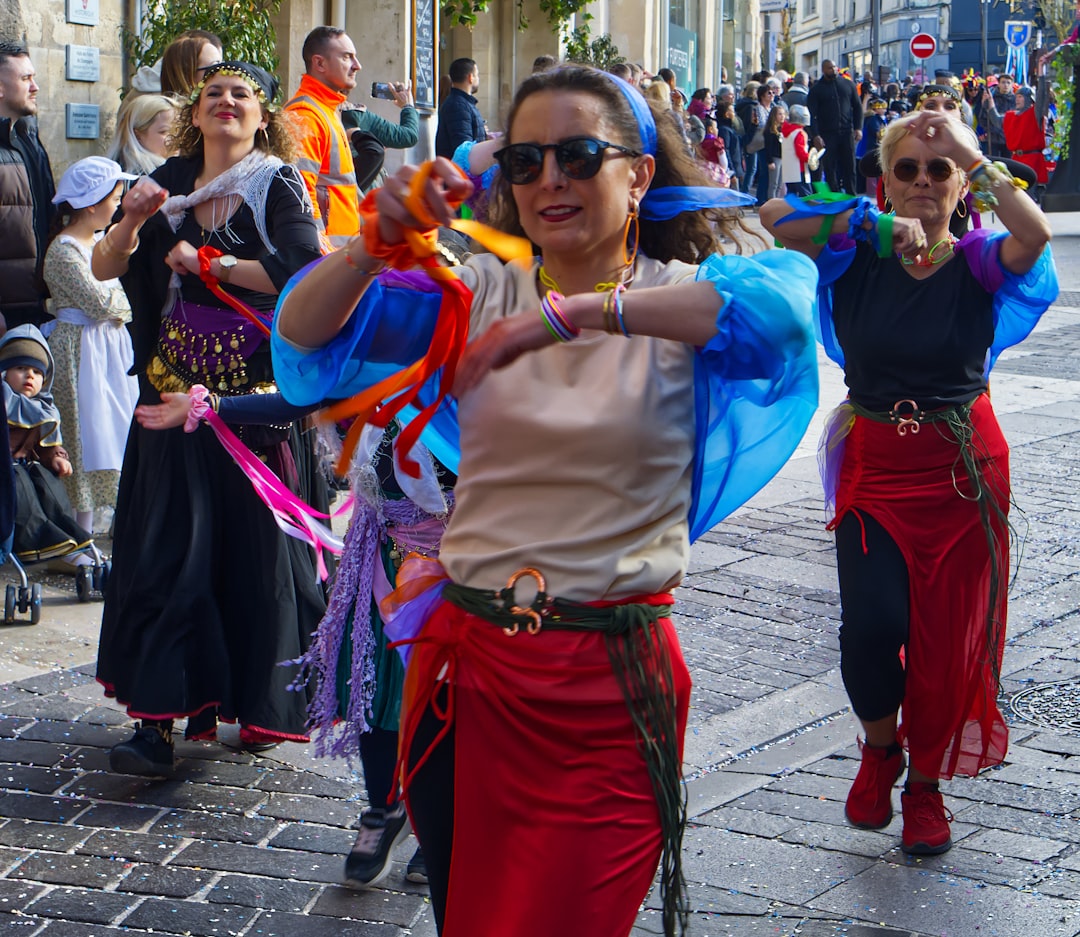
In Marrakech, sound and light shows take place on the walls of the historic medinas. The Jemaa el-Fna square and the ramparts of the medina host spectacular performances. Cities burst into life with vibrant parades, concerts, traditional dances, and art exhibitions, honoring Morocco’s diverse cultural heritage. These festivities offer a glimpse into Moroccan traditions, with performers in customary attire playing folkloric music.
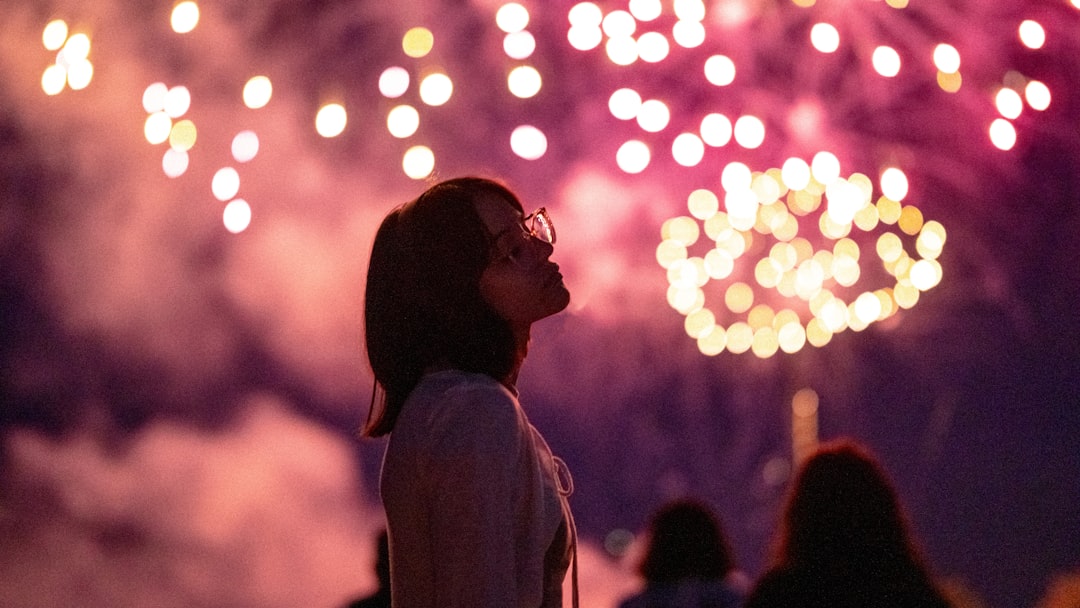
Major cities including Rabat, Casablanca, Marrakech, Fez, Tangier, and Agadir host evening fireworks displays. In Fez, the ancient medina becomes a stage for musicians and storytellers who perform in the open air until late. In Casablanca, the broad boulevards host public concerts that draw enormous crowds.
Expert perspective on the holiday’s deeper meaning
Fête du Trône is not a holiday that Moroccan families simply observe from a distance. It is something they feel personally. When the King addresses the nation, people listen together as a household, and the speech becomes a topic of conversation for days afterward. The food prepared on this day is not accidental either. Families cook specific dishes that connect to their regional identity, whether that is a slow-cooked lamb tagine in the mountains or a seafood meal along the coast. For a visitor, arriving on July 30 without understanding this dimension means missing the real Morocco entirely. The public celebrations are remarkable, but the private ones, the family table, the shared television, the children dressed in djellabas, are where the heart of the holiday lives.
Industry perspective, culture and tourism professionals in Morocco
What visitors need to know before they arrive
July 30 is the most important civic public holiday in Morocco. Government offices, banks, and most businesses close for the day. Plan your practical needs in advance. Carry enough local currency, as ATMs can have long lines near public squares.
The 30th of July falls in full summer. Temperatures inland often exceed 35 degrees Celsius. In Marrakech and Fez, they can reach more than 40 degrees. Carry water, plan visits for early morning or evening, and seek shade in the middle of the day.
Hotels fill up several weeks in advance around July 30. The period around this date is one of the high tourist seasons in Morocco, attracting both Moroccans living abroad returning for summer and foreign visitors. Book accommodation early, particularly in Marrakech, Rabat, and Fez. Position yourself near a large public square for the evening fireworks and the festive atmosphere that follows.





Conclusion: go where the celebration takes you
Fête du Trône rewards the visitor who moves with curiosity rather than a fixed schedule. Follow the music down a medina alley. Accept an invitation to watch the royal speech with a local family. Stand under the fireworks in a city square and feel Morocco celebrate itself. Communities come together to encourage unity and national pride, building camaraderie among neighbors. That camaraderie extends to visitors who show genuine respect and interest. Fête du Trône is not a spectacle designed for tourists. It is a living national moment, and the fact that you can walk right into the middle of it is one of the great gifts Morocco offers the open-minded traveler.
Discover more about Fête du Trône
- Throne Day in Morocco: Dates, History and Traditions (Rove.me)
- Moroccan Throne Day: History, Traditions and Dates (Beevago)
- Fête du Trône 2026: Programme et Célébrations (Agenda Maroc)