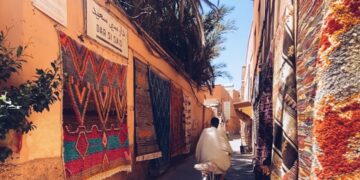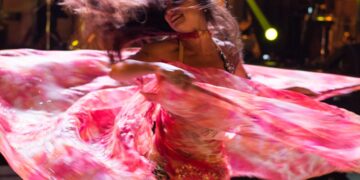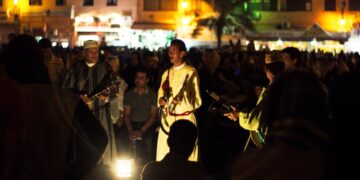


Throne Day celebrations fill Moroccan streets with colour, smoke from clay ovens, and music that does not stop until long after midnight, and the real story happens nowhere near a palace.
What Throne Day actually means to Moroccan families
Throne Day, known locally as Eid Al-Arch, is the most important civic holiday in Morocco. It is celebrated on July 30 each year and commemorates the accession of King Mohammed VI to the Alaouite throne in 1999, following the death of his father, King Hassan II.
In 2026, the holiday marks 27 years of King Mohammed VI’s reign, and Throne Day celebrations turn ordinary streets into real centres of joy, unity, and national pride. For most families, the day is not about formal ceremony. It is about gathering people who matter.
The most touching aspect of Throne Day is how families gather to discuss Morocco’s progress and future. Fathers explain to their children the improvements they have witnessed, including new roads, schools, hospitals, and economic opportunities that have emerged during the reign. That conversation, passed across a table full of food, is the real ceremony.
The food at the centre of every Throne Day table
Food is the anchor of every family Throne Day celebration. Families gather to share special meals, and the day is widely considered a time for national unity and reflection on Morocco’s journey as a sovereign nation. What lands on the table varies by region, but the effort is always serious.
In many homes, a slow-cooked lamb tagine appears as the centrepiece. Cooks begin preparing it the evening before, layering preserved lemons, olives, and ras el hanout into the clay pot. Couscous with seven vegetables is the other great favourite, and grandmothers guard the proportions of saffron and ginger with absolute confidence. Restaurants also offer special menus featuring traditional Moroccan cuisine during the celebrations.
Moroccan communities host celebrations that bring neighbours together. Local feasts, featuring an array of traditional dishes, reflect the communal harmony that Throne Day creates, making it a time for joyous reflection and collective optimism. Families rarely eat alone. A shared platter on a shared table in a shared courtyard is the standard format.
Music that moves from living rooms to open streets
With support from the Moroccan National Tourist Office, major hubs like Rabat, Casablanca, and Marrakesh run large-scale cultural programmes, including open-air concerts with classical Andalusian music, Gnawa rhythms, and more contemporary pop on the lineup.
But the music that matters most is not on any official stage. In older medinas, groups of musicians set up spontaneously in alleyways. Children clap along without being told. Streets come alive with parades that celebrate Morocco’s diverse cultural heritage, alongside concerts, traditional dances, and art exhibitions in various cities. These festivities offer a vivid showcase of Moroccan traditions, with performers wearing customary attire and playing folkloric tunes.
In the Atlas Mountains, Berber communities perform traditional dances. Along the Atlantic coast, fishing communities organise special ceremonies by the sea. Every region reads Throne Day in its own musical language, and that diversity is precisely what makes it worth chasing.

An expert perspective on Throne Day and community
Throne Day is genuinely different from any other public holiday because it activates every layer of Moroccan social life at once. Families who rarely see each other make the effort to meet. Neighbours who share a courtyard all year suddenly share a table. The music is not organised by any committee; it simply happens because someone picks up an instrument and someone else starts to sing. What you observe on July 30 is not performance for tourists. It is the ordinary fabric of Moroccan community life made visible for one full day. The food, the flags, the fireworks: they all serve the same function, which is to remind people that they belong to something larger than themselves.
Cultural and community perspective, Moroccan heritage and social traditions professionals





Neighbourhood gatherings: the courtyards and squares that come alive
Across the country, official buildings and main streets are decorated in the red and green of the Moroccan flag. Banners, fairy lights, and giant portraits of the king cover building facades, and cities often start transforming several days ahead of the official date.
Expect military parades, a gun salute, decorated boulevards, and fireworks that close out the night in the larger cities. Families gather, cafes stay busy, and national flags hang from balconies across the country. In smaller towns, the gathering moves to the central square after sunset, and the scale becomes more human and more intimate.
In some cities, free concerts and public events are held in the evening, open to everyone. It is a chance to enjoy local music, sometimes traditional and sometimes more contemporary, in a relaxed and friendly atmosphere. It is also a good time to encounter pop-up markets and street food stalls. If you want to understand a neighbourhood, this is the night to walk through it.
Conclusion: why Throne Day celebrations are worth experiencing in full
Throne Day is not a spectacle designed for outside eyes. It is a living ritual that Moroccan families have adapted, personalised, and made their own across 27 years. The Throne Day celebrations you find in a Marrakech riad courtyard, a Fez medina alley, or a Casablanca apartment block rooftop are all genuinely different and all genuinely Moroccan. Come with an open appetite, stay for the music, and accept an invitation if one comes your way. Those Throne Day celebrations, the ones that happen behind the flags and before the fireworks, are the ones you will remember longest. Share what you find, and keep discovering.
Discover more about Throne Day
- Throne Day: official news and royal address on the Kingdom of Morocco portal
- Morocco Throne Day 2026 celebrations: events and cultural programmes happening today
- Morocco’s Throne Day: a community and heritage celebration guide