
Morocco medinas come alive in September as cooler air returns and the narrow alleys of Fez, Marrakech, and Rabat begin to breathe again after months of punishing summer heat.

When the heat breaks, the city wakes
September changes everything inside a medina. The temperature in Marrakech sits around 30 to 33 degrees, warm but no longer brutal. The medina is noticeably less crowded than in July and August. Locals who retreated to coastal towns or stayed indoors during the worst weeks now return to the streets with energy and purpose. The rhythm of the city shifts from slow and careful to full and deliberate.
This is not a subtle change. You feel it in the air before you see it in the streets. Early mornings and evenings become comfortable for medina exploration. Families sit outside after dinner. Vendors arrange their goods with more attention. The whole ancient structure of these walled cities seems to exhale.
The ideal time to explore a medina is during spring and autumn, when temperatures are pleasant and skies typically clear. September sits right at the start of that window. You arrive before the peak autumn crowds build, which means you get the best of both worlds: good weather and space to move.
How souks shift into full production
The craft markets do not simply stay open longer in September. They change in character. The imperial cities of Fez and Marrakech showcase vast networks of specialized souks, each dedicated to a specific craft. In summer, many artisans reduce their hours or pause production because the heat inside workshops becomes impossible. In September, that changes fast.
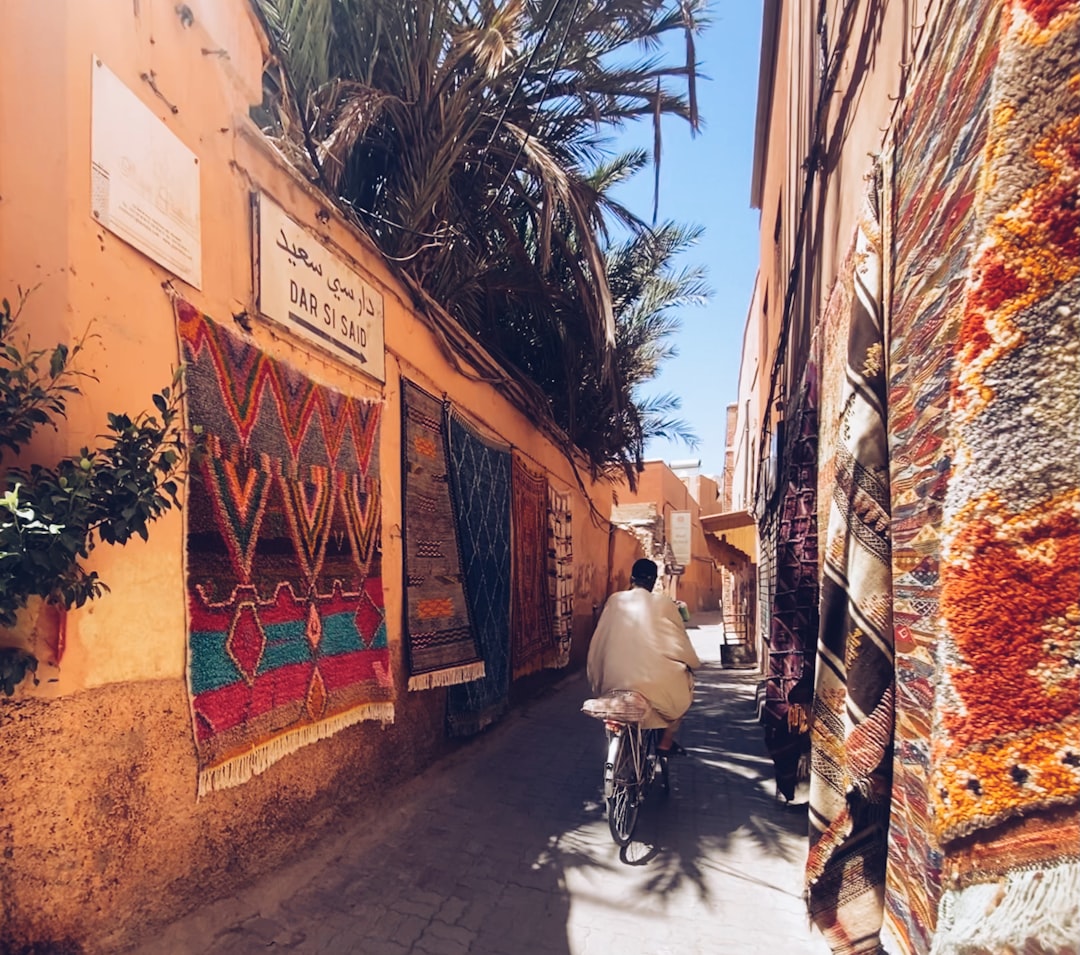
Fez is famous for its ancient craftsmanship, and every street in the medina is home to skilled artisans who have preserved their craft for centuries. Walk through the leather quarter and you hear hammers shape brass again. The sound of looms returns to the weaving districts. Leather workers at the famous tanneries resume their dyeing cycles in the cooler air. Many pieces are created just steps from where they are sold.
This is the season to buy with confidence. Vendors happily explain the symbols woven into rugs, guide you through the bargaining process, and invite you to see how items are made. September visitors are not part of a rushing summer crowd. Artisans have time to talk, and those conversations are where the real knowledge lives.
Street life after dark: a different medina
The streets inside Morocco medinas change most dramatically after sunset in September. In July, the heat does not release until very late and the energy stays low. In September, the evenings cool by 8 or 9 pm and the public spaces fill with a different kind of life.
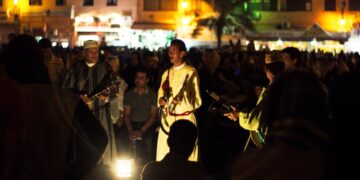
The beating heart of any Moroccan medina is its central square, where locals and visitors gather to shop, dine, and be entertained. Jemaa el-Fnaa in Marrakech transforms from a busy marketplace by day to a carnival-like atmosphere at night. Storytellers find their audiences again. Street food stalls produce full smoke and noise. Musicians set up without the worry that the heat will drive everyone away early.
Unlike the more famous medinas of Fez or Marrakech, the historic Rabat quarter offers a more relaxed and authentic experience, free from overwhelming crowds. Traditional artisans continue age-old crafts while locals go about their daily lives. Rabat is the medina to visit when you want to understand how people actually live inside these ancient walls, not just how they perform for visitors.
Expert perspective on the autumn medina season
September and October represent a return to balance inside the medinas. After the summer, artisans restock their workshops and produce at full capacity again. The cooler temperatures allow longer working hours, which means higher quality output and more variety on the market floor. Visitors who come in this season engage more deeply with the craft process because there is simply more time and space on both sides. The souks are active but not overwhelming. Local families return to the public squares in the evenings. The medina functions as a living neighborhood, not a tourist attraction, and that distinction matters enormously for anyone who wants a genuine connection to the place. This is the season that rewards the curious traveler, the one who walks one alley past the obvious route and finds a workshop, a conversation, or a meal that no guidebook lists.
Industry perspective, cultural tourism and medina heritage professionals in Morocco
What riads reveal about the season
This period is considered one of the most important tourist seasons in Morocco. Marrakech counts more than 1,500 traditional riads, most of which are located in the historic districts. Many of these properties fill up fast in October, but September still offers real availability. Riad prices drop 20 to 35 percent compared to peak season.
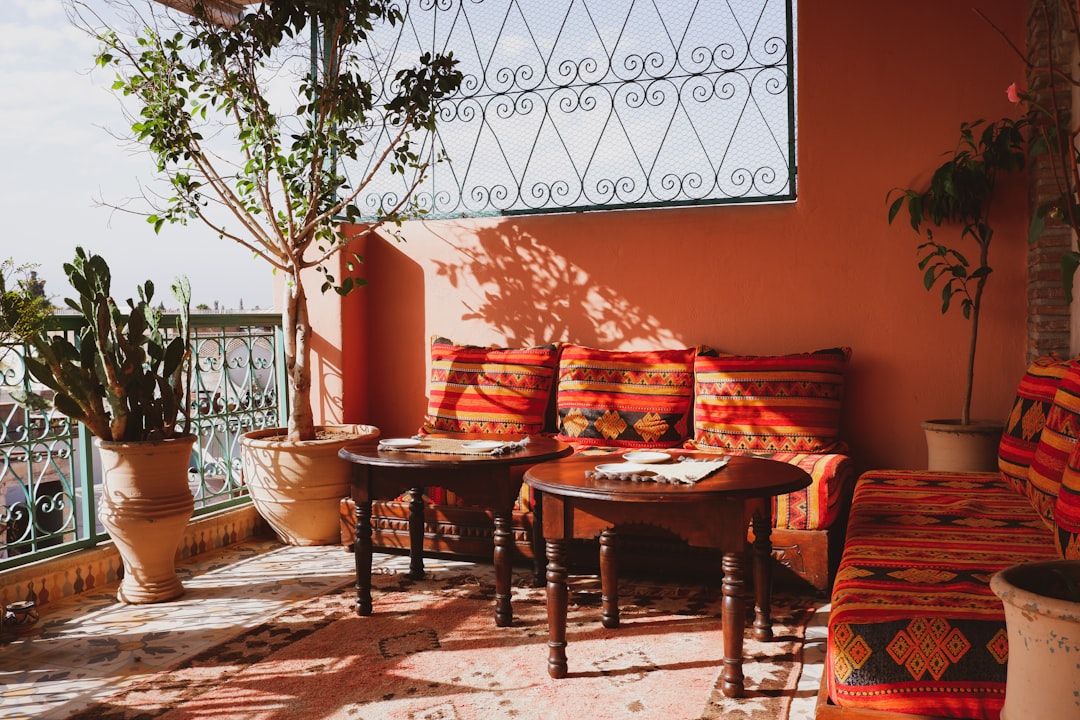
One of the most charming aspects of these old neighborhoods is the presence of riads, traditional Moroccan houses built around a central courtyard. Many of these have been converted into boutique hotels or restaurants, offering visitors a chance to experience the tranquility that lies behind their unassuming exterior walls. Staying inside the medina, rather than in a hotel outside the walls, changes your experience completely. You wake to the call of the city, not the sound of a parking lot.






The riad courtyard is also where you understand September best. The morning light arrives at an angle that summer never allows. Breakfast on a rooftop terrace feels possible without a parasol. Evening dining on rooftop terraces is comfortable without the summer heat. These are small details, but they accumulate into a completely different kind of visit.
Morocco medinas in September: your moment to go
Morocco medinas in September offer a version of this country that most visitors never encounter. The crowds thin, the artisans produce at full energy, the evenings open up, and the ancient city becomes a place you can actually inhabit for a few days rather than simply pass through. September alone recorded 1.4 million arrivals in 2025, an increase of 9% year on year, which shows that more travelers are discovering this window. Come before it closes. Walk past the first souk, find the second alley, and stay long enough to hear a craftsman explain what he is making and why. Morocco medinas reward exactly that kind of attention, and September is when they give it back most generously.
Discover more about Morocco medinas
- Visit Morocco: Official tourism guide to medinas and culture
- Adventure Travel Trade Association: Morocco tourism arrivals and industry data
- Morocco World News: Morocco welcomed 15 million tourists by the end of September