

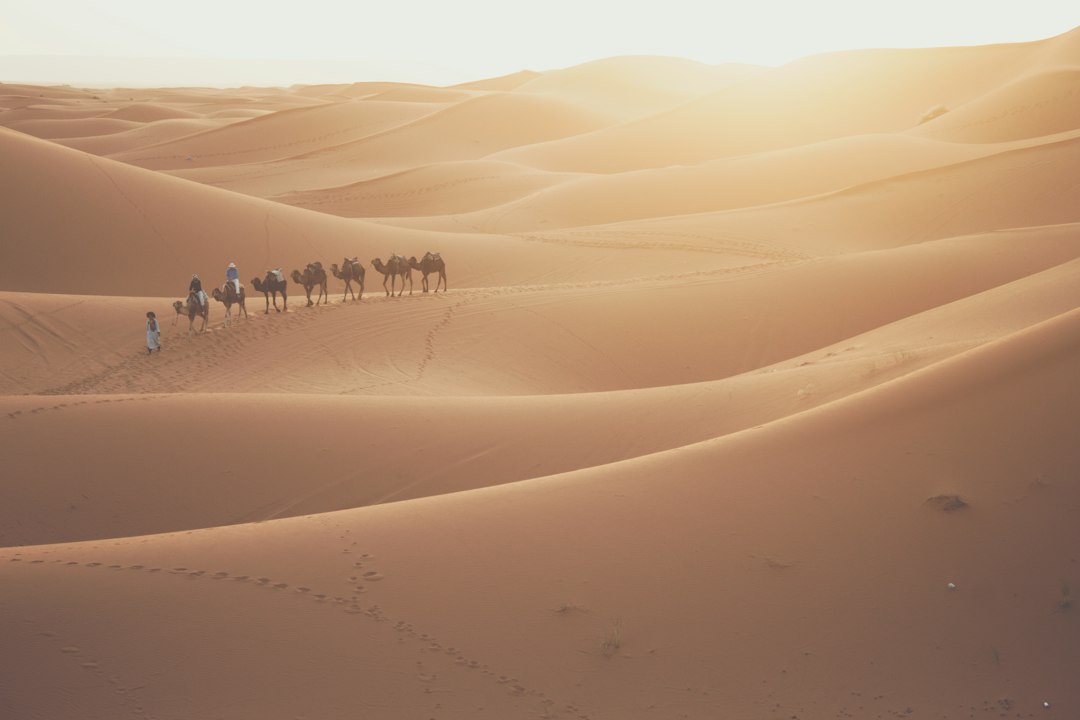
A Sahara trip in Morocco starts well before the camel ride across the dunes of Merzouga or Erg Chigaga. Most disappointments come from decisions made too late, not from the desert itself: an undecided gateway town, an unconfirmed camp level, or a daypack built for heat that forgets the cold after sunset. This guide sets out the choices worth settling first, from where to enter the dunes to what keeps you comfortable once the sun drops and the temperature falls fast.

These seven decisions shape a Sahara trip most directly. They are chosen because skipping any one of them is the most common source of regret travellers report after their desert nights end, and price, comfort and safety all hinge on getting them right before departure.
### Pick Merzouga or Zagora before anything else Merzouga and Zagora are the gateway towns to the desert dunes, and both routes travel mountain and desert roads that take at least a full day. If you only have one night available, your best bet is to visit the closer Zagora Desert. With two or three nights you can easily visit the stunning orange sand dunes of the Merzouga Desert. Note that a short tour from Marrakech often spends the night in a black rocky surface desert close to Zagora town, which doesn't have ergs and isn't considered part of the Sahara, so travellers chasing true dunes should plan for Merzouga or the more remote Erg Chigaga.
### Match the tour length to your nights in Marrakech Three days is the practical minimum from Marrakech, but it still involves long hours on the road. Given the huge amount of driving required, expect a very full day of driving there and back, broken up by stops such as Ait Ben Haddou or the Dades Valley. With four free days, consider routing toward Erg Chigaga near M'Hamid instead; these dunes are more secluded, and the experience is best spread across four days. On any two or three night package, double check that at least two of the nights are in fact spent in the desert, not on the road between towns.
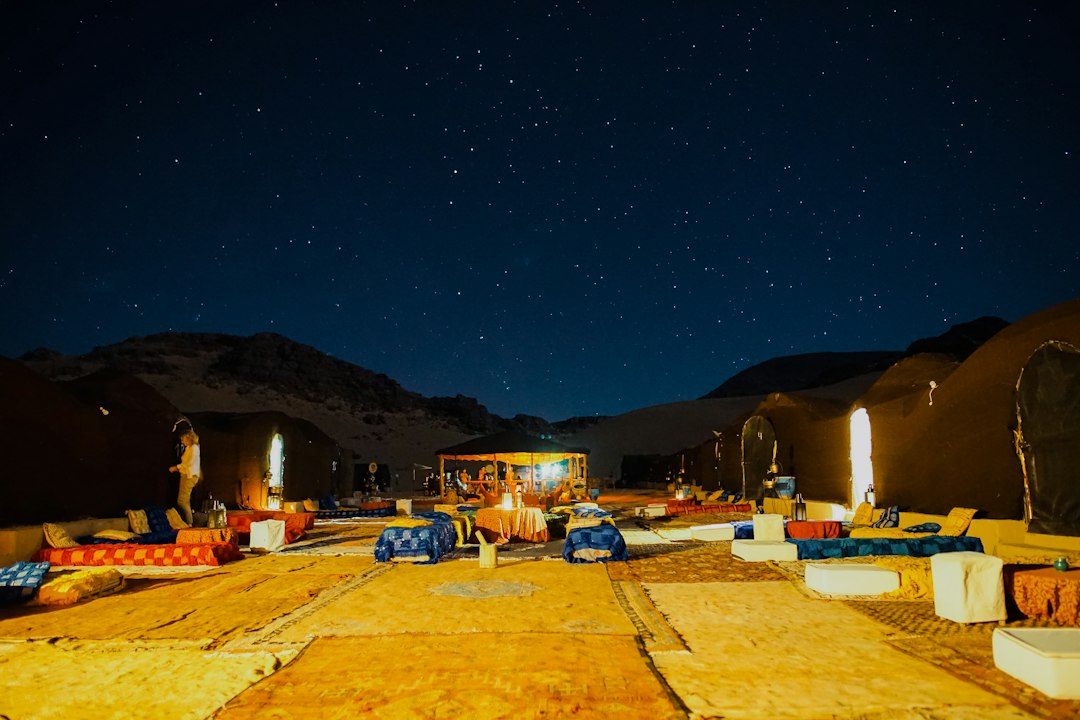
### Confirm camp level when you book, not after Desert camps range from basic shared tents to genuinely luxurious accommodations with en-suite bathrooms and hotel-level service. A budget or standard option typically runs in the €30 to €65 a night range with shared bathroom facilities and a simple dinner and breakfast included. The gap between "luxury camp" marketing photos and the reality can be significant with less reputable operators, and this is the single most common source of disappointment in Sahara trip reviews. Ask for recent photos of the exact tent before paying a deposit.
### Reserve transport and the tour in advance Booking your tour in advance before arriving in Morocco gives you time to do your research and secure a reputable operator. A private trip is the most expensive option but the most personalised, letting you customise hotels, stops and timing. A shared minibus costs less and suits solo travellers who enjoy company, though pickup order can leave latecomers with separated seats on a full bus. Avoid street touts in the medina: operators who own their camels and camps directly are the safer choice.
### Pack for a wide temperature swing Heat and dehydration are the genuine top risk, with conditions above 40°C in summer, so carry two or more litres of water, avoid the midday sun between June and August, and wear a wide hat. Nights turn sharply colder once the sun sets, especially through the winter months, so pack a warm layer and a scarf against blowing sand. For the camel ride itself, comfortable trousers and closed-toed shoes work better than sandals.
### Prepare for no electricity and patchy signal Expect very basic facilities at the desert campsites with no electricity, so bring a flashlight and an extra battery pack for your camera or phone. A 4×4 is required for driving in the desert, mountains and surrounding towns, so do not plan to self-drive the final stretch in a standard rental car. Buses do run to Zagora and Merzouga from Marrakech, but you still need a separate guided excursion once you arrive.




### Arrange travel insurance with evacuation cover Merzouga has only basic clinics, and a serious issue requires transfer to Erfoud or Errachidia, so travel insurance with medical evacuation is worth having. Wandering beyond the marked camp area alone after dark is a real way to get lost among the dunes, so stay near the fire unless a guide leads the way. Buy the policy before you fly, not after you land in Marrakech.
How to choose your Sahara trip
Start with the number of nights you can give the desert, not the destination name. Two nights point toward Zagora or a short Merzouga dash. Three or four nights open up the Erg Chebbi or Erg Chigaga dunes properly, and the extra day often removes the rush that shorter trips bring.
Once the nights are fixed, book the tour and the camp level together, so the price shown upfront already covers meals, camel rides and transport. Build the packing list around the season: sun protection and extra water from May to September, a warm layer and a dust scarf from November to February. Insurance with evacuation cover and a saved copy of the operator's confirmation close out the checklist before departure.
Learn more about Sahara trip
- Morocco Desert Tours: Everything you need to know about a Sahara Desert Tour
- Sahara Desert Morocco Travel Guide: Merzouga, Erg Chebbi, Zagora, Prices & Safety
- Morocco Sahara Desert travel tips