
Moroccan designers are generating real business from the Fête du Trône, and the data behind that shift reveals an economy built on centuries of royal textile craft meeting contemporary global demand.
Why the Fête du Trône matters to the fashion economy
Throne Day in Morocco falls on July 30 each year. It marks the accession of King Mohammed VI to the throne in 1999. For the fashion industry, it is also the most visible moment of the year for traditional dress. By tradition, the King and his followers wear white on this day, and many people across the country appear in traditional Moroccan dress.
Cities come alive with parades, concerts, traditional dances, and art exhibitions that honor Morocco’s cultural heritage. Performers appear in ceremonial attire that carries deep historical meaning. This concentrated display of textile identity creates a visible platform. Moroccan designers who read this moment as a market opportunity are building businesses that reach well beyond July 30.
Royal courts historically encouraged luxurious fabrics, elaborate embroidery, and ceremonial attire for special occasions. That royal association still carries commercial weight. Brands that position their work within this lineage attract buyers from Europe, the Gulf, and across Africa.
The caftan as a global asset, not just a garment
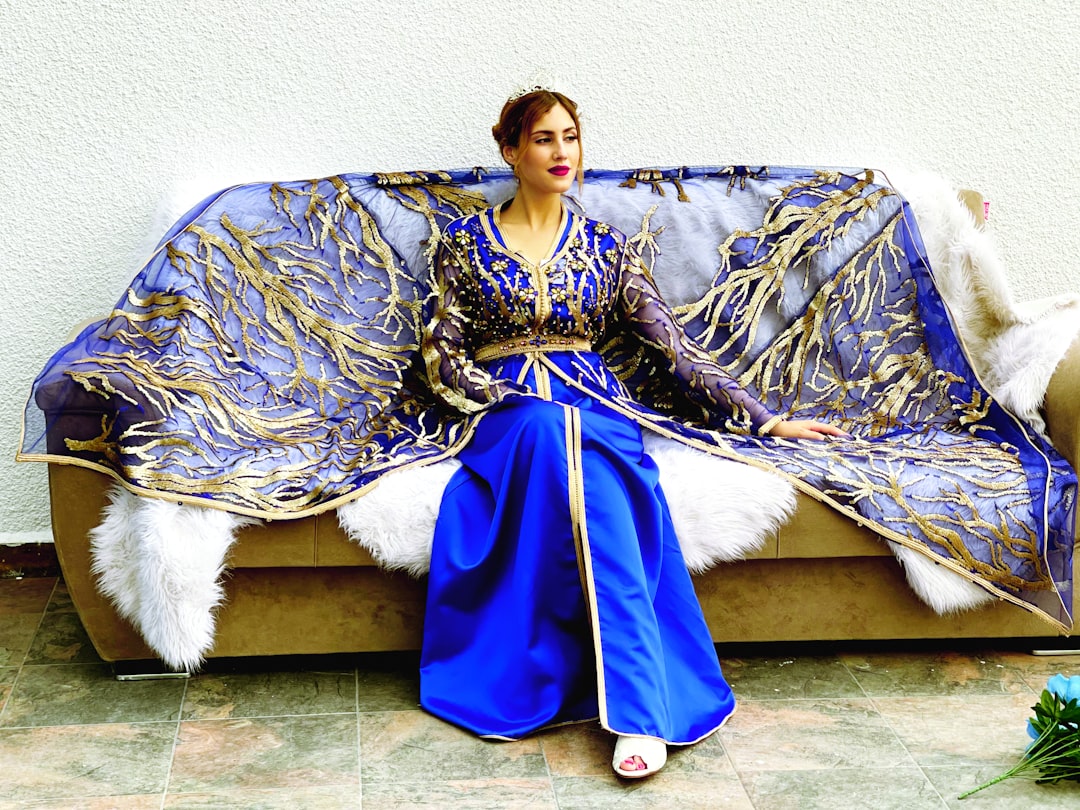
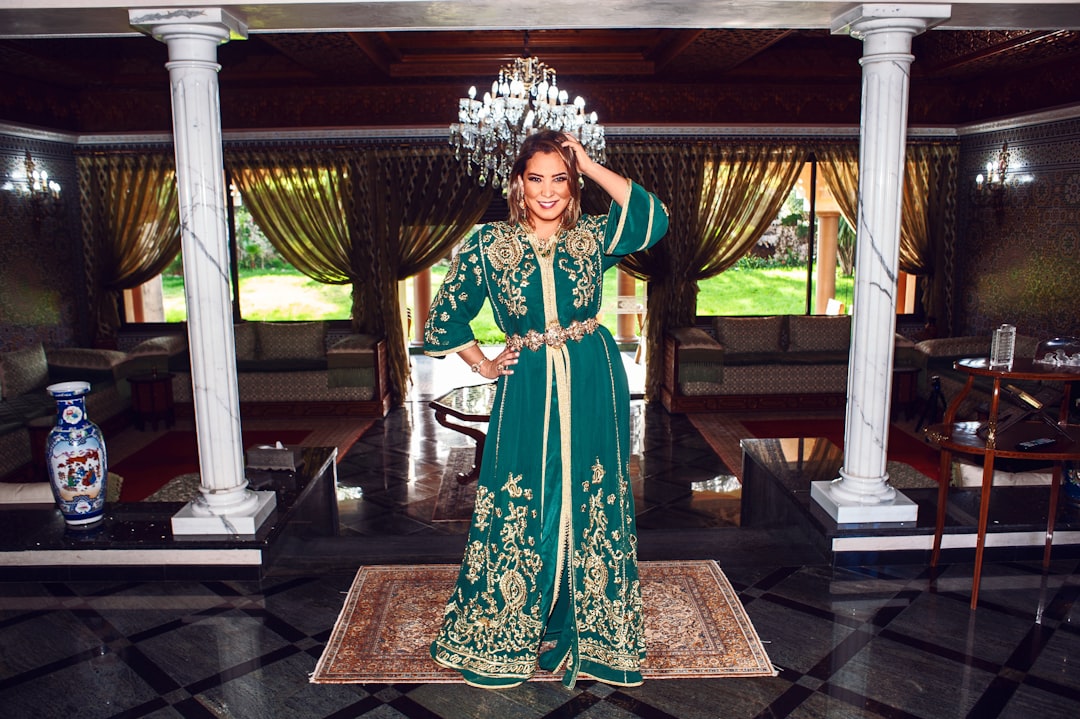
The Moroccan caftan is a symbol of identity, an artisanal legacy, and a living reflection of Morocco’s history. UNESCO formally inscribed it on the Representative List of Intangible Cultural Heritage of Humanity on December 10, 2025. That recognition changed the commercial context immediately.
The inscription registered the caftan as a living expression of Morocco’s artisanal knowledge, a tradition maintained by tailors, embroiderers, weavers, and textile finishing specialists whose skills are transmitted through family apprenticeship, craft workshops, and fashion training programs. For Moroccan designers, this is formal international validation of the raw material they work with every day.
The caftan ecosystem sustains an entire economic sector, contributing 7% to Morocco’s GDP, and supports an estimated 2.3 million artisans. That is not a heritage statistic. That is a supply chain. Designers who connect to this network access skilled labor, authentic materials, and a story that sells in Paris, Amsterdam, and Lagos.
How Moroccan designers are building modern brands from royal textile roots
Several Moroccan designers have achieved global recognition by combining the country’s rich cultural history with modern design approaches. They draw from the past, using embroidery, beading, and Moroccan textiles, while also watching international fashion trends.
Designer Kenza Bennani displays modern caftans that draw inspiration from Moroccan heritage but are designed for everyday wear. “We design modern Moroccan clothes with a focus on different origins as we are a crossroad of different civilisations historically,” Bennani explains. “And so we try to reinterpret these different cuts and different heritages in a way that is contemporary.”






Designers like Nesrine Slaoui and Amine Bendriouich have gained international attention for blending artisanal embroidery with minimalist Western silhouettes. Contemporary Moroccan designers reinterpret caftan aesthetics for international markets while maintaining signature elements such as the sfifa, aqad, and embroidery traditions as markers of authenticity. That balance between heritage and modernity is the core business model.
Expert perspective on heritage as economic strategy
The UNESCO listing of the Moroccan caftan in December 2025 is not just a cultural milestone. It is a legal and commercial tool. Designers who align their brand with formally recognized heritage gain protection against copying, access to international certification, and a credible origin story that premium buyers in Europe and the Gulf actively seek. Morocco’s artisan sector already feeds millions of livelihoods. The next step is structured investment in training, export pathways, and design education that connects traditional craft schools to fashion markets in Paris, Dubai, and Nairobi. The Fête du Trône moment, celebrated every July 30, functions as an annual brand launch for the whole sector. Entrepreneurs who treat it that way, rather than simply as a holiday, will outpace those who do not.
Industry perspective, fashion heritage and investment professionals in Morocco
Morocco as a design bridge between Europe and Africa
Marrakech is stepping into the global fashion conversation. Maroc Fashion Week 2026 positioned the city as a rising creative capital, with the April edition going beyond a traditional runway event to redefine Morocco’s place within the international fashion ecosystem.
At the heart of this revival is a clear ambition: to transform Marrakech into a dynamic hub where tradition meets modernity, and where local craftsmanship reaches an international stage. The event functions as a strategic platform connecting designers, investors, and global audiences.
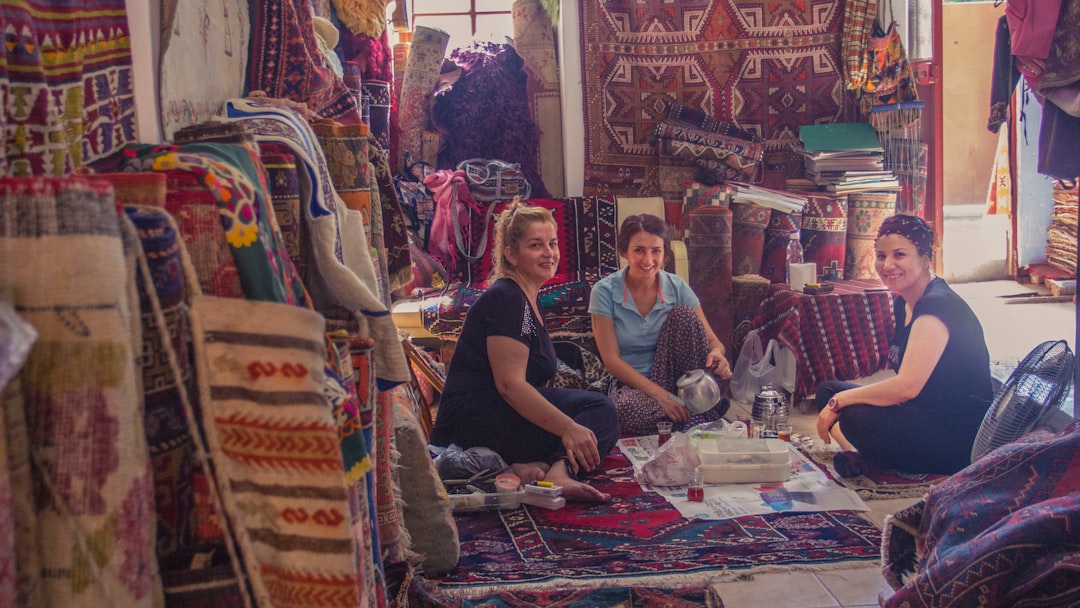
Regional embroidery traditions add depth and variety to Moroccan design. Fez produces zardozi-style silver threadwork on wedding wear. Rabat is known for passementerie, including lavish trimmings, tassels, and braids on djellabas. Tetouan produces delicate cross-stitch on linen and wool, while natural dyeing techniques using indigo, saffron, and pomegranate rind add authentic color. Each region gives designers a distinct raw material. That geographic diversity is a competitive advantage in global markets that reward specificity.
Conclusion: a clear opportunity for Moroccan designers
The Fête du Trône is one concentrated moment when Moroccan designers gain maximum cultural visibility. The caftan is a living tradition, constantly evolving, that celebrates the memory and creativity of Morocco. Entrepreneurs who treat this heritage as a business asset, not simply a cultural one, are the ones building labels with real international reach. Morocco has also launched the “Label Maroc” national initiative to protect its intangible heritage, giving Moroccan designers a formal framework to anchor their brand identity. The opportunity for Moroccan designers is direct: connect royal textile craft to modern cuts, build for export, and use July 30 as a commercial launch platform every year. The data and the recognition are already in place.
Discover more about Moroccan designers
- UNESCO Intangible Cultural Heritage: Moroccan Caftan, Art, Traditions and Skills
- Morocco World News: UNESCO Officially Adds Moroccan Caftan to World Heritage List
- Africanews: Meet the Moroccan Designer Modernising the Traditional Caftan