
CONTACT
  • Login
Upgrade
MAwebzine
Advertisement
  • Home
    • MAwebzine Readers Club
    • Affiliate Program
    • Media Kit
    • Cookie Policy
    • Terms and Conditions
    • Contact
  • Lifestyle
    • Beauty
    • Kids
    • Sustainable fashion
    • Interior Decoration
    • Gluten-Free
  • Well-being
  • Vibes
  • Culture
  • DIY
    • Woodworking
    • Gardening
    • Masonry
    • Mecanics
    • Plumbing
  • Sports
  • Food
  • Travels
  • Business
    • Horeca (CHR)
    • B2B in Morocco
    • E-books
  • World
  • Home
    • MAwebzine Readers Club
    • Affiliate Program
    • Media Kit
    • Cookie Policy
    • Terms and Conditions
    • Contact
  • Lifestyle
    • Beauty
    • Kids
    • Sustainable fashion
    • Interior Decoration
    • Gluten-Free
  • Well-being
  • Vibes
  • Culture
  • DIY
    • Woodworking
    • Gardening
    • Masonry
    • Mecanics
    • Plumbing
  • Sports
  • Food
  • Travels
  • Business
    • Horeca (CHR)
    • B2B in Morocco
    • E-books
  • World
No Result
View All Result
MAwebzine
No Result
View All Result
Home Lifestyle Culture

Discover the fascinating languages ​​and dialects spoken in Morocco

Whether you're planning a visit or simply curious about Moroccan culture, this guide will provide you with authentic insights into the linguistic tapestry of the country.

group-friends-taking-selfie-arab-restaurant-languages

Morocco’s linguistic diversity is a reflection of its rich cultural heritage. From Arabic and Amazigh to French and Spanish, the country’s languages and dialects tell the story of its history and traditions. In this article, we’ll explore the main languages and multiple dialects spoken in Morocco, offering you a deeper understanding of this North African gem.

Arabic: The Heart of Moroccan Communication

Modern Standard Arabic (MSA) is the official language of Morocco, used in government, education, and media. However, the Arabic spoken in everyday life is Moroccan Arabic, known as Darija.
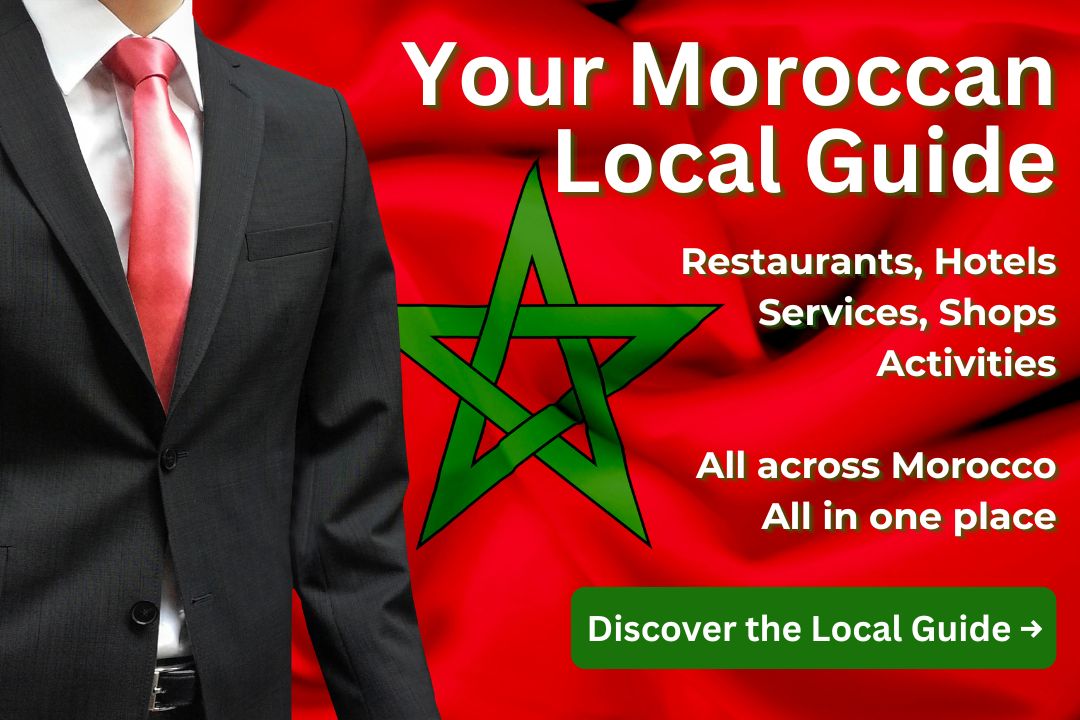
This dialect is a unique blend of Arabic, Berber, French, and Spanish influences, making it distinct from other Arabic dialects in the region. Darija is the lingua franca of Morocco, connecting people from different regions and backgrounds.

Culture

Morocco’s cultural treasures: a rich mosaic of traditions

02/01/2025

Amazigh (Berber): The Indigenous Language

Amazigh, also known as Berber, is the second official language of Morocco, recognized in the 2011 Constitution. It is the native language of the Amazigh people, who have inhabited North Africa for thousands of years. 

Since its recognition as an official language in 2011, Amazigh has gained more visibility in Morocco. It is now taught in schools, used in public signage, and featured in media and cultural programs. Efforts are being made to integrate Amazigh into all aspects of public life, ensuring its survival for future generations.

The Amazigh language, also referred to as Tamazight, is one of the oldest languages in the world, with roots dating back to at least 2000 BCE. It belongs to the Afro-Asiatic language family, which includes languages like Arabic, Hebrew, and ancient Egyptian.

The Amazigh people, often called the “free people,” have preserved their language and culture despite centuries of external influences, including Roman, Arab, and French colonization.

Amazigh is not a single dialect but a group of closely related dialects, each with its own unique characteristics. Below, we delve deeper into the origins, dialects, and written form of this ancient language.

The Three Main Amazigh Dialects in Morocco

  1. Tachelhit (or Chleuh):

    • Region: Spoken in the Souss region, the High Atlas, and the Anti-Atlas.

    • Features: Known for its rich oral poetry and music, Tachelhit is one of the most widely spoken Amazigh dialects in Morocco.

  2. Tamazight (Central Amazigh):

    • Region: Predominant in the Middle Atlas and parts of the High Atlas.

    • Features: This dialect is often considered the “standard” Amazigh dialect and is used in many educational and cultural initiatives.

  3. Tarifit (or Rifain):

    • Region: Found in the Rif region in northern Morocco.

    • Features: Tarifit has strong influences from Spanish due to the region’s historical ties with Spain.


While these dialects differ in pronunciation and vocabulary, they share a common linguistic root, reflecting the deep history and unity of the Amazigh people.

The Amazigh language is more than just a means of communication—it is a symbol of identity and resilience for the Amazigh people. Despite centuries of marginalization, the language has endured, thanks to the determination of the Amazigh community to preserve their heritage.

Today, it stands as a testament to Morocco’s rich cultural diversity and historical depth.

Moroccan tech entrepreneur working at startup office in Casablanca representing tech success stories of professionals building internationally-competitive companies contributing to Morocco Digital 2030 goals

Moroccan Tech Success: International Leaders 2025

29/12/2025

Moroccan tech success reaches unprecedented heights through professionals and entrepreneurs transforming international companies. Furthermore, tech success includes Chari reaching $100M...

Moroccan audience watching contemporary film in cinema theater representing Moroccan cinema evolution through domestic productions, celebrating North African storytelling reaching local and international viewers during winter 2025 festival season

Moroccan Cinema Evolution: Winter Films 2026

26/12/2025

Moroccan cinema transforms into powerful storytelling force celebrated through winter 2025 screenings and festivals. Furthermore, Moroccan cinema features acclaimed directors...

Moroccan small business owner consulting with accountant on year-end tax planning with financial documents and receipts, representing strategic deduction maximization and DGI compliance preparation

Year-End Tax Tips Morocco Small Business 2025

22/12/2025

Morocco's year-end tax planning helps small business owners maximizing deductions before fiscal year closes. Furthermore, year-end tax strategies include expense...

Souk negotiation Moroccan merchant smiling customer market stall

Souk Negotiation: Master Bargaining in Morocco

21/12/2025

Souk negotiation transforms your Morocco travel experience from tourist to savvy shopper. Moreover, learning the art of bargaining opens doors...

The Language of Business and Education

French is widely spoken in Morocco, a legacy of the country’s colonial past. It is the primary language of business, diplomacy, and higher education. Many Moroccans are bilingual, seamlessly switching between Darija and French in daily conversations. French is also commonly used in urban areas, making it easier for tourists and expats to navigate the country.

A Lingering Influence in the North

In the northern regions of Morocco, particularly in cities like Tangier and Tetouan, Spanish is widely spoken. This is due to the historical presence of Spain in the region during the 20th century. Many Moroccans in the north are fluent in Spanish, and it is often used in trade and cultural exchanges with Spain.

The Growing Global Connection

While not as widely spoken as Arabic, French, or Spanish, English is gaining popularity in Morocco, especially among the younger generation. It is increasingly taught in schools and universities, and many Moroccans are learning English to connect with the global community and take advantage of international opportunities.

Mecanics

The basics of auto mechanics for beginners

28/01/2025

Testimonial: A Traveler’s Experience with Moroccan Languages

“During my trip to Morocco, I was amazed by the linguistic diversity of the country. In Marrakech, I heard a mix of Darija and French, while in the Atlas Mountains, I was greeted in Tachelhit by the locals. Learning a few phrases in Darija and Amazigh made my journey even more special, as it helped me connect with the people on a deeper level. Morocco’s languages are not just a means of communication—they are a window into its rich culture and history.” – Sarah, Travel Enthusiast

Conclusion

Morocco’s languages and dialects are a testament to its vibrant cultural heritage. From the official languages of Arabic and Amazigh to the widespread use of French and Spanish, each language tells a story of the country’s past and present.

Whether you’re exploring the bustling cities or the remote villages, understanding Morocco’s linguistic landscape will enrich your experience and deepen your appreciation for this fascinating country.

So, the next time you visit Morocco, take a moment to listen to the voices around you—they are the heartbeat of a nation.

author avatar
MAwebzine
MAwebzine is a multilingual online magazine of and managed by the communications agency NOOR & NOOR, and offers a wide range of news, insights, tips, and more from Morocco. It caters to Moroccans as well as anyone with a love for Morocco.
See Full Bio
Tags: AmazighArabicBerberlanguagesTachelhitTamazightTarifit
Previous Post

Bread is essential in Morocco: 5 seasonal breads to try

Next Post

10 Gluten-Free thickeners: what they are and how to use them

Related Posts

Moroccan audience watching contemporary film in cinema theater representing Moroccan cinema evolution through domestic productions, celebrating North African storytelling reaching local and international viewers during winter 2025 festival season
Culture

Moroccan Cinema Evolution: Winter Films 2026

26/12/2025
Traditional Moroccan Arabic calligraphy art with elegant script Moroccan Calligraphy traditional art Islamic cultural heritage
Culture

Moroccan Calligraphy Awakens Modern Artists Today

26/11/2025
moroccan-married-couple
Culture

Dating in Morocco: Modern Relationships with Traditional Boundaries

08/10/2025
MAwebzine - The Art of Moroccan Small Talk
Culture

The Art of Moroccan Small Talk: 5 Simple Phrases That Make You Light Up

27/09/2025
Tbourida-Fantasia-in-Morocco MAwebzine
Culture

Fantasia (Tbourida): Moroccan Tradition or Sport?

20/08/2025
Next Post
Thickeners-gluten-free-glutenfree-morocco

10 Gluten-Free thickeners: what they are and how to use them

Comments 2

  1. ZAKTONI HASSAN says:
    3 weeks ago

    “مقال متميز يسلط الضوء على الغنى اللغوي الذي ينفرد به المغرب. إن التعايش بين الدارجة (بمزيجها الفريد) والأمازيغية (بلهجاتها الثلاث: تاشلحيت، وتمازيغت، وتاريفيت) يجسد بحق مفهوم ‘تمغربيت’ والأصالة المغربية. من الرائع رؤية الاعتراف الدستوري بالأمازيغية والجهود المبذولة لدمجها في الحياة العامة، مما يضمن استمرارية هذا الموروث العريق. شكراً لمجلة ماويب على هذا الدليل الذي يربط بين اللغة والهوية والتاريخ.”

    Reply
  2. ZAKTONI HASSAN says:
    3 weeks ago

    “تحليل موفق يبرز كيف أن التعدد اللغوي في المغرب (العربية، الأمازيغية، الفرنسية، الإسبانية، والآن الإنجليزية) هو قوة اقتصادية وثقافية ومفتاح للانفتاح على العالم. شهادة ‘سارة’ تؤكد أن التواصل لا يتم فقط بالكلمات، بل بالروابط الإنسانية التي تخلقها هذه اللغات. هذا التنوع هو ما يجعل من المغرب جسراً بين القارات ومنبعاً للإبداع. مقال ملهم يدعونا للافتخار بلغتنا وبقدرتنا على التواصل بلغات العالم بذكاء وانفتاح. عمل رائع!”

    Reply

Leave a Reply Cancel reply

Your email address will not be published. Required fields are marked *

No Result
View All Result

MAwebzine is a multilingual online magazine that offers a wide range of news, insights, tips, and more from Morocco. It caters to Moroccans as well as anyone with a love for Morocco.

Recent Post

  • Moroccan Tilework DIY: Zellige Projects

© 2025 MAwebzine by NOOR & NOOR.

Welcome Back!

Login to your account below

Forgotten Password?

Retrieve your password

Please enter your username or email address to reset your password.

Log In
Manage Consent
To provide the best experiences, we use technologies like cookies to store and/or access device information. Consenting to these technologies will allow us to process data such as browsing behavior or unique IDs on this site. Not consenting or withdrawing consent, may adversely affect certain features and functions.
Functional Always active
The technical storage or access is strictly necessary for the legitimate purpose of enabling the use of a specific service explicitly requested by the subscriber or user, or for the sole purpose of carrying out the transmission of a communication over an electronic communications network.
Preferences
The technical storage or access is necessary for the legitimate purpose of storing preferences that are not requested by the subscriber or user.
Statistics
The technical storage or access that is used exclusively for statistical purposes. The technical storage or access that is used exclusively for anonymous statistical purposes. Without a subpoena, voluntary compliance on the part of your Internet Service Provider, or additional records from a third party, information stored or retrieved for this purpose alone cannot usually be used to identify you.
Marketing
The technical storage or access is required to create user profiles to send advertising, or to track the user on a website or across several websites for similar marketing purposes.
  • Manage options
  • Manage services
  • Manage {vendor_count} vendors
  • Read more about these purposes
View preferences
  • {title}
  • {title}
  • {title}
No Result
View All Result
  • Home
    • MAwebzine Readers Club
    • Affiliate Program
    • Media Kit
    • Cookie Policy
    • Terms and Conditions
    • Contact
  • Lifestyle
    • Beauty
    • Kids
    • Sustainable fashion
    • Interior Decoration
    • Gluten-Free
  • Well-being
  • Vibes
  • Culture
  • DIY
    • Woodworking
    • Gardening
    • Masonry
    • Mecanics
    • Plumbing
  • Sports
  • Food
  • Travels
  • Business
    • Horeca (CHR)
    • B2B in Morocco
    • E-books
  • World

© 2025 MAwebzine by NOOR & NOOR.

MAwebzine Readers Club

Join the MAwebzine Readers Club!

Read and comment on our blogs, collect Stars and receive gifts from our partners. 

More Info
Register
Log In
Are you sure want to unlock this post?
Unlock left : 0
Are you sure want to cancel subscription?
Verified by MonsterInsights