

The Water Crisis in Morocco
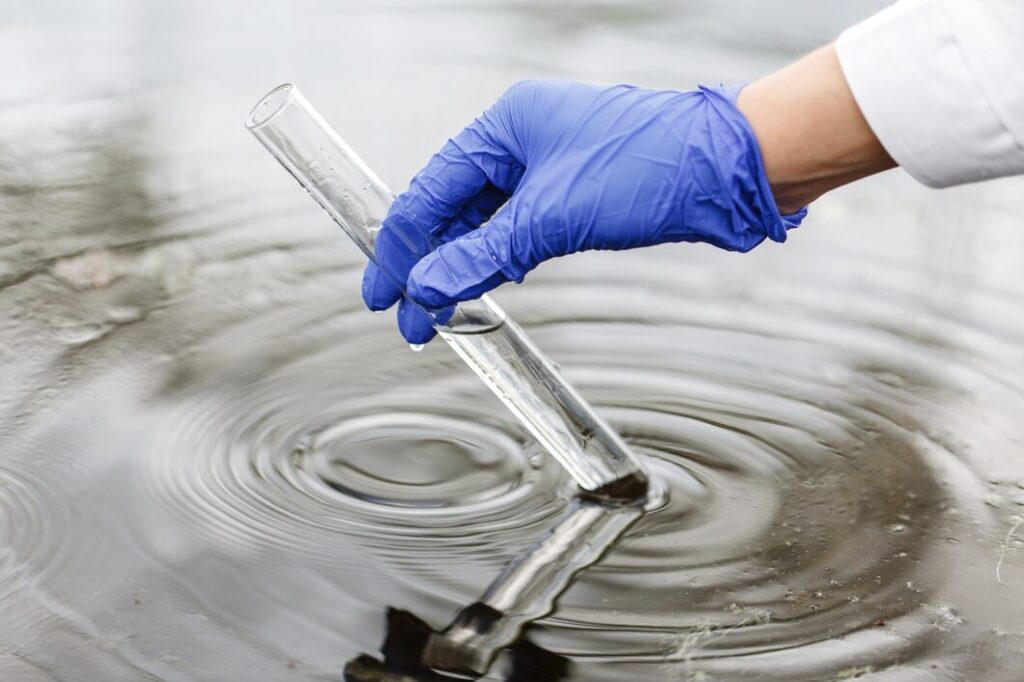
Over the past decade, Morocco has witnessed significant declines in its freshwater resources. Rainfall patterns have become increasingly erratic, and reservoirs are drying up at an alarming rate. The situation is exacerbated by the overextraction of groundwater and pollution of surface water, which leave many regions with insufficient and poor-quality water supplies.

Agriculture, which accounts for nearly 87% of the country’s water consumption, is particularly vulnerable. The water-intensive farming of crops such as citrus fruits and olives, vital to the Moroccan economy, is now under threat. Urban centers, too, are feeling the impact, with growing populations straining the capacity of municipal water systems.
In some cities, water rationing has already become a harsh reality. Given these challenges, Morocco’s government has recognized the urgent need for alternative solutions to secure the nation’s water future.

Ongoing and Planned Projects
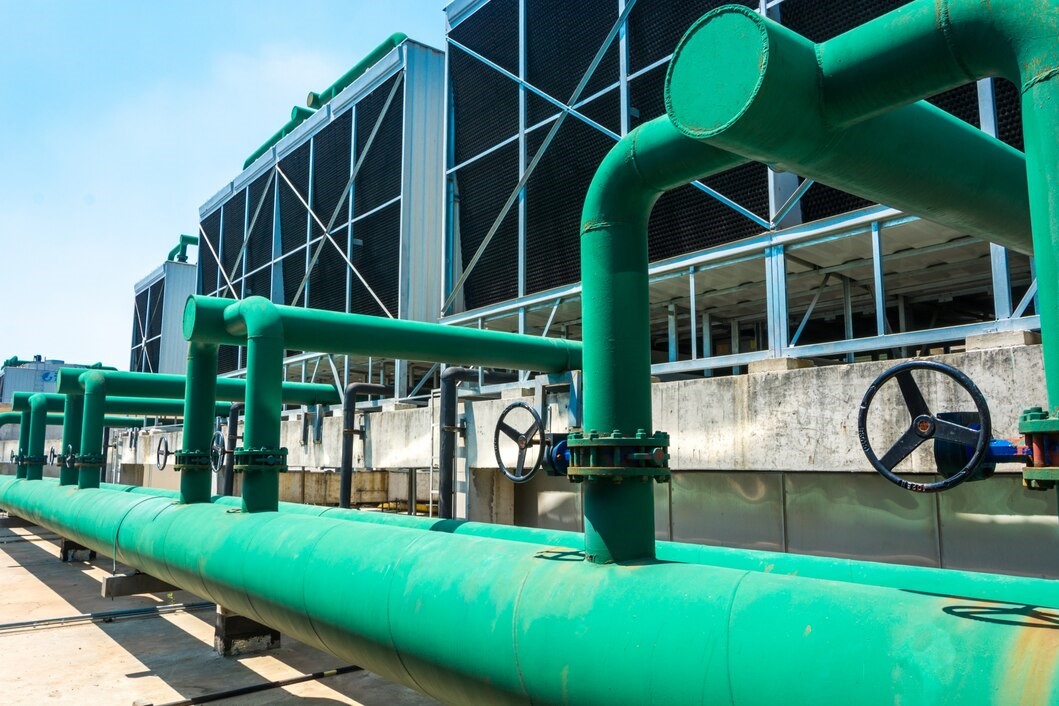
Morocco has already made significant strides in implementing desalination projects. The largest operational plant is located in Agadir, a coastal city heavily reliant on agriculture. This facility, powered by a combination of grid electricity and renewable energy, has a production capacity of 275,000 cubic meters per day, serving both agricultural and urban needs. Plans are underway to expand its capacity to 400,000 cubic meters per day.





Another flagship project is the upcoming desalination plant in Casablanca, which aims to be one of the largest in Africa. With a projected capacity of 548,000 cubic meters per day, the plant will address the water demands of the city’s growing population and industries. Additionally, smaller desalination plants are being developed in regions like Dakhla and Laâyoune, where freshwater resources are particularly scarce.







مقال متميز يبرز الرؤية الاستباقية للمغرب في مواجهة الإجهاد المائي. إن التوجه نحو تحلية مياه البحر باستخدام تقنية ‘التناضح العكسي’ وربطها بالطاقات المتجددة هو ضربة معلم تضمن السيادة المائية لبلادنا مع الحفاظ على التوازنات البيئية. مشاريع ضخمة مثل محطة أكادير ومحطة الدار البيضاء المستقبلية ستكون صمام أمان للفلاحة ولتزويد الساكنة بالماء الشروب. شكراً لمجلة ماويب على تبسيط هذا الملف الاستراتيجي.
“تحليل موفق جداً يظهر كيف يحول المغرب تحدي الندرة إلى فرصة للتنمية. الاعتماد على الابتكار في تدليل العقبات التقنية والمالية لمحطات التحلية يجعل من المغرب نموذجاً يحتذى به للدول التي تعاني من المناخ الجاف. من المهم جداً استيعاب أن هذه التكنولوجيا ليست ترفاً بل ضرورة حتمية لتأمين مستقبل الأجيال القادمة. مقال غني بالمعلومات يبعث على الثقة في القدرات الوطنية لمواجهة التغيرات المناخية.”
أحيانًا يعلّمنا العطش قيمة كل قطرة ماء. 💧
تحلية مياه البحر ليست فقط مشروعًا تقنيًا، بل رسالة أمل في مواجهة الجفاف.
حين تتعاون التكنولوجيا مع الطبيعة يمكن أن نصنع مستقبلًا أكثر أمانًا.
المهم أن نتذكر دائمًا أن الماء نعمة يجب الحفاظ عليها قبل البحث عن بدائل لها. 🌍💙